
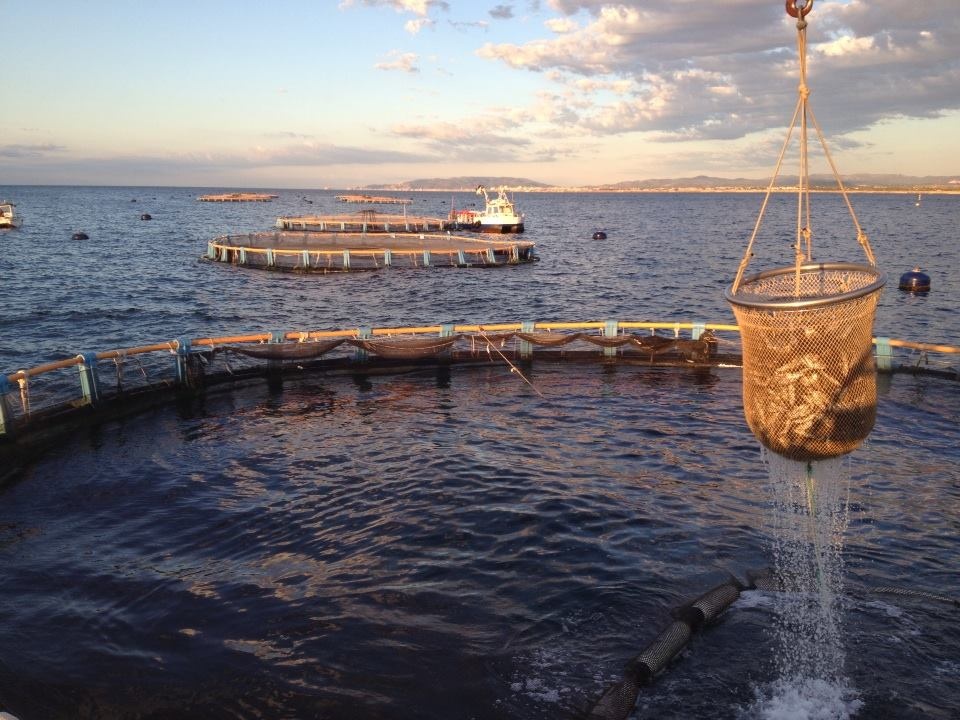
Farmed fish welfare is emerging as one of the major regulatory debates facing European aquaculture in the coming years. A synthesis report published by the European Commission’s Directorate-General of Health and Food Safety (DG-SANTE), following a two-year project carried out between 2023 and 2024, concludes that fish welfare protection varies significantly between countries, with limited regulatory harmonisation and restricted official controls, particularly on farms and at slaughter.
The Commission considers that welfare mechanisms in aquaculture are less developed than those applied to other livestock sectors and sees considerable scope for improving monitoring, verifiable indicators, training and the implementation of good practices.
The report pays particular attention to species of major importance for Mediterranean aquaculture, including gilthead seabream (Sparus aurata), European seabass (Dicentrarchus labrax) and rainbow trout (Oncorhynchus mykiss). It also reviews experiences and welfare initiatives developed in Spain, Greece, Finland, Denmark, Germany and Norway.
However, the publication has prompted an immediate response from the Federation of European Aquaculture Producers (FEAP), which shares the objective of improving animal welfare but believes that some of the report’s conclusions do not fully reflect the biological and operational complexity of European aquaculture.
| Topic | What the DG SANTE report says | What FEAP argues | misPeces' editorial perspective |
|---|---|---|---|
| Legislation | Most countries do not have specific legislation on fish welfare. | New obligations should be introduced only once reliable and verifiable indicators are available. | The Commission sees a regulatory gap; FEAP sees a risk of premature regulation. |
| Official controls | Farm and slaughter inspections remain limited, inconsistent and often ineffective. | The issue is not only current practices, but also the lack of methods to properly document welfare outcomes. | This is where both sides could converge: practical and measurable indicators are needed. |
| Species diversity | Recognises that European aquaculture includes a wide range of species, production systems and environments. | Argues that this diversity is not sufficiently reflected in the report’s conclusions. | Future rules will need to avoid one-size-fits-all requirements. |
| Stunning and slaughter | Questions practices such as ice-water immersion and highlights electrical stunning initiatives. | Warns that electrical stunning does not work equally across all species, sizes and farming systems. | This is the most sensitive issue for seabream, seabass and trout producers. |
| Operational feasibility | Acknowledges technological, logistical and economic challenges in implementing welfare measures. | Highlights that many slaughter operations take place on farms, vessels or open-air sites rather than dedicated slaughterhouses. | Future regulation must be both ambitious and practical. |
| Mediterranean systems | Examines species and production systems relevant to Spain and Greece, including seabream, seabass and trout. | Calls for greater recognition of traditional coastal lagoons and brackish-water systems in Spain, Italy and Greece. | This is the most relevant Mediterranean angle for producers and policymakers. |
A debate that goes beyond slaughter
One of the report’s most significant messages is that animal welfare should no longer be viewed solely through the lens of slaughter practices but should instead encompass the entire production cycle.
The Commission identifies shortcomings in the definition of objective welfare indicators, data collection and the integration of welfare considerations into day-to-day farm management.
Today, most fish farms monitor parameters such as mortality, water temperature, dissolved oxygen and feeding behaviour to assess production performance. However, these indicators are not always interpreted from a specific animal welfare perspective.
For this reason, the Commission advocates the development of more structured assessment systems, harmonised welfare indicators and enhanced training for inspectors and farm operators. Ita also supports wider use of digital tools and continuous monitoring technologies.
The stunning challenge for seabream and seabass
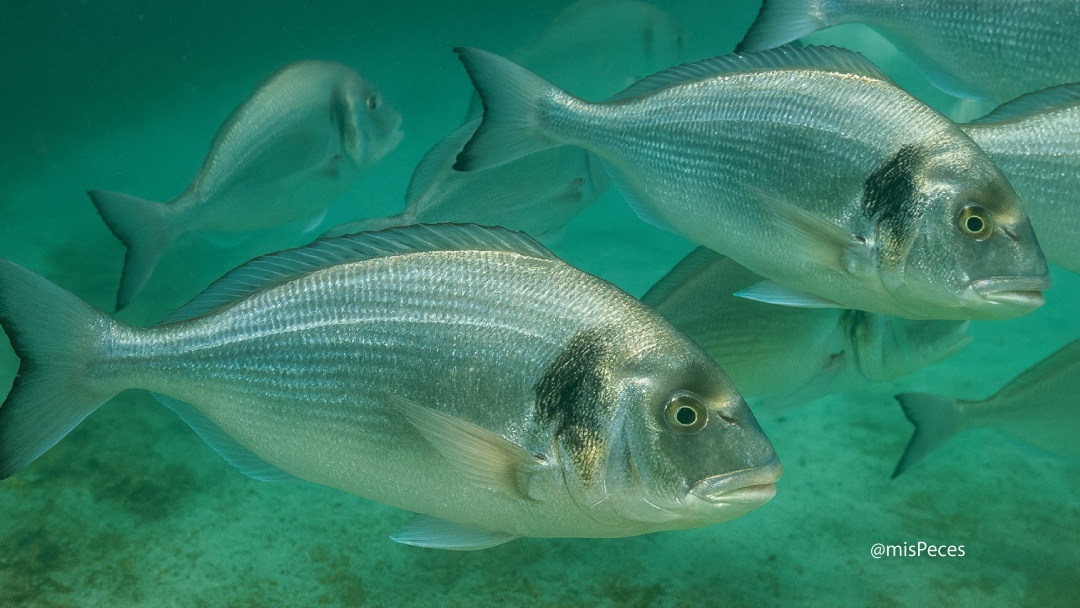
For much of Mediterranean aquaculture, slaughter remains the most sensitive issue.
The report notes that some farms still rely on methods involving immersion in ice-water mixtures, a practice questioned by numerous scientific studies because of the time that may elapse before fish lose consciousness. It also highlights pilot projects in Spain and Greece aimed at introducing electrical stunning systems for gilthead seabream and European seabass.
FEAP does not reject these technologies. However, it argues that significant knowledge gaps remain regarding the appropriate parameters for different species, fish sizes and farming conditions.
The organisation warns that a stunning system that performs effectively in salmon or trout cannot automatically be transferred to other species farmed in the Mediterranean.
Javier Ojeda, Secretary General of FEAP, states that welfare improvements “must be practical, achievable and proportionate”, warning that legislation which ignores the operational realities of fish farms “will not improve fish welfare”, but could instead drive production outside the European Union.
The Mediterranean calls for its own approach
Another key point raised by FEAP is the need to recognise the diversity of European production systems.
The organisation argues that coastal lagoons and brackish-water estuaries traditionally used in Spain, Italy and Greece represent a distinct production reality that should be better reflected in future regulatory developments.
According to FEAP, these systems form part of Europe’s aquaculture heritage and operate under environmental and management conditions that differ significantly from marine cage farming or intensive inland production systems.
Towards regulation based on verifiable indicators
Despite their different perspectives, both the Commission and fish producers agree that animal welfare will play a increasingly important role in European aquaculture.
DG SANTE itself acknowledges that significant scientific gaps remain, that consensus is lacking on certain indicators and that difficulties still exist when interpreting signs of welfare or suffering in many fish species. At the same time, it argues that more consistent standards and more effective control systems are needed.
The central question therefore no longer appears to be whether European aquaculture will face stricter welfare requirements, but rather how those requirements can be designed so that they are scientifically robust, technically feasible and compatible with the diversity of species and production systems that characterise the sector.

Latest news
-
Genetics could help select Senegalese sole with improved morphology before breeding starts
Vigo, 9 June 2026 | Marker-assisted selection could help reduce commercial downgrading in Senegalese sole, where 10% to 15% of fish may fall outside the expected body shape
-
EU enters a new phase in fish welfare as the sector calls for practical indicators before new obligations
Brussels, 9 June 2026 | FEAP supports the goal of improving animal welfare but argues that some conclusions do not sufficiently reflect the biological and operational complexity of the sector
-
Türkiye consolidates its aquaculture leadership with 626,000 tonnes in 2025
Ankara, 8 June 2026 | Total fisheries production reached 1.02 million tonnes in 2025, with more than 626,000 tonnes coming from aquaculture, driven mainly by trout, European seabass and gilthead seabream