
Caffeic acid, a naturally occurring plant polyphenol, is gaining attention as a promising alternative to conventional feed additives in aquaculture, thanks to its antioxidant, antimicrobial, and immune-boosting properties.
An international team of researchers from institutions including the University of Arizona (USA), Chiang Mai University (Thailand), and the National Taiwan Ocean University (Taiwan) has reviewed the evidence, publishing their findings in the open-access journal Biology (MDPI) in September 2025. Their comprehensive analysis suggests that caffeic acid could help fish farmers improve animal health and productivity while reducing reliance on antibiotics—a major challenge in the face of growing antimicrobial resistance.
The review synthesizes results across a range of aquatic species, highlighting how caffeic acid can enhance growth, strengthen immune responses, reduce inflammation, and improve survival rates under pathogenic stress. Beyond fish health, the authors argue that such benefits could support a more resilient and environmentally sustainable aquaculture industry.
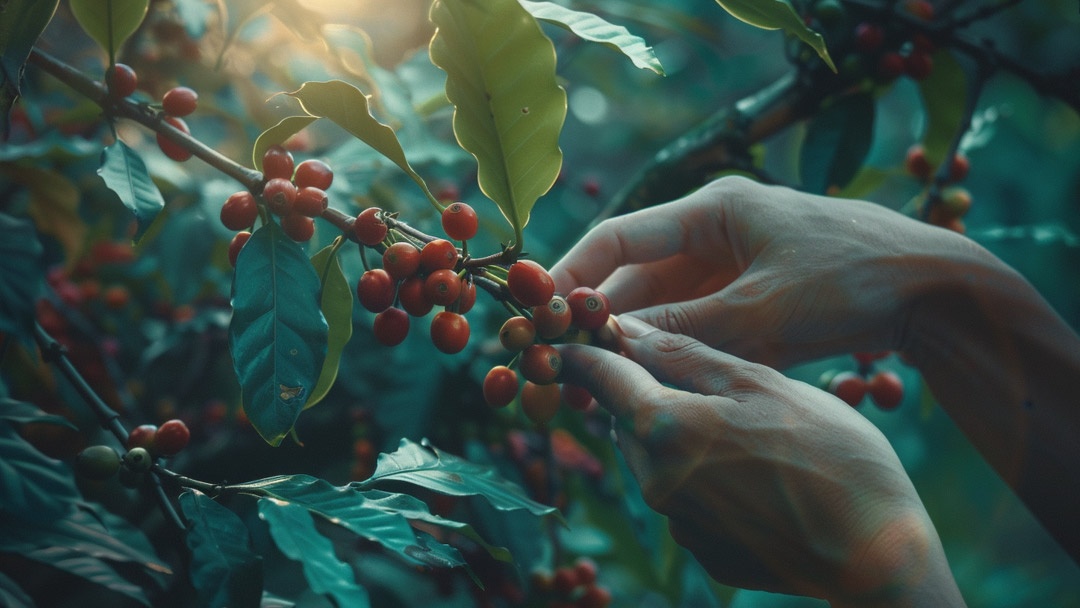
Caffeic acid is widely found in fruits, vegetables, and herbs, but one of its richest and most practical sources comes from coffee by-products, such as husks, pulp, and spent coffee grounds. These residues, produced in large volumes by the coffee industry, are inexpensive and abundant, making them especially attractive for large-scale extraction.
With countries like Brazil and Vietnam leading global coffee production, millions of tons of such by-products are generated every year, representing a vast untapped resource for sustainable aquafeed solutions.
But the story doesn’t end with caffeic acid alone. The researchers point to its derivatives—such as chlorogenic acid, rosmarinic acid, and caffeic acid phenethyl ester—which also show strong antioxidant, anti-inflammatory, and immunomodulatory activities. These compounds could further broaden the toolkit for sustainable fish nutrition.
Still, challenges remain. The review stresses the need for more research on optimal dosing strategies, species-specific responses, and the compound’s impact on gut microbiota. Economic feasibility is also a key factor. Encouragingly, caffeic acid can be extracted from low-cost plant-based by-products and appears effective at low inclusion rates, suggesting it could become a cost-efficient solution for commercial-scale farming.
As aquaculture continues to expand as the world’s fastest-growing food sector, the search for safe, sustainable alternatives to antibiotics has never been more urgent. While more studies are needed to move from laboratory findings to large-scale applications, caffeic acid and its derivatives may offer a natural pathway to a healthier and more sustainable future for global fish farming.
Editor's note: Why this study is important?
Although caffeic acid is not currently authorised as a feed additive for fish in either the European Union or the United States, its study remain particularly relevant. Scientific research is the first step towards enabling natural compounds present in agricultural by-products - such as coffee residues- to potentially become viable alternatives to antibiotics in the future.
Exploring these possibilities not only paves the way for new regulatory applications but also drives innovation in the use of agro-industrial waste within a circular and sustainable economy model.
Related

Latest In-depth
-

Bacteriohages in aquaculture: What should we know?
Phage therapy – a natural alternative to antibiotics – is gaining ground in aquaculture