
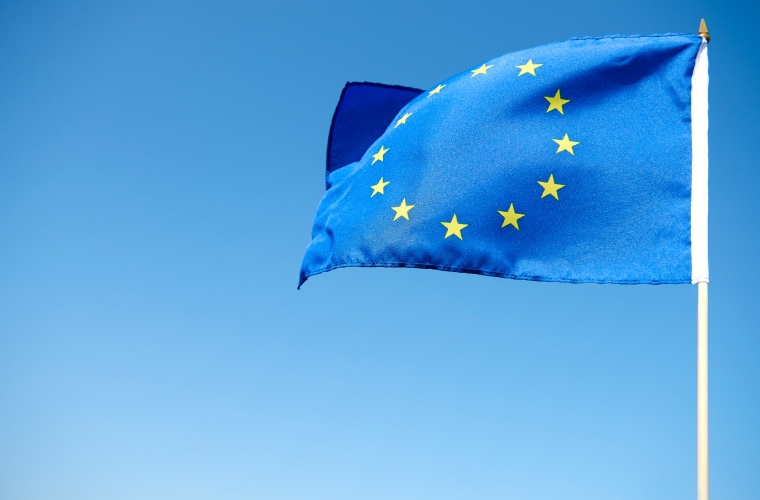
For more than a decade, the European Union has repeated the same diagnosis: it needs to produce more fish and seafood if it wants to strengthen food security, reduce external dependency and meet its environmental commitments. Yet results have failed to match the rhetoric. European aquaculture production remains largely stagnant, while imports of fishery and aquaculture products from third countries continue to rise.
A new European Parliament report puts figures and context behind this structural contradiction – and points to a deeper issue that goes beyond farm-level competitiveness: the EU imposes high environmental and social standards on its own producers, but does not apply then with the same intensity to imported products.
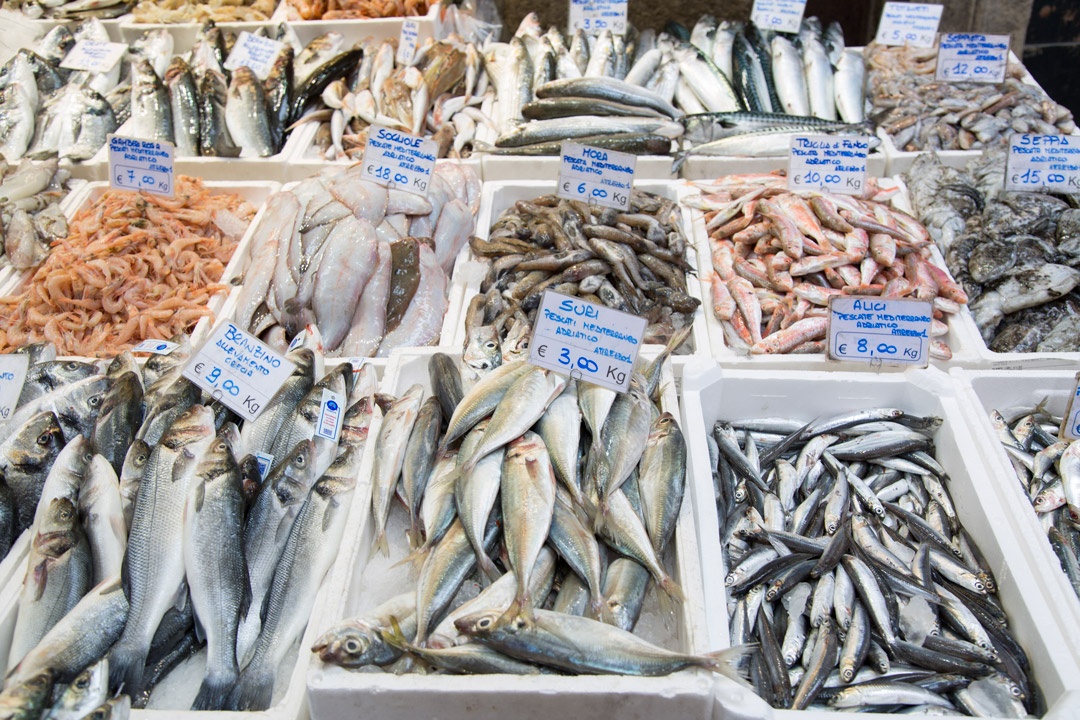
According to the study, the EU already relies on extra-EU imports for more than 70% of its fish and seafood consumption. In key species for the European market – such as European seabass, gilthead seabream and mussels – imports from countries like Türkiye and Chile compete directly with EU production in both price and volume.
An uneven regulatory playing field
The problem is not simply that third countries benefit from lower production costs, but that they operate under an asymmetric regulatory framework. While European producers face strict environmental, labour and traceability requirements, many of these obligations are not effectively transferred to imported products.
The case of Turkish seabass and seabream is illustrative. The report compares costs and prices and concludes that even when production efficiency is comparable, EU producers remain at a disadvantage due to higher labour costs, stricter environmental requirements and longer, more complex administrative procedures.
Yet the EU lacks sufficiently developed market tools to make these differences visible to consumers. Current marketing standards focus on size and freshness, but do not incorporate environmental or social criteria, preventing Europe’s higher regulatory burden from translating into market value.
Labelling and traceability are a missing link. The report identifies a major gap in EU policy: the absence of a labelling system that clearly informs consumers about production standards.
Although the recent revision of the Fisheries Control Regulation and the mandatory use of the digital CATCH system from 2026 will improve administrative traceability, the Parliament itself acknowledges that this information does not reach the final consumer in a clear and accessible way.
The result is a market in which European products compete on the surface on equal terms with imports produced under very different conditions.
Innovation cannot be used as a substitute for difficult trade policy decisions
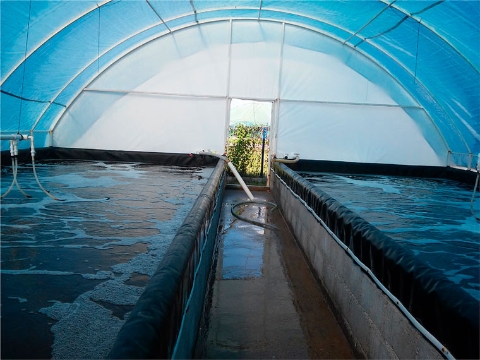
The report devotes a specific chapter to innovation – offshore production, RAS systems and new technologies – and recognises their potential to strengthen Europe’s productive autonomy. However, it introduces an unusual caveat for this type of policy document: innovation cannot be used as a substitute for difficult trade policy decisions.
Moving mussels’ production offshore or scaling up RAS may improve resilience, but it will not, on its own, correct a competitive imbalance rooted in unequal standards.
The report ultimately argues that the EU falls into incoherence by simultaneously promoting a high-standard aquaculture model, maintaining a strong dependence on low-cost imports, and pursuing a trade policy without effective corrective mechanisms.
Without genuine alignment between food, environmental and trade policies, self-sufficiency will remain a theoretical ambition rather than an achievable objective.
For this reason, the Parliament calls for progress towards sustainability criteria applicable to imports, market standards that reflect production conditions, and a coordinated, long-term investment strategy.
The question that remains unanswered is a political one: is the EU prepared to face the political and commercial consequences of real policy coherence?
Related


Latest news
-
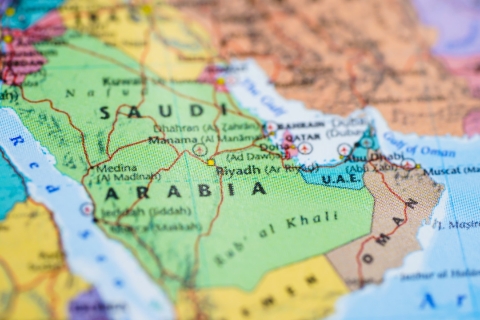
Military escalation in the Middle East could affect aquaculture and RAS projects involving European technology
Middle East, 13 March 2026 |
-
-

EVENTS
-
21AprTue, 21 Apr - Fri, 24 AprGran Via - Fira Barcelona - Barcelona