
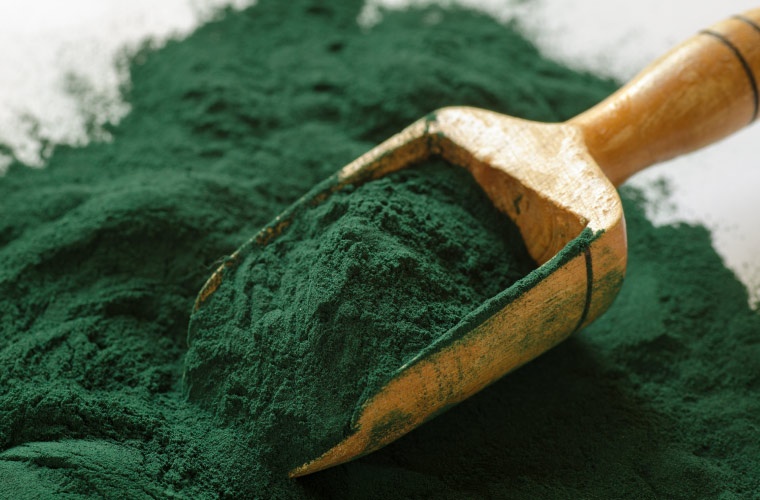
For many years, Arthrospira platensis, commonly known as spirulina, has been one of the most widely studied microalgae as an alternative ingredient in aquaculture. Its high protein content, the presence of bioactive compounds and its association with sustainability narratives have positioned it as an attractive option, particularly in the formulation of diets for high-value species such as gilthead seabream (Sparus aurata).
However, after numerous experimental trials, scientific publications and pilot formulations, the debate no longer resolves around whether Arthrospira “works” or not. The relevant question today is how, when and for what purposes it can deliver real value in production systems that are increasingly constrained both technically and economically.
In the specific case of gilthead seabream, the most recent studies agree that Arthrospira can be used as a partial substitute for fishmeal without compromising productive performance, provided that certain key parameters are respected.
Beyond its protein contribution, spirulina has been shown to exert functional effects on the digestive tract of fish. Its inclusion in feed, even at moderate levels, modulates the intestinal microbiota, reducing the relative abundance of potentially undesirable bacteria while favouring genera associated with beneficial digestive functions.
Positive effects have also been reported on parameters such as pigmentation, immune response and resistance to oxidative stress, although these effects are neither universal nor guaranteed.
In gilthead seabream, the best results have been obtained with low inclusion levels (1-5%) and in a processed form, such as dehydrated or enzymatically hydrolysed spirulina. This type of processing improves digestibility and minimises potential negative effects on microbial diversity.
Despite its multiple virtues, the accumulated evidence shows that the benefits of spirulina are not automatic nor applicable to all contexts. Its effects depend on variables such as the form of presentation, the dose, the stage of the production cycle and the specific objective of inclusion.
Inclusion levels above 5%, particularly when spirulina is used in its raw form, may lead to neutral or even adverse effects. Moreover, changes observe in the intestinal microbiota do not necessarily translate into improved health or immune status, and there is no conclusive evidence of long-term benefits under commercial farming conditions.
A costly ingredient, but one with strategic potential when used with precision
From an economic perspective, spirulina is an expensive ingredient when compared with conventional protein sources as fishmeal, concentrated soya products or processed plant meals. Its price per tonne can be five or ten times higher, depending on the type of processing and its origin.
This means that its use as a base protein ingredient is not economically viable in standard seabream feeds. Nevertheless, the strategic inclusion of spirulina can be justified in specific contexts, particularly when used as a functional ingredient during critical phases of production, such as early feeding or dietary transitions. It may also add value in high-end diets, including premium, organic or functional product lines.
In addition, its role as a facilitator in reducing marine ingredients without compromising performance reinforces its interest in formulations aimed at improving sustainability without loss efficiency.
Profitability, therefore, does not stem from a direct increase in growth, but rather from avoiding losses or complications during sensitive phases of the production cycle. When its use is linked to a clear technical benefit – such as improved digestion, intestinal maturation or microbiota stability – and recommended inclusion levels are respected, spirulina can play a strategic role.
The real value of spirulina, therefore, lies not in what it promises, but in what it enables: it is a stable, functional and low-risk ingredient, useful as support during critical phases. Rather than acting as a direct growth enhancer, its main utility is in facilitating nutritional transition or improving intestinal stability without negative side effects.
Finally, it is important to recall that Arthrospira is not a probiotic, does not replace health management or husbandry strategies, and does not guarantee productive improvements on its own. Its inclusion should be moderate, strategically justified and adapted to real production conditions.
Future research on Arthrospira should not focus solely on confirming its effects, but on clearly defining its functionality, safety, cost-effectiveness and optimal conditions of use. This will allow a shift from an exploratory approach to a truly strategic use of spirulina in gilthead seabream nutrition.
Related


Latest news
-
Early copepod feeding improves structural quality in gilthead seabream larvae
Greece, 2 March 2026 | Acartia tonsa feeding may enhance nutrient digestion and absorption during the sensitive transition to Artemia and weaning diets
-

Aquanaria considers early closure in Canary Island, highlighting coastal use conflicts
Gran Canaria, Spain, 2 March 2026 | The installation was originally scheduled to close in 2027
-

EVENTS
-
21AprTue, 21 Apr - Fri, 24 AprGran Via - Fira Barcelona - Barcelona