
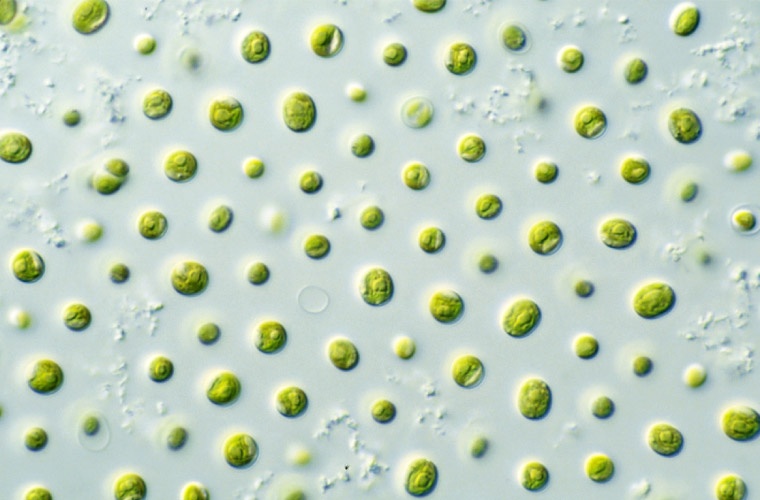
Researchers from Universiti Putra Malaysia have demonstrated that a genetically modified microalga can act as a delivery vehicle for oral vaccines in fish, a strategy that could simplify the prevention of bacterial disease in aquaculture.
The study, published in the World Journal of Microbiology and Biotechnology, describes how the microalga Nannochloropsis was engineered to produce an antigenic protein from Vibrio harveyi, one of the bacterial pathogens responsible for vibriosis outbreaks in many marine farmed species.
Vibriosis is one of the most widespread bacterial diseases in global aquaculture, affecting both fish and crustaceans and causing significant economic losses. Infected animals may develop haemorrhagic septicaemia, skin lesions and high mortality rates, and the disease is estimated to cause losses exceeding one billion US dollars annually.
Current vaccines against marine bacterial pathogens are often administered through individual injections. This process requires handling each fish, generates stress and limits vaccination in small juveniles.
The approach proposed by the researchers aims to overcome these constraints by using microalgae as a platform for both the production and delivery of vaccine antigens.
In the study, scientists introduced into Nannochloropsis the gene enconding the OmpK protein from Vibrio harveyi. The modified microalgae were then incorporated into feed, creating an oral vaccination system.
To assess its efficacy, the team conducted trials using zebrafish (Danio rerio), a widely used model organism in fish immunology research. Fish were fed a diet containing 10% biomass of the transgenic microalga.
After the vaccination period, the fish were experimentally challenged with Vibrio harveyi. The results showed that fish receiving the modified microalgae achieved survival rates close to 90%, compared with around 36% in the control group fed a conventional diet.
Immunological analyses also revealed a significant activation of genes associated with immune responses, including mucosal vaccine immunoglobulins and inflammatory cytokines.
The authors highlight that this system allows the antigen to be directly incorporated into the feed, potentially simplifying vaccine production and administration in aquaculture.
According to the researchers, using microalgae as a vaccine carrier could facilitate the mass immunisation of juvenile fish and reduce reliance on antibiotics for bacterial disease control.
Although the study was conducted using an experimental model species, the authors note that future research should focus on testing the technology in commercially important species such as seabass or grouper under real farming conditions.
If validated, microalgae-based vaccines could become a new biotechnological platform for oral vaccination in aquaculture.

Latest news
-

How the next EU budget could reshape funding for aquaculture
Brussels, 10 March 2026 | Many activities currently financed through the EMFAF could be integrated into broader EU funding instruments and national investment plans managed by Member States
-
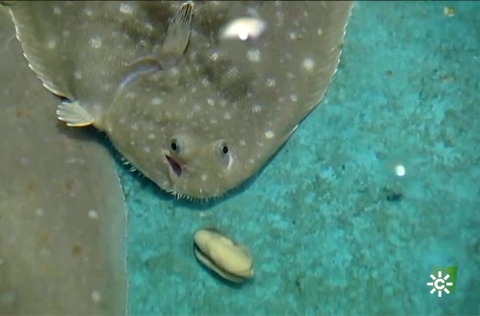
Artificial Intelligence enables hormone-free fertilisation of Senegalese sole
La Ràpita, Tarragona, Spain, 10 March 2026 | A computer-vision system predicts broodstock ovulation with around 85% accuracy
-
A microalga turned into an oral vaccine protects fish against Vibrio
Malaysia, 10 March 2026 | The team conducted trials using zebrafish (Danio rerio), a widely used model organism in fish immunology research