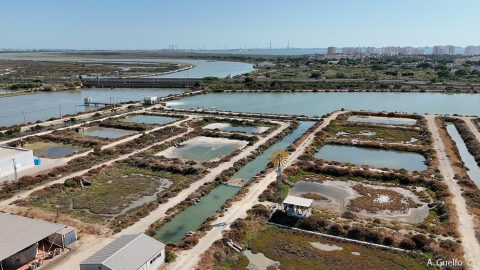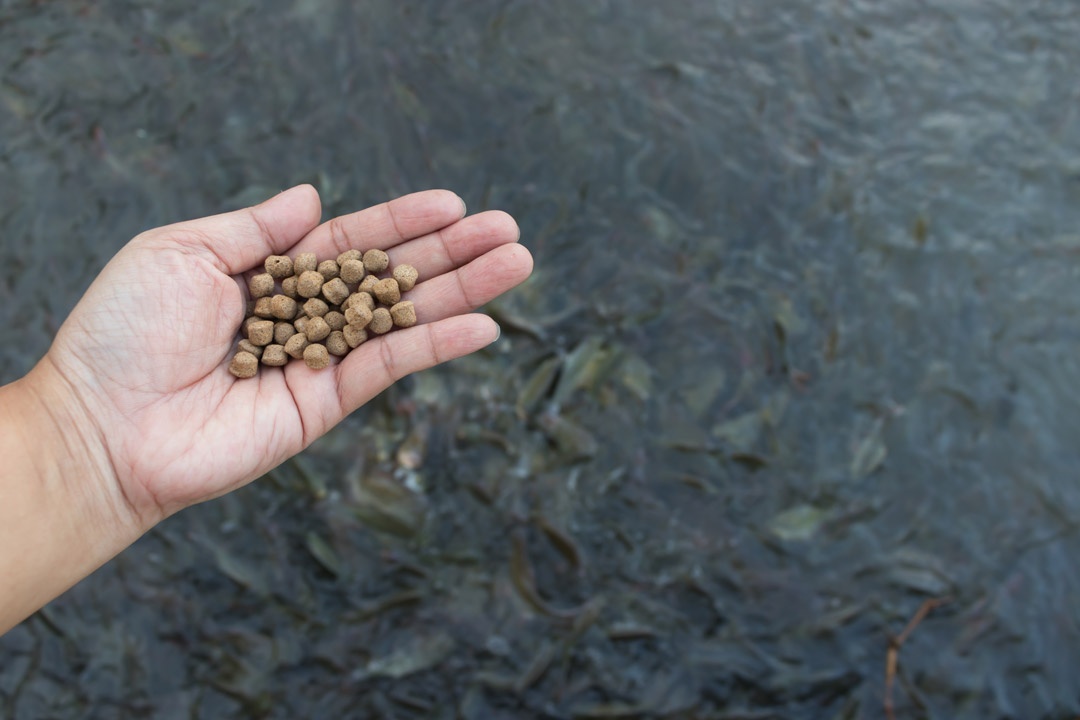
Scientific evidence increasingly supports the use of functional feed supplements to sustain productive performance in farmed fish under intensive conditions. While these additives do not replace sound management practices, they can mitigate the physiological stress response associated with high stocking densities.
A review published in Annals of Animal Science reports that species including common carp, tilapia, turbot and Atlantic salmon show reduced cortisol and blood glucose levels — key biomarkers of chronic stress — when specific dietary supplements are incorporated into feed under crowded conditions.
Prolonged crowding disrupts endocrine and immune balance. Elevated cortisol redirects energy away from growth toward stress adaptation, leading to reduced growth rates, diminished antioxidant capacity and higher disease susceptibility. Once density thresholds are exceeded, size uniformity and overall production efficiency also decline.
The implications extend beyond biology. Chronic stress negatively affects feed conversion, increases batch variability and raises health management costs — factors that can significantly erode margins in intensive systems.
The review highlights consistent findings across several categories of functional additives. Plant-derived phytobiotics such as rosemary (Rosmarinus officinalis), oak leaf (Quercus castaneifolia), stinging nettle (Urtica dioica), rhubarb (Rheum officinale), pomegranate peel and lemon peel extracts have been shown to lower cortisol and enhance antioxidant defences. These compounds are associated with improved immune performance and reduced oxidative stress in species including common carp and rainbow trout.
Probiotics such as Shewanella putrefaciens (Pdp11 strain), Lactobacillus acidophilus and other lactic acid bacteria have demonstrated the ability to modulate gut microbiota and strengthen immune responses under high-density conditions. Synergistic effects have also been observed when probiotics are combined with bioactive compounds such as resveratrol.
In addition, synthetic immune stimulants and bioactive additives — including gallic acid, β-glucans, astaxanthin-rich yeast extracts (Xanthophyllomyces dendrorhous), chrysin and nano-selenium combined with garlic extract — have reduced oxidative stress markers and supported growth stability during crowding stress.
The authors emphasise that these supplements cannot compensate for excessive stocking densities or poor water quality. Rather, they function as physiological buffers when intensification is unavoidable.
For producers, the message is practical: functional feed can help protect margins in intensive production systems. As antibiotic use declines and welfare standards tighten, diet formulation is becoming a strategic management tool. The priority now is not proof of efficacy, but optimisation — aligning species, dosage and return on investment within each farming model.

Latest news
-
-

Governance, not just budget: defence of the EMFAF aligns with European auditor’s warnings
Brussels, 25 February 2026 |
-