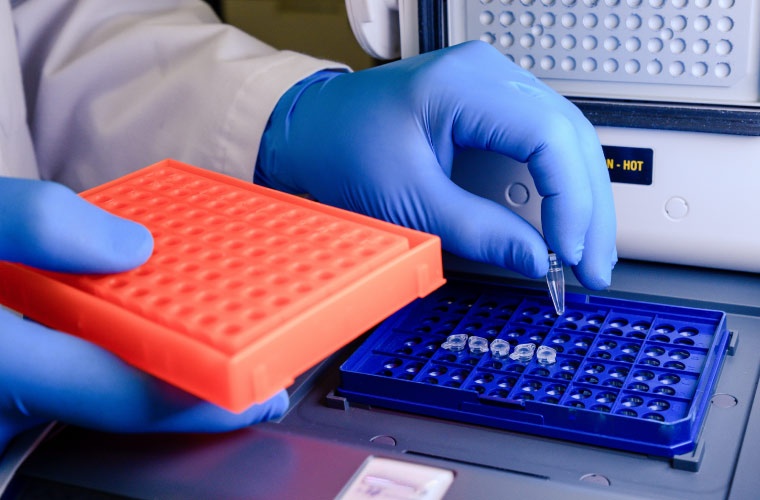
The European Food Safety Authority (EFSA) has opened a public consultation on the draft of its new scientific opinion concerning dioxins and dioxin-like PCB compounds present in feed on food.
This reviews forms part of the regular update of available scientific evidence and, on this occasion incorporates the Toxic Equivalency Factors (TEFs) revised by the World Health Organization in 2024, which are used to assess the combined toxicity of dioxins and dioxin-like PCBs.
The public consultation will remain open until 26 January 2026, the deadline for industry, academia, and other stakeholders to submit their comments through EFSA’s digital platform. The process will conclude with an informational webinar on 11 December, in which EFSA will present the technical approach of the draft and address questions regarding its content.
Dioxin and PCBs are well-studied environmental contaminants, and their presence in feed and marine-derived products is monitored systematically. For this reason, the update may be of particular interest to feed manufacturers, aquaculture producers, certification bodies, and laboratories.
The consultation provides the aquaculture sector with an opportunity to stay informed, contribute data where relevant, and gain first-hand insight into how scientific understanding of these contaminants in feed and aquaculture products continues to evolve.
What does EFSA say about dioxins and PCBs in farmed fish?
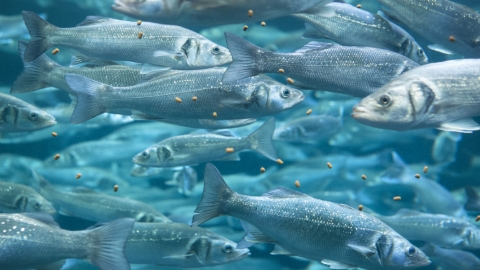
In a 2012 report, EFSA concluded that, on average farmed fish – such as salmon and rainbow trout – contained levels of dioxins and PCBs equal to or lower than those found in some wild species. These findings were attributed to controlled diets, lower exposure to the natural environment, and the gradual reduction of wild-sourced marine ingredients in modern aquaculture feeds.
Official controls carried out in Europe in recent years confirm that the level detected in farmed fish remain below the maximum limits set by EU legislation.
In all cases, EFSA reiterates that the consumption of fish – both farmed and wild – forms part of a balanced and healthy diet, and that the nutritional benefits of fish clearly outweigh potential risks when production complies with food safety standards.
More information:
Draft scientific opinion on the update of the risk assessment of dioxins and dioxin-like PCBs in feed and food

Latest news
-
European aquaculture organisations urge Commissioner Kadis to provide political leadership to revive production
Brussels, 5 December 2025 |
-
-
EFSA launches consultation process on dioxins and dioxin-like PCBs
Brussels, 5 December 2025 | This consultation is of particular interest to feed manufacturers, aquaculture producers, and certification bodies