
Energy consumption is growing weight in operational costs and its impact on fish farming management are increasingly shaping technological and production decisions across the sector. This is highlighted in a technical document from the European Commission, which analyses how energy is used across different farming systems and where the main optimisation opportunities lie.
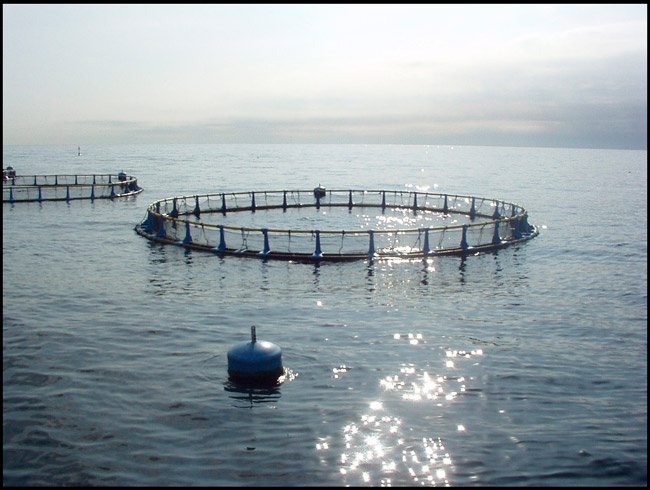
The analysis reveals significant differences between production models. In marine net pen systems, energy accounts for between 1.1% and 2.2% of total production costs, depending on regional and operational conditions. While relatively modest, this share is closely linked to critical functions such as automated feeding, monitoring systems and service vessels, amplifying its operational relevance.
In mollusc aquaculture, traditionally seen as low-energy, the picture is also evolving. Energy costs can be as low as 3% in raft-based systems, but rise to around 14% in longline operations due to increased mechanisation of seeding, maintenance and harvesting activities.
Other land-based systems fall somewhere in between. In ponds, electricity may account for around 6% of costs, rising to 15% when fuel is included. In raceways, energy costs can reach up to 8%, largely driven by water pumping requirements.
Beyond these figures, the document points to a deeper structural shift. Energy is no longer simply a cost to be optimised – it is becoming a key factor influencing farm design, site selection and the economic viability of different technologies.
In this context, energy efficiency, access to renewable sources and integration with other industries are gaining strategic importance.
Looking ahead, the relative importance of energy is expected to increase further. Automation, digitalisation and the shift towards more intensive and controlled systems – such as offshore farming and recirculating aquaculture systems – are all driving higher energy dependency. At the same time, these technologies also offer the greatest potential for optimisation.
In this evolving landscape, the competitiveness of European aquaculture will increasingly depend on how effectively energy is managed. This is no longer just about reducing costs or emissions, but about adapting production models to a context where energy is now central to the system.

Latest news
-
Energy costs and consumption patterns vary widely across aquaculture systems, new EU analysis shows
Brussels, 7 April 2026 |
-

Digital twins in aquaculture are advancing fast, but remain far from commercial farms
Portugal, 6 April 2026 | The technology promises to optimise production and reduce risks, but the gap between laboratory performance and real-world deployment remains critical
-
Replacing fishmeal with mussels does not reduce environmental impact in seabream juvenile farming
Norway, 6 April 2026 | Partial and total substitution increases impacts in key categories, while energy use during the juvenile stage emerges as the main environmental hotspot