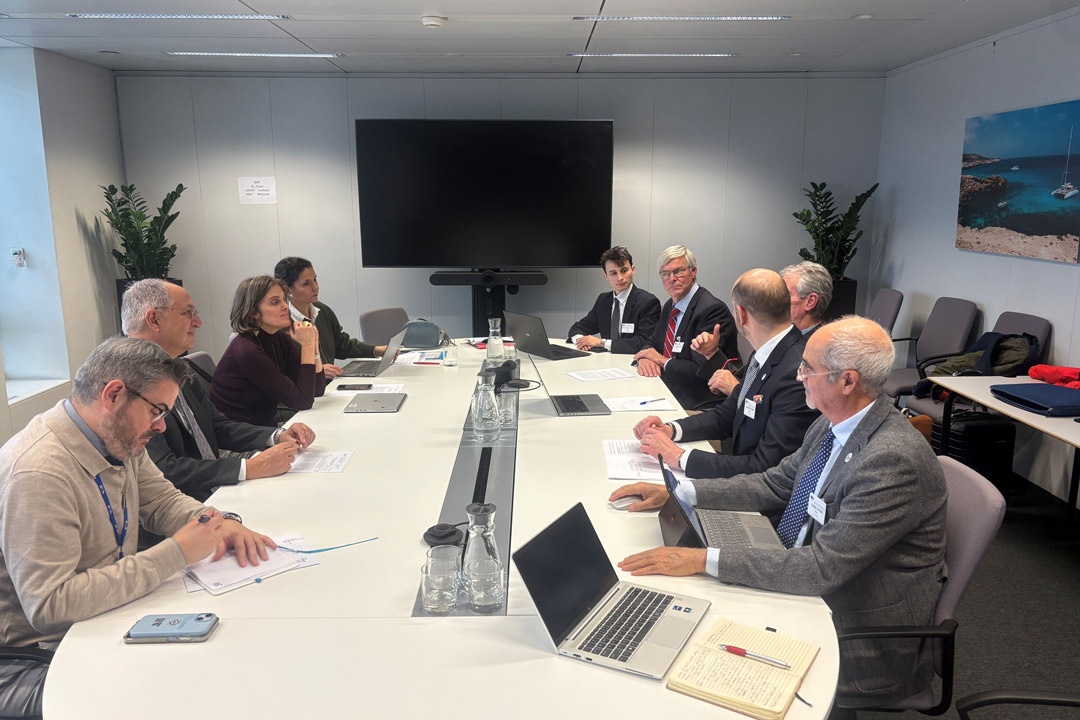
European aquaculture representatives met in Brussels on Thursday with Commissioner Costas Kadis, calling for decisive political leadership to reverse decades of stagnant or declining production and to ensure that the sector is fully reflected in the EU’s long-term food and blue-economy strategies.
The European Molluscs Producers’ Association (EMPA), the Federation of European Aquaculture Producers (FEAP) and the European Aquaculture Technology and Innovation Platform (EATIP) – together representing the whole EU aquaculture sector – held a small-committee meeting with the Commissioner, who is responsible for Fisheries and Oceans, including aquaculture. The discussion addressed the challenges facing EU producers and their contribution to the EU’s Vision for Aquaculture towards 2040, as well as the upcoming Ocean Research and Innovation Strategy.
According to the organisations, European aquaculture has been unable to expand for more than 25 years, despite global aquaculture continuing to grow. They argued that the problem does not stem from a lack of investment or innovation, but from “excessive bureaucracy, burdensome administrative processes, fragmented initiatives, insufficient recognition in spatial planning, and policy frameworks that generate consultations but deliver few results.” As a result, they warned, the EU’s growing demand for aquatic food is increasingly met by imports from countries with more coherent aquaculture policies.
The three bodies urged Kadis to drive stronger political direction within the European Commission and among Member States, ensuring aquaculture is integrated across food policy, competitiveness strategies, research priorities and environmental legislation.
Kadis “welcomed the exchange” and reaffirmed his commitment to raising the profile of aquaculture at EU level. “Aquaculture is a top priority in my portfolio, both for food security and for competitiveness in coastal and river areas,” he said. “Promoting aquaculture is also key to reducing our dependency on imported seafood. Demand-driven research must play a central role in future EU research programmes.”
Sector representatives said they welcomed this message but stressed the importance of translating political intent into concrete progress, including “regular reality-checks at farm level” to ensure policies respond to operational needs.
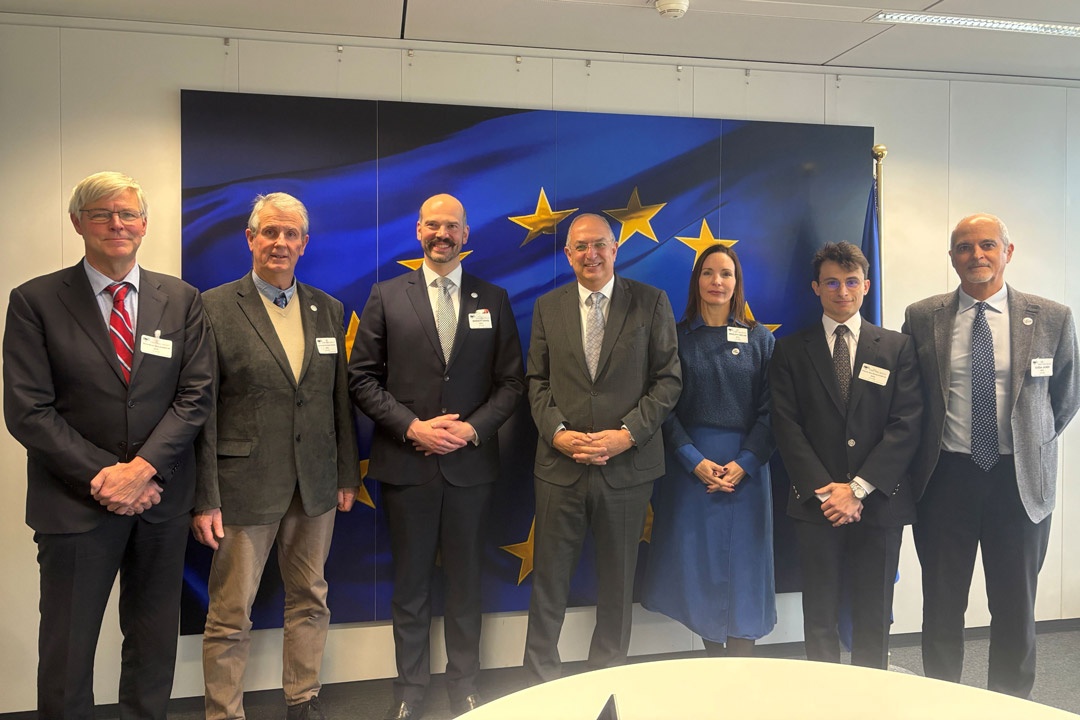
EMPA President Addy Risseeuw called for a dedicated EU policy recognising aquaculture as a strategic component of the food system, essential for food security, climate resilience and coastal development. He argued for clear quantitative targets, including a 25% increase in EU production by 2040, supported by improved access to space, streamlined regulation and a balanced approach between environmental and production objectives through a bottom-up process.
FEAP Secretary General Javier Ojeda warned that “without clear production targets, there is no accountability and no progress.” He said environmental legislation must be compatible with sustainable food production, noting that strong protection is essential but must be aligned with conditions that allow for responsible growth, innovation and investment.
EATIP President Lorenzo Gennari underlined the need for coherence in aquaculture research and innovation within the new Ocean Research and Innovation Strategy and the next Horizon Europe Framework Programme. He said aquaculture R&I has been “under resourced” for too long, particularly in the dissemination and application of research outputs, and highlighted the barriers faced by micro and small enterprises. He called for research to be “impact focussed and aligned to economic needs and market demands,” and for strong political leadership to harmonise priorities and investment across Commission services.
The meeting also touched on policy files influencing the sector’s future, including the European Ocean Pact, the forthcoming EU Vision for Fisheries and Aquaculture by 2040, the Multiannual Financial Framework and the evaluation and potential revision of the Common Fisheries Policy.
The organisations described the exchange with the Commissioner as constructive and encouraging but emphasised that implementation is now crucial. They said the EU must convert good intentions at both Commission and Member State level into “measurable outcomes” that support a competitive and sustainable aquaculture sector. The coalition confirmed its readiness to support the next steps and welcomed Kadis’s proposal for regular follow-up meetings to monitor progress.

Latest news
-
European aquaculture organisations urge Commissioner Kadis to provide political leadership to revive production
Brussels, 5 December 2025 |
-
-
EFSA launches consultation process on dioxins and dioxin-like PCBs
Brussels, 5 December 2025 | This consultation is of particular interest to feed manufacturers, aquaculture producers, and certification bodies