Fish slaughter is one of the most visible stages of aquaculture production, yet it is also one of the most sensitive from a technical, regulatory, and reputational point of view. In recent years, animal welfare has moved beyond an ethical discussion to become a measurable criterion, subject to audits, certification schemes, and, most likely, increasingly strict regulation.
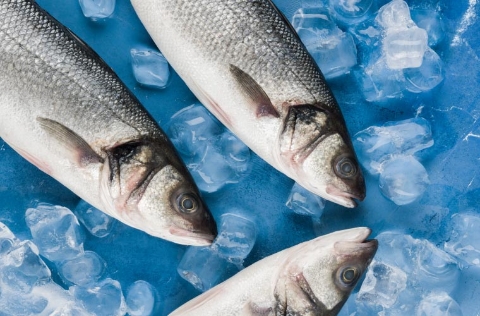
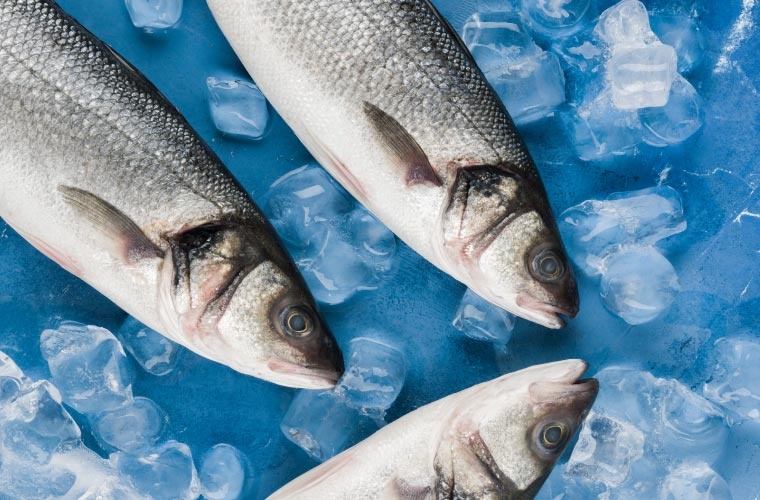
In this context, a recent study by researchers from the Mediterranean Institute of Advanced Studies (IMEDEA-CSIC/UIB) and the University of Las Palmas de Gran Canaria (ECOAQUA-ULPGC) examines how and when cardiac activity ceases in farmed European seabass (Dicentrarchus labrax), providing physiological data that prompt the sector to look more closely at what actually happens during slaughter.
The study focuses on different combinations of slaughter methods currently used on farms or as control treatments, such as electrical stunning, ice slurry, and ikejime (brain spiking), using cardiac function as an objective indicator to move beyond external perceptions of the process. Rather than assessing what appears to happen, the research looks at what is occurring physiologically in the fish after the application of the various procedures.
One of the most relevant findings from the study is that loss of movement or motor response does not necessarily correspond to an immediate loss of consciousness or effective death. Physiological recordings show that, under certain slaughter combinations—specifically those involving ice slurry—cardiac activity can persist for a significant period even when the fish already appears immobile. Clear differences are also observed between protocols in both the speed and the consistency with which cardiac arrest occurs.
This distinction is crucial, as many slaughter protocols have traditionally relied on external indicators—such as the absence of movement, reflexes, or respiration—which do not always accurately reflect the animal’s true physiological state. By focusing on cardiac activity, the study shows that physiology can reveal nuances that are not visible at first glance, but which are highly relevant from a welfare perspective.
These physiological measurements also reveal considerable variability between individual fish subjected to the same procedure, reinforcing the idea that not all methods, nor all combinations of methods, offer the same level of reliability. Rather than singling out a single “best” slaughter method, the research makes it clear that different approaches perform unevenly when it comes to how quickly and consistently cardiac activity ceases.
Although animal welfare is the central focus of the work, its implications go further. While this study specifically monitored heart rate and temperature, the authors highlight established research showing that pre-slaughter stress and the way death occurs have a direct influence on key product quality parameters, including muscle pH, texture, and ATP levels. Improving slaughter protocols is therefore not only an ethical or regulatory issue, but also a decision with economic and commercial consequences.
Moreover, in a context of growing public and regulatory scrutiny, access to robust physiological data becomes a form of protection for the sector itself. Studies like this anticipate the type of evidence that is likely to be required in the future to justify certain practices, reducing reliance on tradition or subjective interpretation.
Reference:
Hoyo-Alvarez, E., Cabrera-Álvarez, M. J., Ginés, R., Roque, A., & Arechavala-Lopez, P. (2026). Cardiac activity cessation during slaughtering combinations in farmed European seabass. Journal of the World Aquaculture Society, 57(1), e70062. https://doi.org/10.1111/jwas.70062

Latest news
-

Applied aquaculture science needs “quality time” and less bureaucracy
By Alejandro Guelfo, 15 January 2026 | The sector needs to accelerate innovation, but bureaucracy and competition for funding are holding research back: the key is to ensure every euro pays for more science and less paperwork
-
The Yellowtail Kingfish (Seriola lalandi) genome decoded: future implications
New Zealand, 15 January 2026 |
-