
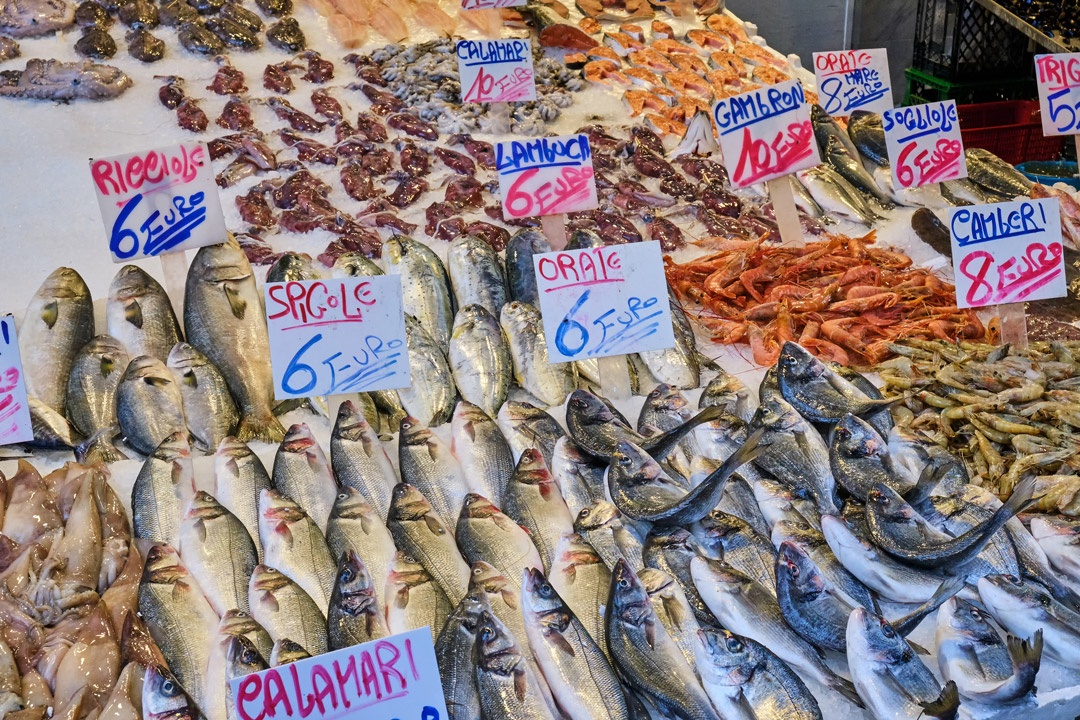
FAO has published a new report warning about fraud in aquatic products and the risks such practices pose to consumers, market confidence and the sustainability of marine resources.
The report systematically analyses the vulnerability of the fisheries and aquaculture sector, which globally accounts for around 185 million tonnes of products and an annual turnover of approximately USD 195 billion.
According to FAO, the growing complexity of international supply chains and the trade of more than 12,000 different species make the sector particularly exposed to food fraud. The most common practices include species substitution, adulteration, mislabelling and false claims regarding origin or production method. Cases have also been identified of starch-based products sold as shrimps, surimi marketed as crab meat, and farmed fish presented as wild-caught in order to command higher prices.
The report highlights that price differences between farmed and wild fish, as well as between domestic and imported products, can create strong economic incentives for fraud. The consequences go beyond market distortion: incorrect origin labelling can undermine supply chain transparency, erode consumer trust and, in the most serious cases, conceal practices that do not comply with regulations or sustainable resource management.
A topical issue confirming Aquafarm as the natural forum for addressing these challenges
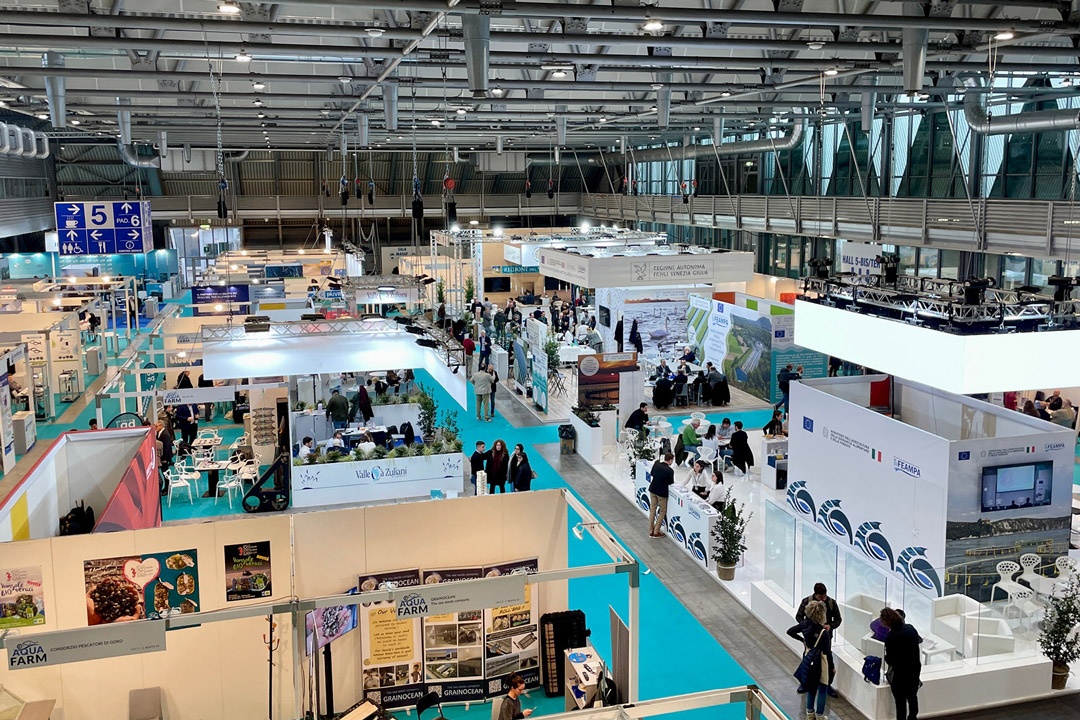
The issue will be at the heart of the Italy-Spain bilateral meeting schedule for 18 February at Aquafarm, where seafood mislabelling will be discussed from both scientific and market perspective. An academic expert will present data and evidence ot define the scale of the problem and outline its key implications.
Aquafarm once again confirms itself as the ideal setting for structured debate on matters directly affecting the sector’s credibility and competitiveness. In an increasingly complex international environment, dialogue between academia, economic operators and institutional representatives is essential to turn a market challenge into an opportunity for systemic strengthening.
Alongside the scientific perspective, a representative of Spain’s traditional retail sector will provide the commercial viewpoint, explaining what mislabeling means for the supply chain and for the end consumer.
For distributors, accurate labelling is not merely a regulatory obligation, but a fundamental component in building customer trust.
The meeting will also offer an opportunity to reflect on how two countries deeply involved in the production, processing and marketing of seafood products can work together to tackle the issue. Italy and Spain share an integrated Mediterranean market, similar commercial dynamics and increasing attention to quality, origin and sustainability, while also facing a common challenge: mislabelling of products originating from third countries (non-EU countries).
In this context, the bilateral dialogue aims to foster stronger technical and institutional cooperation between the two countries, with the objective of reinforcing prevention systems and ensuring fair competition throughout the value chain.
Within this framework, API – Associazione Piscicoltori Italiani – has taken an active role in promoting greater attention to transparency and correct labelling, empahsising that safeguarding origin and consumer information is a strategic factor in enhancing national production and ensuring a level playing field.
Addressing fraud in aquatic products is not merely about combating unlawful practices; it is about protecting product value, safeguarding the sector’s reputation and maintaining consumer confidence at a time when traceability and transparency are increasingly decisive in purchasing decisions.

Latest news
-
Cooke Seafood reaches an agreement to acquire Avramar Spain
Alicante, Spain, 12 February 2026 | This transaction represents a significant move that could reshape the Mediterranean aquaculture sector
-
FAO raises alarm over seafood mislabelling: issue to take centre stage at Aquafarm
Rome, 12 February 2026 | An Italy-Spain bilateral meeting will examine the issue and explore technical and institutional solutions to strengthen EU cooperation
-
Mowi anticipates tighter salmon market in 2026
Oslo, Norway, 11 February 2026 | Mowi closed 2025 with record revenues of EUR 5.73 billion and an EBIT of EUR 727 million