
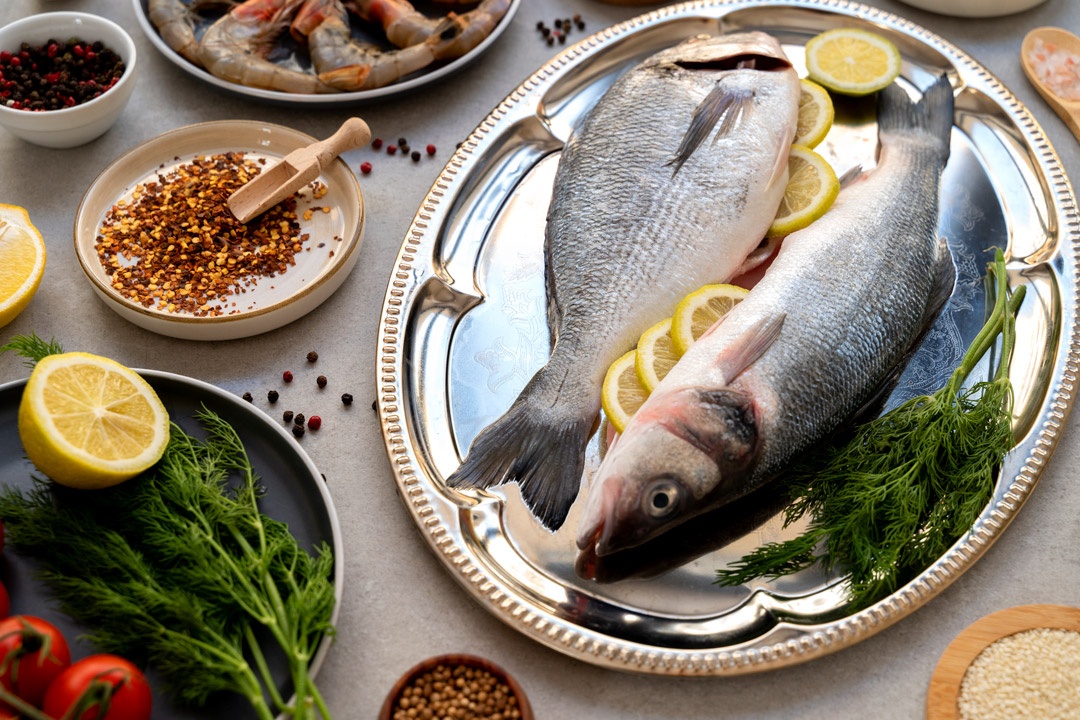
Modern aquaculture has become a key ally for households looking to celebrate Christmas with high-quality seafood without letting budgets spiral out of control. Unlike the price volatility that typically affects wild-caught fish in December, farmed fish and seafood offer consumers a clear advantage: stable prices, reliable supply and consistent quality throughout the year.
During a period of intense demand and reduced availability of wild products, particularly in the weeks leading up to the festive season, aquaculture enables families to plan their Christmas menus with greater certainty. These products also maintain a strong nutritional profile, providing high-quality protein, essential minerals and Omega-3 fatty acids, while delivering the flavour and texture expected on a festive table.
Choosing locally farmed fish brings additional benefits. Sourced from nearby farms, products reach retailers fresher, reduce the carbon footprint associated with transport and directly support regional economies. Species such as gilthead seabream, European seabass, turbot, sole, rainbow trout and Atlantic salmon are available year-round, alongside emerging options like meagre, which is steadily gaining popularity, and greater amberjack, expected to become more widely available in the near future.
These species also reflect evolving consumer preferences at Christmas. Shoppers increasingly favour familiar, versatile fish that are easy to prepare and suitable for traditional festive dishes. Gilthead seabream and European seabass remain leading choices for main courses, while turbot and sole are typically associated with more formal celebrations. For starters, salmon and trout stand out for their convenience and adaptability to modern preparations such as home-made smoked products or raw dishes. At the same time, interest is growing in species like meagre, seen as a contemporary yet reassuring alternative capable of replacing historically festive fish without disrupting traditional tastes.
Price stability translates into tangible savings for households over the festive period, particularly when it comes to the main course. Red seabream, a traditional Christmas centrepiece, can exceed €60 or even €70 per kilo at peak times. By contrast, a large farmed gilthead seabream or meagre, prepared baked, salt-crusted or grilled, offers a comparable gastronomic experience at prices typically ranging between €10 and €15 per kilo. The difference can represent savings of up to 70 per cent without compromising quality or presentation.
A similar pattern applies to starters. Wild shellfish such as red prawns or goose barnacles are subject to sharp price fluctuations in December. Farmed trout and salmon, however, make it easy to prepare elegant starters at home, from smoked slices to tartares or ceviches, at a significantly lower cost. A salmon tartare served in small portions maintains a sense of luxury while keeping spending under control.
Another important factor is the reduction of food waste. Wild fish often come in irregular sizes, encouraging consumers to buy more than they need “just in case”. Farmed fish, by contrast, are sold in standardised sizes, making it easier to calculate exact portions. Planning, for example, a 400-gram European seabass per person helps optimise budgets and avoid unnecessary leftovers.
In a festive season increasingly shaped by responsible consumption, aquaculture offers a solution aligned with current consumer priorities: affordability, ease of preparation and sustainability. Asking about the origin of fish, whether at the fishmonger or in a restaurant, has become a simple yet effective way to protect both household budgets and the environment during one of the most important times of the year.

Latest news
-
Farmed fish reshapes Christmas menus
Editor, 24 December 2025 | Seabream, sea bass, rainbow trout and Atlantic salmon stand out as affordable and reliable festive choices
-

Moroccan aquaculture agency presents its 2026 Action Plan with 35 strategic projects
Rabat, Morocco, 24 December 2025 | The plan consolidates the strong expansion of the sector in recent years
-
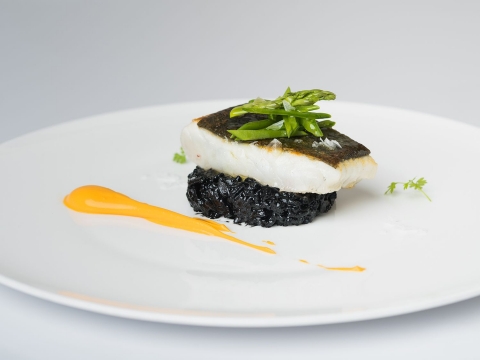
Stolt Sea Farm’s turbot takes centre stage at the 2025 Nobel Prize Dinner
Stockholm, Sweden, 23 December 2025 | The turbot was served as the main course of the banquet, in a fine-dining preparation combining the fish with scallop, seaweed and a beurre blanc sauce