
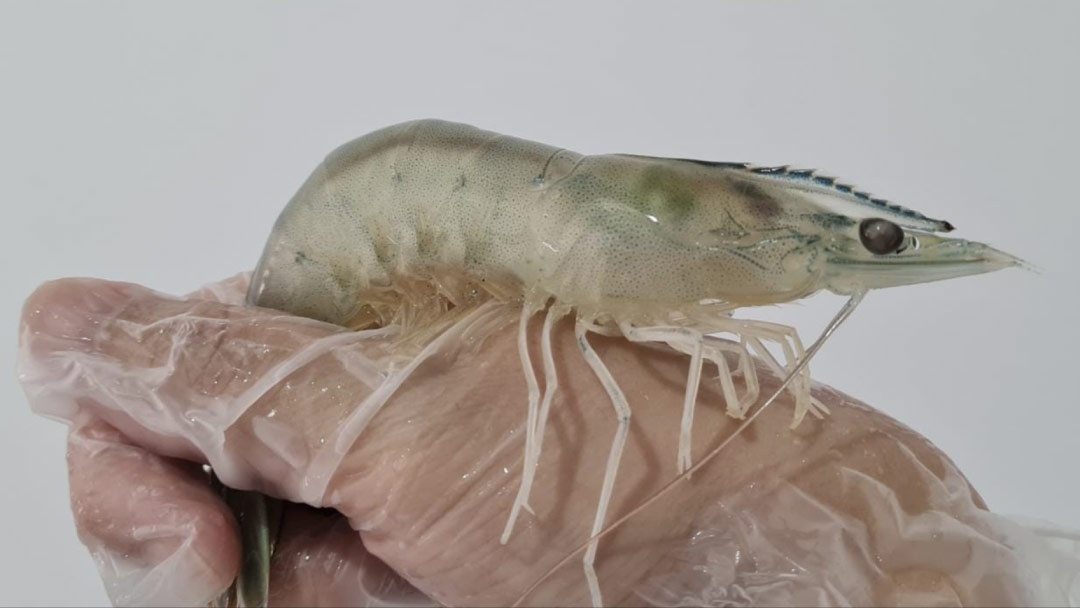
A scientific analysis warns that global shrimp aquaculture will need to strengthen its resilience to cope with a growing combination of challenges including disease outbreaks, climate change, supply chain disruptions and economic pressures.
The tropical shrimp Litopenaeus vannamei plays a central role among aquaculture species due to its global production scale and widespread consumption across international markets. Today, around 70% of the shrimp consumed worldwide comes from aquaculture, particularly in Asia and Latin America, which makes strengthening the resilience of production systems especially important.
The authors identify several key challenges for the sector, including the spread of viral diseases such as white spot syndrome, vulnerabilities in feed and larvae supply chains, the impact of climate change on water quality and animal health, and economic volatility linked to production costs.
To address these challenges, the researchers propose five main strategies to improve the sector’s resilience.
Detecting risks through early warning systems and rapid disease diagnostics. This would allow farmers to identify potential outbreaks earlier and take preventive management actions.
Insulating farms against outbreaks by strengthening biosecurity measures to prevent the introduction and spread of pathogens between ponds, farms and production regions.
Streamlining resource use and production efficiency, helping reduce costs, improve feed conversion ratios and lower the environmental footprint of farming systems.
The study also highlights the importance of diversifying inputs and production systems to reduce dependency risks and supporting farmers, particularly smallholders, through public policies and improved access to financing.
According to the study, the combined implementation of these strategies will be essential to secure the global supply of aquatic protein in the coming decades.
The authors conclude that the future of shrimp aquaculture will depend on stronger cooperation between producers, scientists, governments and supply chain actors to develop more resilient and sustainable production models.
Reference
Campbell E. et al. (2026). Challenges and strategies for globally resilient shrimp aquaculture. npj Science of Food.

Latest news
-

Seafood Legacy Spain begins construction in Burela to bring salmon to market by 2029
Burela, Lugo, 17 March 2026 | The project, backed by more than €80 million in investment and public funding, reinforces Europe’s push for land-based salmon production using RAS technology
-
Five strategies proposed to strengthen the resilience of global shrimp aquaculture
United Kingdom, 17 March 2026 |
-
The EU already imports 83% of the seafood it consumes, report warns of a “competitiveness gap” with third countries
Brussels, 16 March 2026 | Rising energy, labour and regulatory costs in the EU contrast with significantly lower operating costs in major exporting countries