
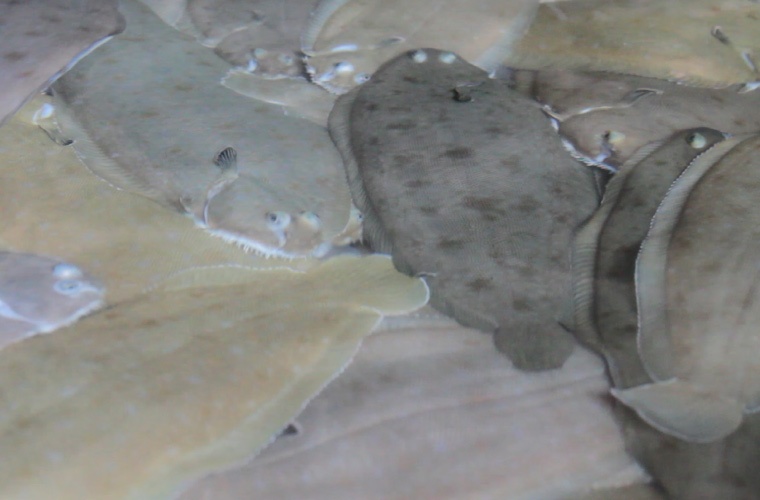
For years, the low reproductive capacity of Senegalese sole males born and reared in captivity (F1) has been one of the main obstacles to the development of strategies aimed at improving the species’ productive performance at comercial scale. Years of research have gradually narrowed down the problem, which has proven to be multifaceted.
It is well established, for example, that males of this species are oligospermic, and that those born in captivity produce even smaller volumes of semen, with poorer motility. At the time of spawning, these fish also display deficient reproductive behaviour, with little or no courtship activity.
It has also become clear that many of the solutions tested to date – including hormonal treatments, in vitro fertilisation, changes in husbandry practices or specific diets – have delivered only partial or temporary results.
Over time, research has moved further upstream and begun to show that the problem lies not only in how F1 males reproduce, but in how they are programmed. Genomic and epigenetic studies have revealed that captive-bred males exhibit alterations in the regulation of key genes involved in gonadal development and reproductive function, with higher levels of DNA methylation than their wild counterparts and reduced expression of fundamental biological pathways required for maturation and activation of the reproductive system.
More recently, a proteomic study has taken this a step further by showing how these alterations translate into practice. The results indicate that F1 males do not suffer from an isolated defect, but rather from a coordinated deregulation of the entire molecular machinery involved in fertilisation. In their gonads, lower levels of essential proteins are expressed for sperm-egg recognition, binding to the zona pellucida and activation of the acrosome reaction – all indispensable steps for fertilisation to occur.
At the same time, there is an increased activation o metabolic and cellular maintenance pathways, as if the reproductive system were prioritising its own survival over reproductive performance.
Taken together, what is now known is that reproductive dysfunction in F1 Senegalese sole males is both deep and multifactorial. It affects behaviour, sperm quality and, above all, the molecular mechanisms that make fertilisation possible.
What remains unclear is which specific aspects of captivity – environmental conditions, husbandry practices or early developmental factors – trigger this reprogramming. However, the new knowledge offers something crucial: it allows the sector to move from merely describing the problem to understanding it, and opens the door to the identification of objective biomarkers that could help anticipate which broodstock actually have fertilising capacity before failure occurs at spawning.
In short it could be stablished that the priority is no longer to ask whether F1 males are reproductively compromised – that is well established – but to understand when the dysfunction is programmed, how it is regulated, and whether it can be predicted or prevented.
Research that integrates early development, epigenetics, behaviour and functional fertility markers is the most promising path forward, both scientifically and for aquaculture practice.

Latest news
-
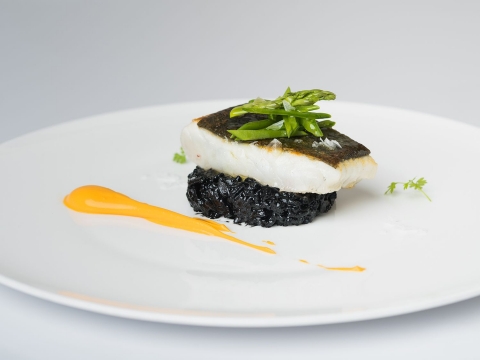
Stolt Sea Farm’s turbot takes centre stage at the 2025 Nobel Prize Dinner
Stockholm, Sweden, 23 December 2025 | The turbot was served as the main course of the banquet, in a fine-dining preparation combining the fish with scallop, seaweed and a beurre blanc sauce
-
Improving F1 reproduction in Senegalese sole
For years, the low reproductive capacity of Senegalese sole males born and reared in captivity (F1) has been one of the main obstacles to the development of strategies aimed at improving the species’ productive performance at comercial scale.
-
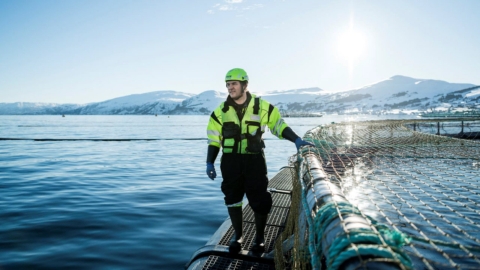
Mowi retains feed production as it enters strategic partnership with Skretting
Oslo, Norway, 22 December 2025 | Collaboration combines in-house manufacturing with Skretting’s nutritional expertise and R&D capabilities