
Despite the broad consensus in Europe on prioritizing the consumption of local, sustainable and traceable products, we face the paradox that there is still significant resistance to the establishment and expansion of aquaculture facilities along our coasts.
This opposition is often linked to negative perceptions regarding environmental impact, animal welfare or landscape alteration. These perceptions do not reflect the current reality of the sector and are largely the result of inadequate communication with society.
This lack of social acceptance translates into local conflicts, administrative delays, legal uncertainty and, ultimately, a lack of growth in production, as has been observed over the past decade.
At this point, it is important to clarify that there is growing awareness of the quality and sustainability of farmed fish and seafood. This is therefore not the main challenge facing aquaculture, even though there will always be consumers who prefer wild-caught fish.
Instead, the strongest opposition arises from local communities that do not accept aquaculture facilities being located in spaces shared with other uses. This is due to the lack of effective communication of the sector’s contributions in terms of value for the community, such as stable employment, economic diversification, population retention in rural areas and food production. Only when local communities, or so-called blue communities, are able to recognize the value of aquaculture will it shift from being a source of conflict to a territorial asset.
In modern societies, sensitivity to environmental and ethical challenges is an important factor to consider. For this reason, efforts must focus on transparency, clear communication and access to understandable information in order to dismantle outdated narratives that associate aquaculture with poorer environmental performance or insufficient production control.
Proactive citizens who support aquaculture help to drive public policy. Local and regional authorities operate within a delicate balance between promoting strategic sectors and responding to social pressure. When aquaculture enjoys social legitimacy, policymakers have greater room to simplify procedures, invest in innovation and plan for the long term. Without this support, even the most ambitious policies risk being blocked by local opposition or concerns over political cost.
For these reasons, in 2026 we must work to improve the perception and social acceptance of aquaculture. Investing in communication – and above all in dialogue, transparency and participation – is essential to contribute in a legitimate and lasting way to the growth of aquaculture and to Europe’s future food system.

Latest news
-
-
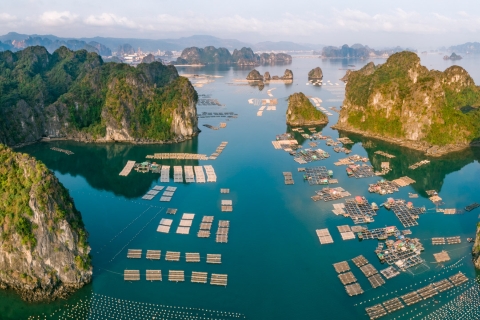
Vietnamese aquaculture faces major animal welfare challenges
Vietnam, 26 December 2025 | New research highlights the gap between global production leadership and animal welfare governance
-
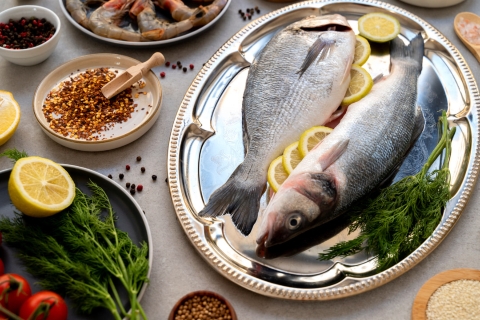
Farmed fish reshapes Christmas menus
Editor, 24 December 2025 | Seabream, sea bass, rainbow trout and Atlantic salmon stand out as affordable and reliable festive choices