Mediterranean and Black Sea aquaculture is consolidating its role as a strategic pillar of regional food security. Yet its capacity to expand sustainability will depend not only on technical innovation and environmental performance, but increasingly on regulatory clarity and administrative predictability.
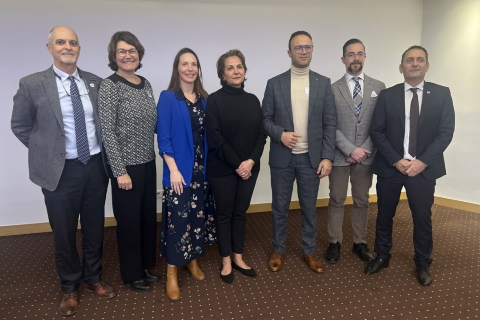
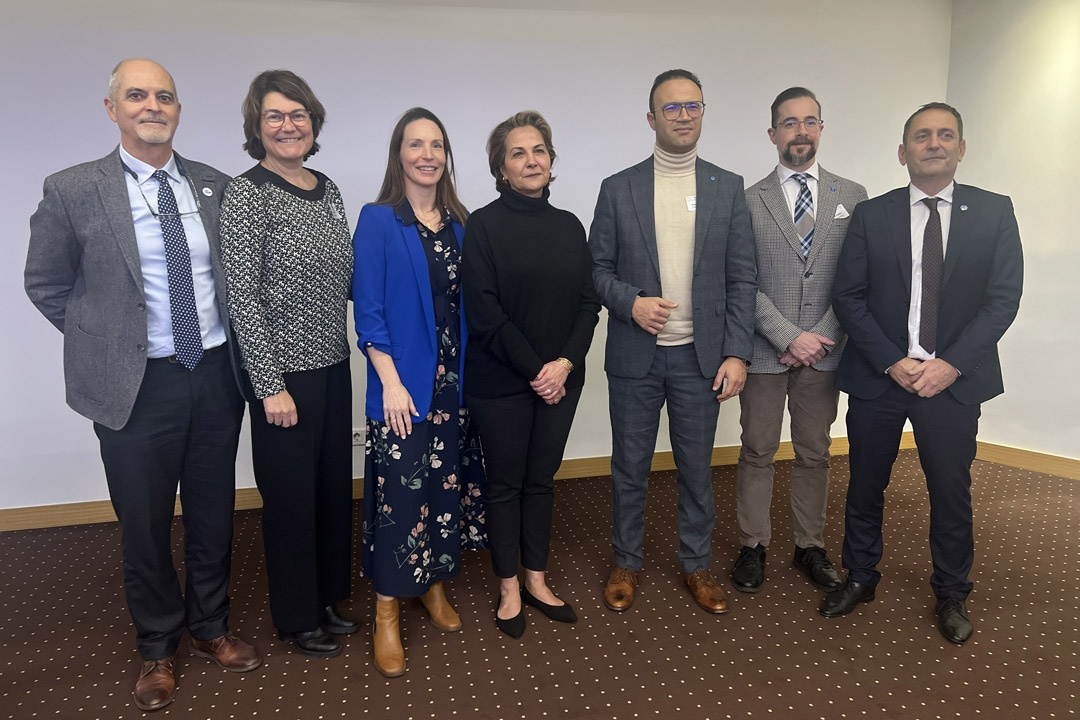
This was the core message from the technical consultation held in Athens, Greece, and jointly organised by the Federation of European Aquaculture Producers (FEAP) and the General Fisheries Commission for the Mediterranean (GFCM), which brought more than 130 producers, national authorities, technical experts and aquaculture demonstration centres.
A strategic production base under pressure to grow
Aquaculture production in the Mediterranean and Black Sea reached 2.97 million tonnes in 2023, with an estimated value of USD 9.3 billion. Marine and brackish water aquaculture accounted for 940,000 tonnes, representing more than 45% of total aquatic food production in the region.
With projections indicating that fisheries and aquaculture output will need to increase by 14-29% by 2050 to meet future demand, the sector is no longer peripheral to food policy – it is structurally embedded in regional resilience strategies.
Licensing complexity as a structural barrier
Participants identified licensing complexity and administrative fragmentation as persistent structural obstacles in several countries. Unclear procedures, limited interinstitutional coordination and unpredictable timelines were described as key deterrents to investment.
Digitalisation of administrative processes and transparent marine spatial planning frameworks were presented as practical measures to reduce bottlenecks and enhance investor confidence.
FEAP Secretary General Javier Ojeda stressed that sustainable growth depends not only on innovation, but on regulatory clarity and predictable frameworks capable of rewarding responsible aquaculture operators.
Measurable sustainability and economic viability
Science-based and harmonised monitoring systems were highlighted as essential to demonstrate compliance while avoiding unnecessary duplication. Participants emphasised that environmental performance indicators must remain proportionate and economically viable.
Discussions also covered integrated multi-trophic aquaculture, recirculating aquaculture systems and bivalve production models, assessed not only in environmental terms but also for scalability and financial feasibility.
Climate adaptation and digital transformation reshape farm management
Rising sea temperatures, extreme weather events and shifting disease patterns are increasingly affecting farm stability. Climate adaptation is no longer a long-term policy objective but an operational necessity.
At the same time, efficiency gains across the value chain and loss reduction were framed as direct levers to improve margins. Pilot surveys will identify critical loss points to inform targeted technical recommendations.
Artificial Intelligence and digital tools – including precision feeding, biomass estimation and water quality monitoring – attracted significant interest, signalling shift towards data-driven aquaculture management.
The consolidate outputs of the consultation will be submitted to the GFCM Committee on Aquaculture and subsequently to its annua session, reinforcing a producer-driven governance approach.
The Athens consultation underscored that innovation alone will not unlock sustainable growth in Mediterranean aquaculture. Clear rules, transparent procedures and predictable investment conditions are equally necessary to sustain long-term development.

Latest news
-
-
Governance, not just budget: defence of the EMFAF aligns with European auditor’s warnings
Brussels, 25 February 2026 |
-