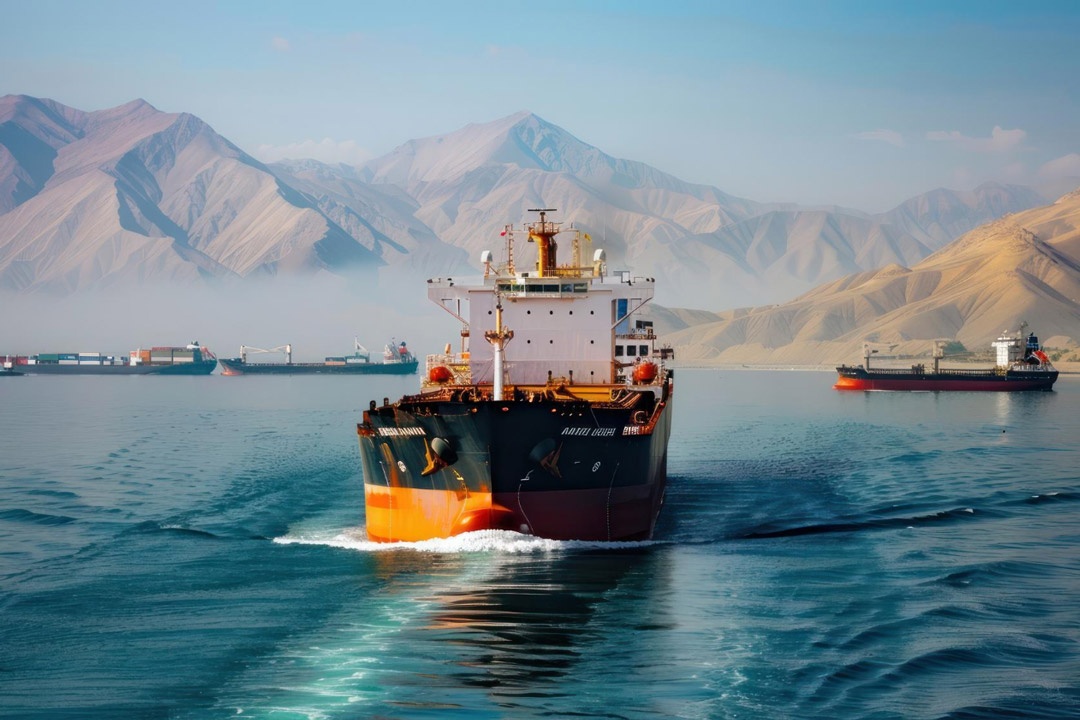
The current escalation of tensions in the Middle East, with Iran playing a central role in the stability of the Gulf region, introduces a new layer of uncertainty for Mediterranean aquaculture. While there is no direct production impact, indirect effects may emerge in energy costs, feed raw materials and trade logistics.
The first risk vector is energy. Any disruption around the Strait of Hormuz typically places upward pressure on oil and gas prices. In a sector where feed manufacturing, transport and – particularly in recirculating aquaculture systems (RAS) – electricity consumption are critical cost components, sustained energy price increases could quickly feed into production costs.
A second element to monitor is the supply chain for raw materials. Mediterranean aquaculture remains heavily dependent on imported vegetable proteins, oils and functional additives. Higher freight rates or increased maritime insurance premiums could translate into higher feed costs, the sector’s main operational expense.
From a commercial perspective, some seabass and seabream producers – especially in Greece and Turkey – maintain active markets in Gulf countries. Should the conflict regionalise, logistical disruptions or temporary demand contraction in premium markets cannot be ruled out.
Turkey, as the largest Mediterranean producer, also plays a strategic role. Currency volatility or trade disruptions affecting Turkish exports could influence price dynamics within the European Union.
On a sectoral impact scale, the current situation could be rated at around 4 out of 10: not a structural threat to production, but a source of cost volatility in an industry already operating on tight margins. For now, the situation calls for monitoring rather than alarm.

Latest news
-
Science challenges current carrying capacity models in Galician mussel farming
New CSIC study calls for dynamic biomass calculation based on real hydrodynamics and climate variability
-
Middle East tensions add cost pressure to Mediterranean aquaculture
Spain, 3 March 2026 |
-