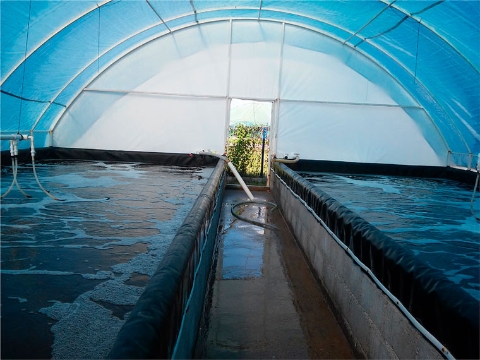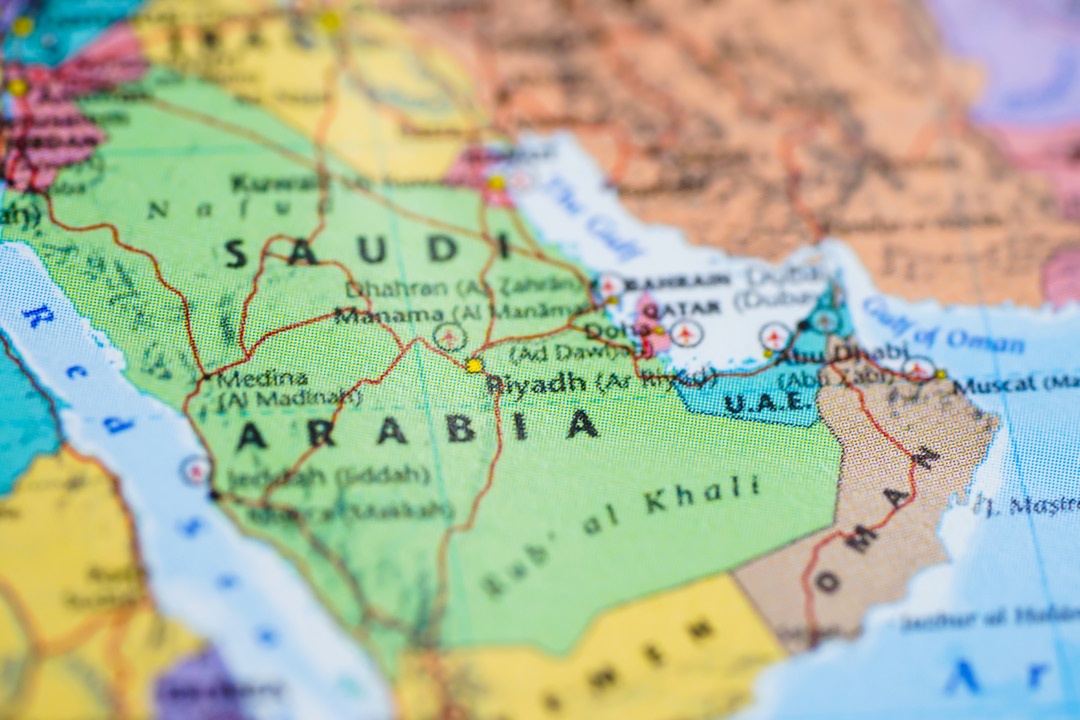
The recent military escalation in the Middle East and the logistical disruption unfolding across the region could have implications for several intensive aquaculture and recirculating aquaculture system (RAS) projects currently under development, many of which rely on technology, engineering or equipment supplied by European companies.
In recent years, several Gulf countries – including Saudi Arabia, the United Arab Emirates, Qatar and Oman – have launched ambitious aquaculture development programmes aimed at strengthening food security and reducing reliance on imported seafood.
Within this strategy, recirculating aquaculture systems have become a key technology, as they allow fish to be produced with very high water-use efficiency in regions characterised by severe water scarcity and harsh climatic conditions.
Many of these projects incorporate advanced filtration, biofiltration, automation, environmental control and water treatment technologies, much of which has been developed by European engineering firms specialising in aquaculture system design and intensive production facilities.
However, the current geopolitical situation introduces new sources of uncertainty for the development of these projects. One of the most significant factors is the situation in the Strait of Hormuz, one of the world’s main energy and maritime trade corridors, where vessel traffic has dropped sharply and war-risk insurance premiums for ships have risen considerably.
This environment could particularly affect projects that depend on the international supply of specialised equipment, including filtration systems, biofilters, pumps, sensors, automation platforms and water treatment units used in RAS facilities.
At the same time, the conflict has highlighted the vulnerability of water-related infrastructure in the region. Recent incidents linked to the attacks have affected desalination plants, which are critical facilities for water supply in several Gulf countries.
This issue Is especially relevant for RAS-based aquaculture projects, as many facilities rely on desalinated water or on complex hydraulic treatment systems to maintain suitable water quality for fish production.
Although no aquaculture projects have been reported as cancelled so far, the current situation could lead to delays in equipment delivery, increased logistics costs or adjustments to construction schedules.
Shipping companies are already diverting routes to avoid areas considered high risk, increasing transit times and operational costs in international trade.
For RAS projects – which depend on the integration of multiple technological system supplied by different providers – such logistical disruptions may directly affect installation, commissioning and operational timelines.
Despite these uncertainties, aquaculture continues to be viewed as a strategic sector in several Middle Eastern countries, where it forms part of national plans to strengthen food security and diversity economies beyond the energy sector.
In this context, the evolution of the conflict and its impact on trade routes, water infrastructure and industrial supply chains will be closely monitored by the global aquaculture industry in the coming months.

Latest news
-
Military escalation in the Middle East could affect aquaculture and RAS projects involving European technology
Middle East, 13 March 2026 |
-
-