
Marine aquaculture has been identified by the Moroccan Government as a priority vector for blue growth, with strong potential for job creation, economic diversification, and enhanced food security. In recent years, Morocco has pursued a sustained agenda of investment, spatial planning and regulatory modernisation to consolidate its regional leadership in aquaculture production.
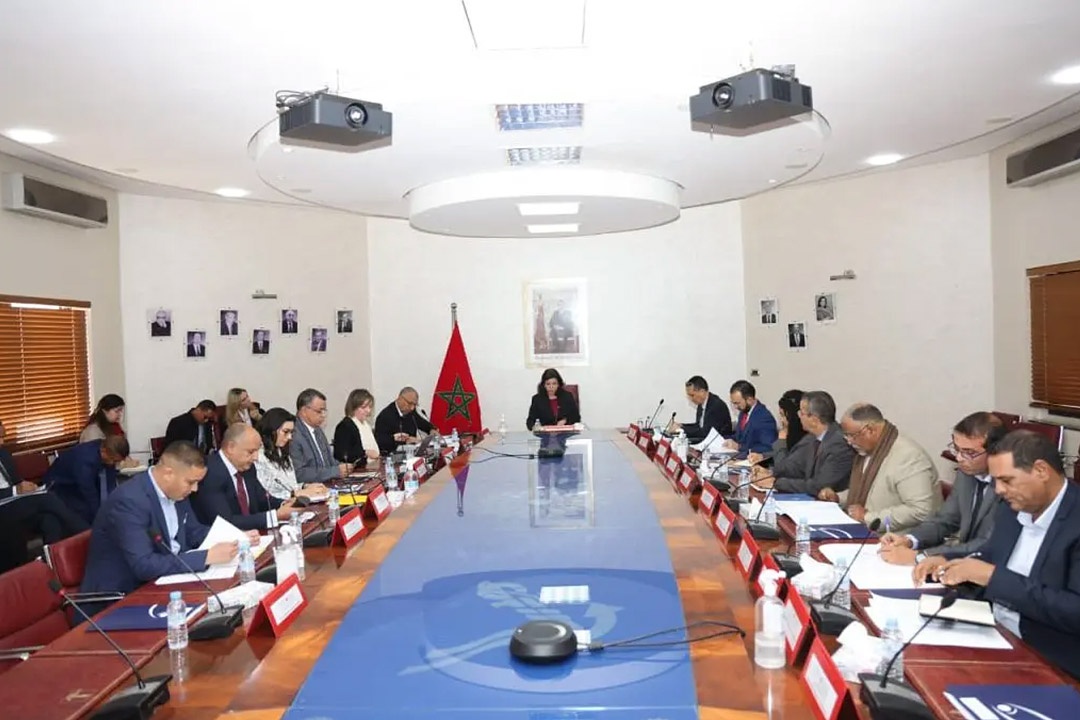
In this context, the National Council for Marine Aquaculture (CNAM) held its third sesión on Monday in Rabat, chaired by Zakia Driouich, Secretary of State in charge of Maritime Affaris. The meeting was dedicated to assessing the regulatory progress of the sector and defining the steps required to ensure the full implementation of Law No. 84-21, which since 2022 has constituted the specific legal framework for aquaculture in Morocco.
During the sesión, the progress made in drafting various implementing regulations was presented. These texts are considered essential for ensuring modern, transparent governance aligned with the sanitary, environmental and economic requirements of the sector. According to the Secretary of State, these legislative developments will help “consolidate the Kindom’s strategic positioning in marine aquaculture” and strengthen its contribution to food security and sovereignty.
Among the key outcomes of the meeting was the validation of the national procedure for developing Regional Aquaculture Management Plans – an essential tool for organising activity in each maritime area. With this, CNAM reaffirms the need for balanced planning that defines carrying capacities, suitable production areas and environmental monitoring parameters.
The Council also endorsed the submission of the draft decree on the aquaculture levy, together with its implementing regulation, aimed at establishing a clear and equitable system for managing aquaculture operations. This economic instrument is conceived as a central element for ensuring transparency in access to and use of maritime space allocated to aquaculture activities.
The session concluded with progress on three essential technical texts required for the implementation of Law 84-21: the definition of authorised personnel responsible for supervising and reporting infringements in the sector; the official procedure for sampling and data collection to guarantee sanitary and environmental monitoring; and the operational framework for the destruction of confiscated aquaculture products that do not meet food safety standards.

Latest news
-

“AI washing” in aquaculture: when artificial intelligence changes nothing
By Alejandro Guelfo, 2 February 2026 |
-
-
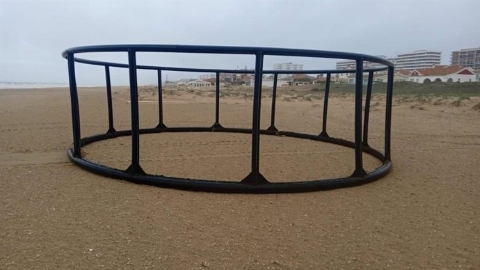
Three offshore fish farming cages from Portugal wash ashore in southern Spain after Storm Kristin
Punta Umbría, Spain, 30 January 2026 |
