
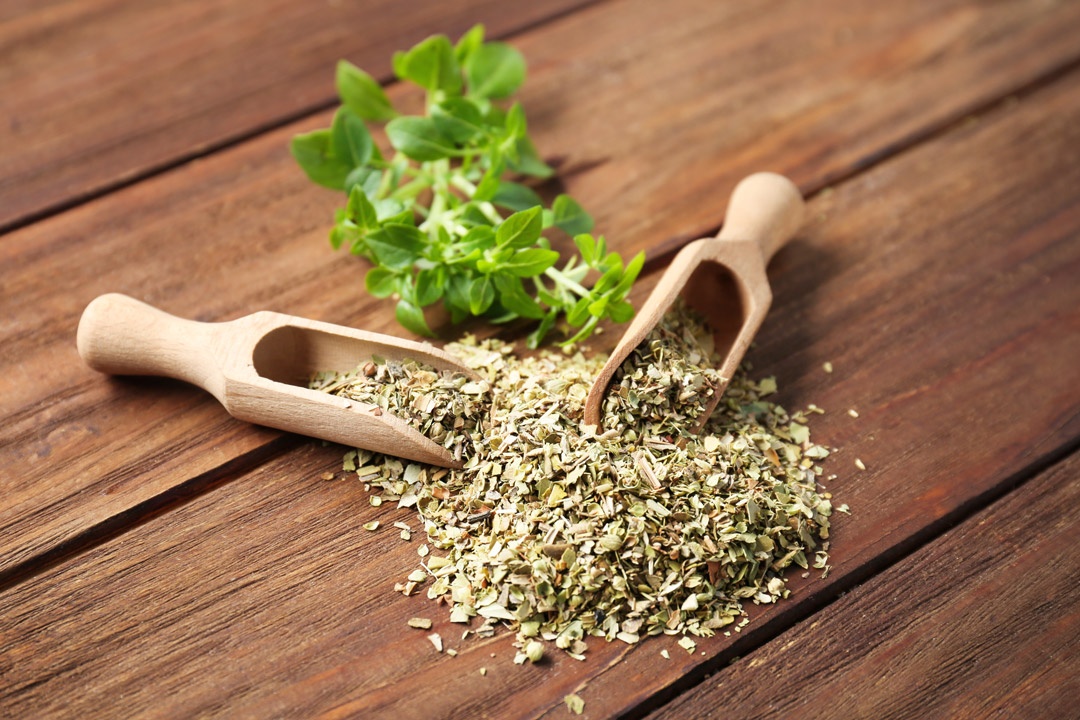
After harvest, there is still room to remain competitive. A recent study conducted by researchers at the Agricultural University of Athens, Greece, shows that natural preservation strategies can reduce microbiological deterioration and extend the shelf-life of gilthead seabream (Sparus aurata) fillets without affecting their sensory quality.
The study, published in the scientific journal Chemosensors, analyses the combined effect of modified atmosphere packaging and oregano essential oil under refrigerated storage conditions. The authors examine how this combination acts as an additional barrier against the growth of the main microorganisms responsible for product spoilage.
In a sector characterised by tight margins and the high perishability of fresh fish, reducing post-harvest losses is becoming an increasingly relevant way of improving economic performance without increasing production. Gilthead seabream, one of the key species in the Mediterranean aquaculture, illustrates how final quality and shelf-life directly influence logistics, marketing and access to certain markets.
The research, carried out at the facilities of the Agricultural University of Athens, indicates that the shelf-life of seabream fillets can be extended by up to four days, depending on storage conditions, particularly when modified atmosphere packaging is combined with additional barriers to microbial growth. This extension is accompanied by better preservation of key sensory attributes such as odour, texture and appearance, which are critical for consumer acceptance.
Beyond microbiological outcomes, the study also explores the potential of rapid, non-destructive quality control tools, including infrared spectroscopy and multispectral imaging. Although these technologies are still under development for widespread industrial use, they point towards more efficient and continuous quality monitoring across the value chain.
The practical applicability of the study, however, should be interpreted with caution. Conducted under controlled and experimental conditions, its direct implementation at industrial scale would require further adaptation, particularly in packaging design, validation processes and regulatory compliance.
Nevertheless, the results provide robust evidence that such strategies can serve as complementary tools within existing preservation systems, especially for companies already using modified atmosphere packaging to reduce losses and improve product quality stability.
While the study does not address production methods or farming systems, it highlights a key message to the sector: progress does not always depend on producing more or introducing increasingly complex technologies at farm level. In many cases, optimising post-harvest management, reducing losses and ensuring more consistent quality can have a direct and measurable impact on project viability.
Overall, the work reinforces a growing trend in aquaculture: viewing the value chain as an integrated whole and recognising that profitability depends not only on production, but also on how the product is managed from harvest through to the final consumer.

Latest news
-
Gilthead seabream by-products: technical potential, industrial pathway still uncertain
Reggio Emilia, Italy, 8 January 2026 |
-
FCR is not enough: How to truly measure productive performance in aquaculture
By Alejandro Guelfo, 8 January 2026 |
-
Oregano essential oil enhances the preservation of gilthead seabream fillets under modified atmosphere packaging
Athens, Greece, 7 January 2026 | A study shows that the use of oregano essential oil in active packaging can extend shelf life by up to four days