Sensory quality remains one of the decisive factors influencing consumer acceptance and market value of farmed fish. In intensive and particularly recirculating aquaculture systems (RAS), the potential occurrence of off-flavour compounds such as geosmin and 2-methylisoborneol (MIB) has long been regarded as a critical technical and commercial risk.
While widely documented in freshwater species, recent research has shown that similar issues may arise in marine specices cultivated in RAS, including high-value candidates such as Seriola dumerilii, especially where biofiltration dynamics favour microbial communities capable of producing these compounds.
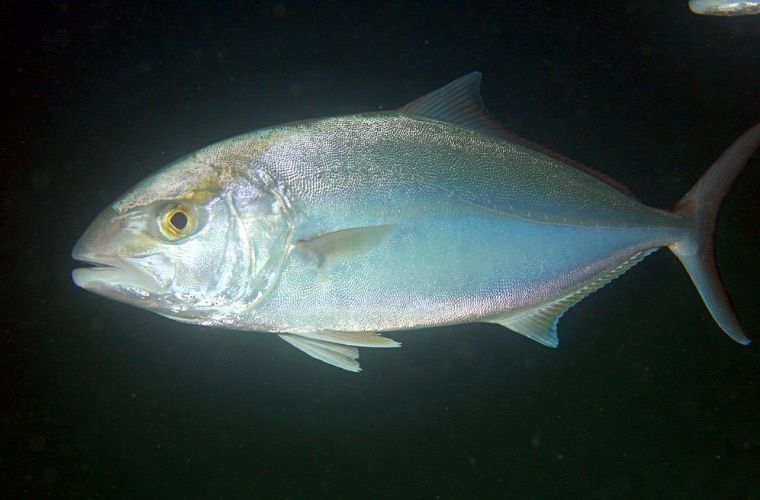
To assess this risk under commercial conditions, the innovation network of APROMAR (Spanish Aquaculture Producers’ Association) commissioned CTAQUA to conduct a targeted study evaluating the presence of geosmin and MIB in RAS-farmed greater amberjack. The work involved Futuna Blue España SL and Alicante Aquaculture SL.
Stated by Myriam Retamero, Head of Business Innovation and Development at CTAQUA, “We analysed portion-size fish (1-1.5kg) and larger specimens over (15kg) from Futuna Blue, and in none of the samples was geosmin or 2-methylisoborneol detected.”
This confirmation is strategically significant. It demonstrated that, under appropriate management conditions, RAS production of greater amberjack can deliver a product free from the compounds responsible for undesirable taste and odour, removing one of the principal commercial uncertainties associated with this technology.
The study also examined post-harvest processing practices to determine the optimal approach for preserving organoleptic quality. “The final quality of the fish is closely linked to practices such as bleeding and gutting. Bleeding improves muscle colour, reduces microbial load and delays oxidative processes, while gutting minimises cross-contamination from the digestive tract and enhances microbiological stability during storage,” Retamero explained.
Three product presentations were assessed: whole fish, bled but ungutted fish, and bled and gutted fish. Following processing, samples underwent shelf-life evaluation through sensory and microbiological analyses. Results indicated a shelf life of between 14 and 17 days — a competitive figure compared with other high-value aquaculture species.
“Among the options analysed, the bled and gutted product offered the greatest advantages in terms of stability and overall quality,” she added.
Beyond the individual case, the study provides commercially relevant validation for companies introducing new marine species to the European market. Demonstrating the absence of off-flavours and optimising post-harvest handling reduces reputational risk and strengthens value-chain positioning in premium segments.
The project forms part of APROMAR’s 2025 Production and Marketing Plan and is co-financed by the European Maritime, Fisheries and Aquaculture Fund (EMFAF). Its broader sectoral relevance lies in confirming that RAS-based production of greater amberjack can meet stringent sensory quality expectations — a key factor in scaling high-value marine species within Europe’s controlled aquaculture systems.

Latest news
-
-
-
RAS-farmed greater amberjack meets organoleptic quality benchmark
El Puerto de Santa María, Spain, 26 February 2026 |