
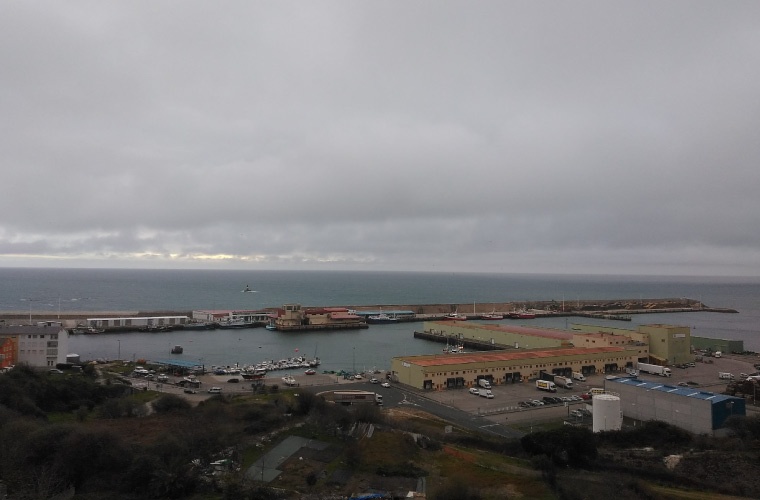
Galicia has taken a first step towards reintroducing Atlantic salmon farming with the start of construction by Seafood Legacy Spain of a land-based facility in the port of Burela. The project is based on recirculating aquaculture systems (RAS) and is expected to reach an annual production of 3,000 tonnes.
The subsidiary of Norway-based Seafood Legacy will occupy more than 25,000 square metres and require an investment exceeding €80 million. According to the projected timeline, construction will continue until early 2028, while the first fish are not expected to reach the market until late 2029, placing commercial returns more than three years after construction begins.
The project benefits from strong public support. The regional government of Galicia participates through its venture capital arm, Sodiga, and the initiative has secured €25 million in funding from the European Maritime, Fisheries and Aquaculture Fund (EMFAF), alongside regional contributions. This is complemented by private investment from both the Norwegian parent company and Spanish business groups linked to the agri-food and fisheries sectors.
Beyond its local impact —with up to 100 jobs expected to be created—, the initiative reflects a growing trend across Europe: the expansion of land-based salmon projects using RAS technology, which enables production closer to markets, reduces water use and improves control over farming conditions.
At the same time, the Burela project highlights both the ambition and potential of this model. The high initial investment and the timelines required to reach commercial production reflect the complexity of deploying advanced systems such as RAS, while key factors such as energy costs will remain central to its development and consolidation in Europe.
In recent years, several RAS salmon developments in Northern Europe have contributed to advancing technical and operational knowledge, particularly during scaling phases, helping to refine expectations and lay the groundwork for their consolidation as a complementary alternative to conventional sea-based aquaculture.
Against this backdrop, the Burela facility positions itself as a strategic project to diversify Galicia’s aquaculture sector and as an opportunity to further drive the evolution of a production model that, supported by innovation and accumulated experience, is steadily gaining ground across Europe.

Latest news
-
Seafood Legacy Spain begins construction in Burela to bring salmon to market by 2029
Burela, Lugo, 17 March 2026 | The project, backed by more than €80 million in investment and public funding, reinforces Europe’s push for land-based salmon production using RAS technology
-
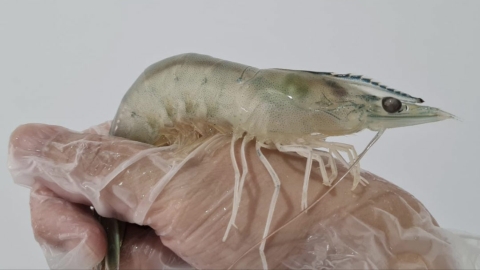
Five strategies proposed to strengthen the resilience of global shrimp aquaculture
United Kingdom, 17 March 2026 |
-
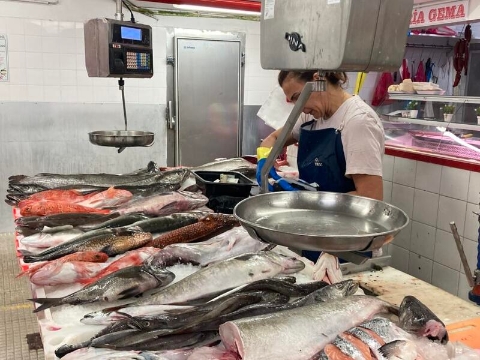
The EU already imports 83% of the seafood it consumes, report warns of a “competitiveness gap” with third countries
Brussels, 16 March 2026 | Rising energy, labour and regulatory costs in the EU contrast with significantly lower operating costs in major exporting countries