
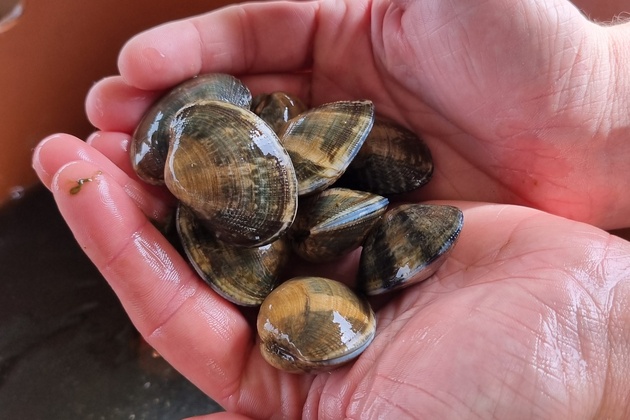
 Manila clams |NOFIMA
Selective breeding has long been a powerful way to improve desiderable traits in farmed animals, and aquaculture is not exception. Now the Manila clam (Ruditapes philippinarum) has joined the list: Nofima and partners have turned a dedicated breeding programme into reality under the BIVALVI Project, launched in 2022 and funded by ERA-NET BlueBio, to tackle key challenges facing bivalves farming in Europe through genetics and improved production practices.
The programme is the result of work led by Nofima in collaboration with the Italian clam producer Naturedulis and the University of Bologna. Naturedulis operates a hatchery in the Goro lagoon (Sacca di Goro, Po Delta) and supplies clam juveniles to other shellfish producers in the region. The company set out to harness the species’ natural potential through selective breeding, aiming to make better use of lagoon nutrients and strengthen local production.
Building on Naturedulis’ operational know-how and Nofima’s genetics expertise, farmers began seeding the first selectively bred clams for faster growth in early 2025. The expectation is that these clams will reach market by Christmas 2025, shortening the production cycle by at least three months, according to Leonardo Aguiari of Naturedulis, who also highlights the project’s importance for both the hatchery and the local economy built around clam farming.
Nofima notes it has developed breeding programmes since the 1960s, working with industry partners across a range of species – from cold-water fish such as salmon and cod to warm-waters species like tilapia. For Anna Sonesson, Nofima researcher and project lead, the Manila clam is the latest example of that long-standing breeding work – one that matters particularly because clams are a low-trophic-level species.
Sonesson argues that while moving “down the food chain” is an important driver of sustainable food opportunities. Scaling up breeding efforts could help the bivalve sector improve production efficiency, health and quality, while reducing mortality.

Latest news
-
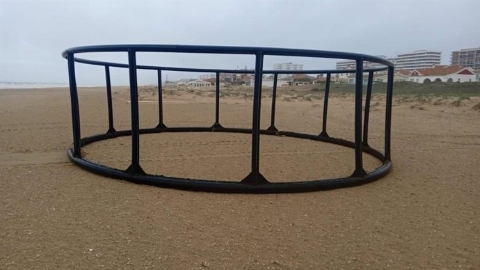
Three offshore fish farming cages from Portugal wash ashore in southern Spain after Storm Kristin
Punta Umbría, Spain, 30 January 2026 |
-
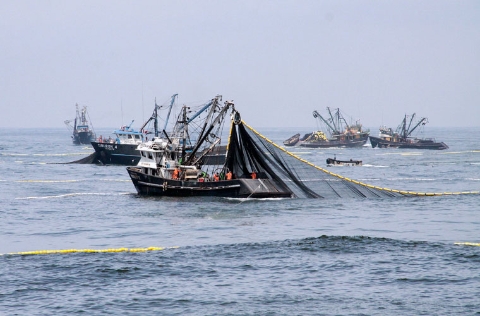
IFFO points to a modest supply improvement, but marine ingredients market remains fragile
London, 30 January 2026 |
-

The BIVALVI project demonstrates management steps that improve shellfish gains
Norway, 29 January 2026 |