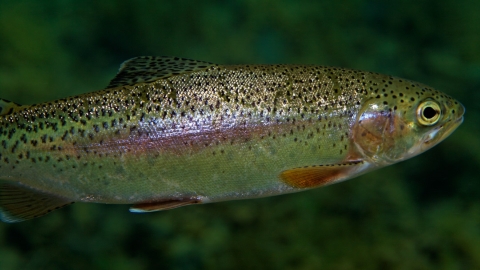
A study published in the Journal of the World Aquaculture Society has identified, for the first time, the sensory detection threshold of geosmin in market-size Atlantic salmon (Salmo salar) produced in land-based aquaculture systems.
Geosmin is a microbial metabolite responsible for the earthy off-flavour that can occasionally affect fish produced in recirculating aquaculture systems (RAS), potentially leading to consumer rejection of the product.
To determine the concentration at which this compound becomes perceptible, researchers from the Freshwater Institute (The Conservation Fund) and The Ohio State University conducted a sensory panel involving 85 regular salmon consumers.
Participants evaluated fillet samples containing different geosmin concentrations generated through a controlled trial in which fish experienced varying depuration conditions.
The results showed that the overall detection threshold among all participants was 381 ± 153 ng/kg of geosmin in salmon fillets.
However, the study revealed considerable variation in consumer sensitivity. Only 44% of participants were able to consistently detect differences between samples within the tested range, while a small group of highly sensitive consumers (13%) detected geosmin at concentrations close to 181 ng/kg.
According to the authors, these findings have important implications for off-flavour management in land-based aquaculture systems. Currently, compounds such as geosmin and 2-methylisoborneol are removed through a depuration process in clean water that may last several days or even weeks.
This finishing stage requires additional infrastructure, significant water use and may lead to weight loss in fish, increasing operational costs for producers.
The researchers suggest that a more precise understanding of the sensory detection threshold could help optimise depuration periods, reducing water consumption and associated costs while maintaining acceptable product quality.
The study also highlights that consumer sensitivity to off-flavour varies widely, an aspect that producers must consider when establishing quality thresholds to ensure that fish reach the market without detectable earthy flavours.
The authors conclude that further research, including trained sensory panels and consumer acceptability studies, will be necessary to define commercially acceptable geosmin levels with greater precision.
Reference:
Davidson, J., Crouse, C., May, T., Tao, R., & Soldavini, A. M. (2026). Utilizing a consumer taste panel to assess the geosmin sensory detection threshold in market-size Atlantic salmon, Salmo salar, produced in land-based aquaculture systems. Journal of the World Aquaculture Society, 57(2), e70080. https://doi.org/10.1111/jwas.70080

Latest news
-
-
-

How the next EU budget could reshape funding for aquaculture
Brussels, 10 March 2026 | Many activities currently financed through the EMFAF could be integrated into broader EU funding instruments and national investment plans managed by Member States