
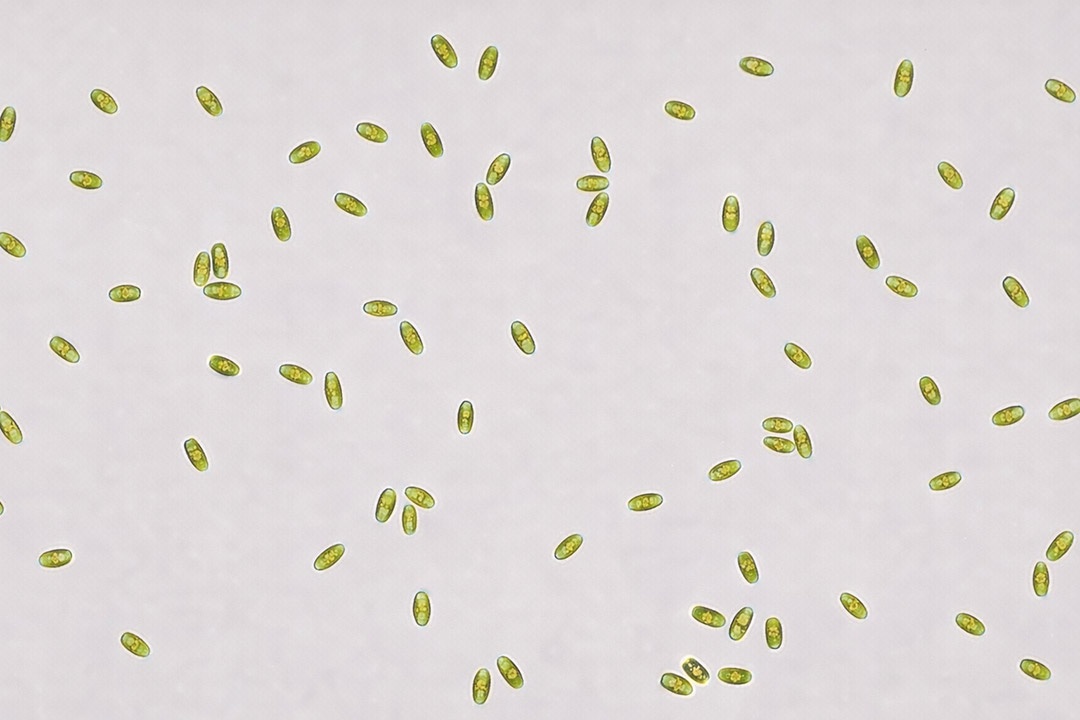
Diatoms are a group of microalgae widely recognised for their high productivity and nutritional value, particularly as sources of essential fatty acids that are transferred through aquatic food webs. Recent research indicates that these nutritional qualities, especially lipid accumulation and the balance between saturated, monounsaturated and polyunsaturated fatty acids, can be adjusted through cultivation conditions by controlling light intensity and temperature.
A study carried out on the freshwater diatom Sellaphora minima shows that both light and temperature play a decisive role not only in growth, but also in the quantity and composition of the lipids it procedures, highlighting its potential applications in aquaculture and biofuels.
In the experiments, cultures of Sellaphora minima were grown under four light intensities, ranging from 1,500 to 6,000 lux, and at three temperatures of 20, 25 and 30ºC. The main fatty acids identified were myristic, palmitic, palmitoleic, oleic, linoleic, arachidonic and eicosapentaenoic acids.
Higher light intensities led to greater cell density, with a minimum recorded at 6,000 lux, but reduced lipid accumulation, which was highest at 1,500 lux. According to the authors, this behaviour reflects a typical microalgal response in which low light availability acts as a stress factor, diverting metabolism from cell division towards lipid storage.
Light intensity also influenced fatty acid profiles. As irradiance increased, saturated fatty acids became more dominant, while monounsaturated and polyunsaturated fatty acids declined. Under low-light conditions, Sellaphora minima produced its highest levels of polyunsaturated fatty acids, including arachidonic acid and eicosapentaenoic acid, both considered essential in aquaculture feeds for fish, shrimp and mollusc larvae.
Temperature showed a similar pattern: lipid accumulation and the degree of fatty acid unsaturation were highest at 20ºC and decreased as temperature increased, while higher temperatures favoured saturated fatty acids.
These results are particularly relevant for aquaculture, as Sellaphora minima produced up to 26% polyunsaturated fatty acids during the exponential growth phase, supporting its potential use as a freshwater feed organism. The fatty acid profile is also of interest for biofuel production, since the high proportions of palmitic and palmitoleic acids observed under high light and temperature conditions are associated with favourable biodiesel properties.
However, the authors emphasise that further research is needed to assess the performance of Sellaphora minima in large-scale outdoor cultivation systems, where environmental conditions vary naturally.

Latest news
-
Study shows how light and temperature shape fatty acid profiles in Sellaphora mínima
India, 19 December 2025 | Controlled light and temperature conditions could optimise diatom lipids for aquaculture and biofuel use
-
Climate change threatens Mediterranean shellfish farming by 2050, study finds
France, 19 December 2025 | Long-term experiments show near-total summer mortality in mussels and reduced growth and reproduction in oysters under projected warming and acidification
-
New model reveals environmental limits of intensive indoor shrimp production
China, 18 December 2025 | Tailwater treatment identified as the most effective option to increase production while meeting discharge standards