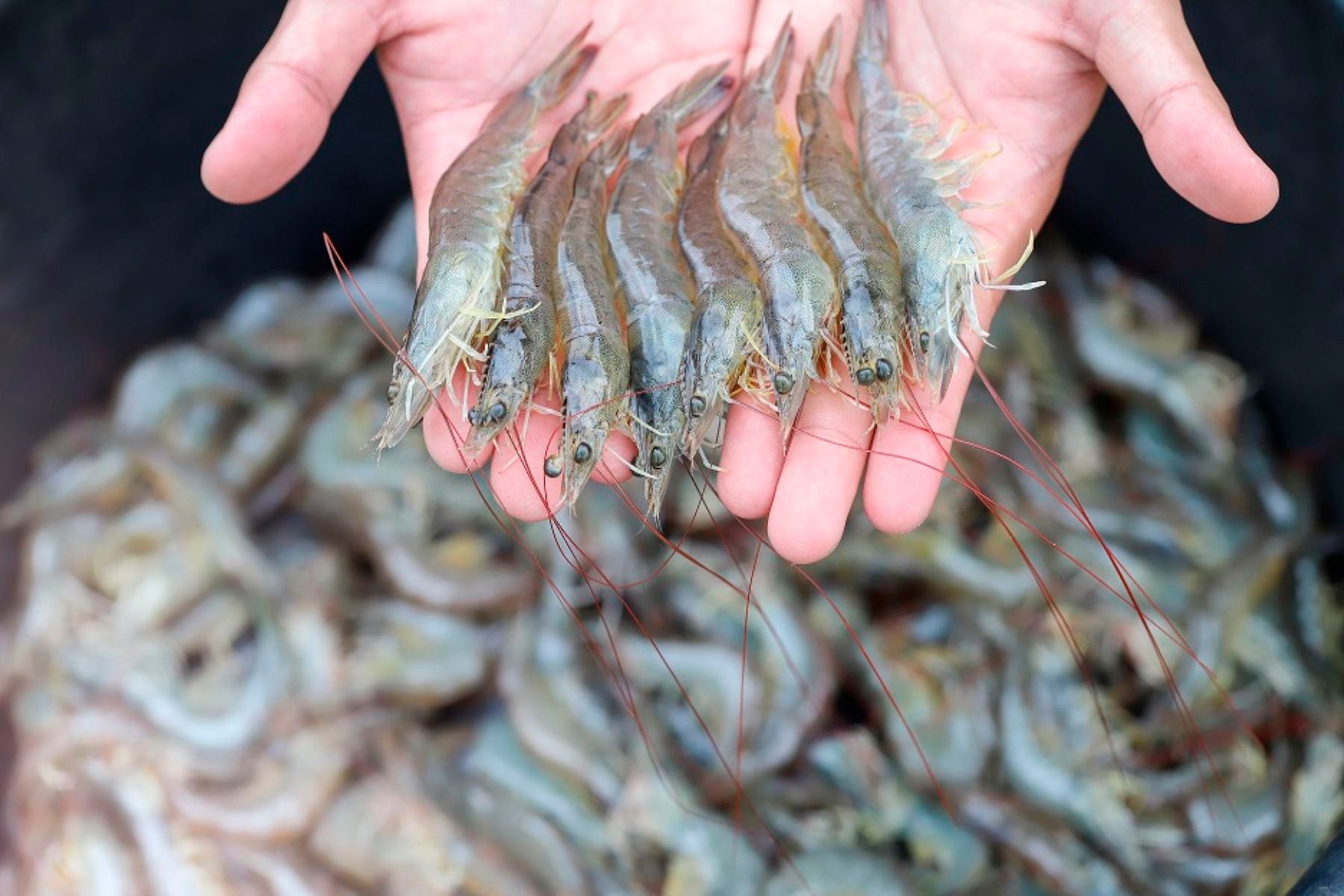
A newly developed artificial intelligence model, built on an advanced deep learning framework known as the Enhanced Recurrent Capsule Network (ERCN), has demonstrated remarkable ability to detect six of the common diseases affecting tropical farmed shrimp-purely by analysing images.
This technically sophisticated system combines two bio-inspired optimization methods: the Harris Hawks Algorithm and the Marine Predator Algorithm. Unlike traditional neural networks, the ERCN architecture can interpret spatial relationships between different parts of the shrimp’s body. For instance, if a lesion appears near to the gill region or if there is discoloration in the abdomen, the system not only detects these animalities but also understands their precise location and orientation.
What truly sets this model apart is its speed and precision. It can diagnose diseases in just 58 milliseconds per image, achieving an impressive accuracy rate of 95.2%, even when working with low-resolution images or subtle symptoms.
The model is designed to be practical: it can be integrated into automated farm system or mobile app to enable rapid, on-site diagnostic.
As published in Scientific Reports, the AI model accurately identifies six major diseases affecting shrimp: Black Gill, White Spot Syndrome Virus, Taura Syndrome Virus, Yellow Head Virus, Infectious Hypodermal and Haematopoietic Necrosis Virus, and Vibriosis.
While the research team acknowledges that the system is more computationally intensive than conventional models, they argue that the exceptional diagnostic performance more than compensates for the added complexity.
Future development will focus on model quantisation, a technique to reduce computational load, enabling deployment on low-power devices such as portable diagnostic units.
With the global shrimp market now valued at over US$68 billion and continuing to grow rapidly, tools like this open the door to a new era of smart diagnostics-faster, more accurate, and well suited to the real-world conditions of aquaculture farms.
Related