The Aquaculture Advisory Council has asked the European Commission to review certain animal health rules applied to aquaculture, arguing that they are creating significant costs without delivering real improvements in disease protection.
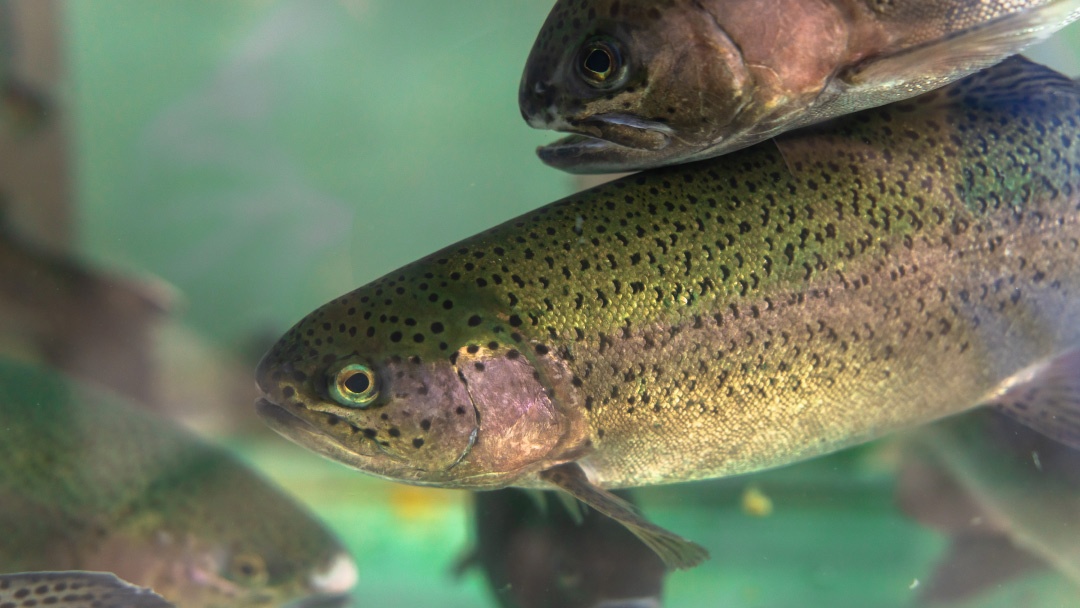
The issue focuses on a virus known as HPR-deleted ISAV. Although it is included in EU legislation, in practice this virus has never caused disease or symptoms in trout farmed in Europe, and no cases have ever been recorded in any EU country. In addition, the EU’s own reference laboratories acknowledge that this virus cannot be detected through routine on-farm inspections, meaning the controls cannot actually identify it.
Despite this, movements of trout within the European Union still routinely require veterinary inspections and health certificates. These checks come at a high cost for producers and authorities, without improving the detection of real disease risks.
EU legislation already provides a way to deal with low-risk situations by allowing exemptions from certification requirements where appropriate. However, according to the Council, this option is rarely used in practice: no Member State has ever applied it, some countries have refused to activate it, and authorities are reluctant to rely on a system that depends on agreement between countries.
The Council illustrates the problem with the example of Denmark, where thousands of inspections and certificates are carried out each year at a cost of around €1.5 million. Most of this spending is linked to a virus that does not cause disease, which the Council sees as a clear example of resources being used without a proportional benefit.
Rather than calling for weaker controls, the Aquaculture Advisory Council is asking for a targeted legal adjustment to bring the rules into line with biological reality, make use of existing traceability systems, and limit exemptions specifically to HPR-deleted ISAV. The broader message is that effective biosecurity depends on proportional, risk-based measures that actually work.
Related