
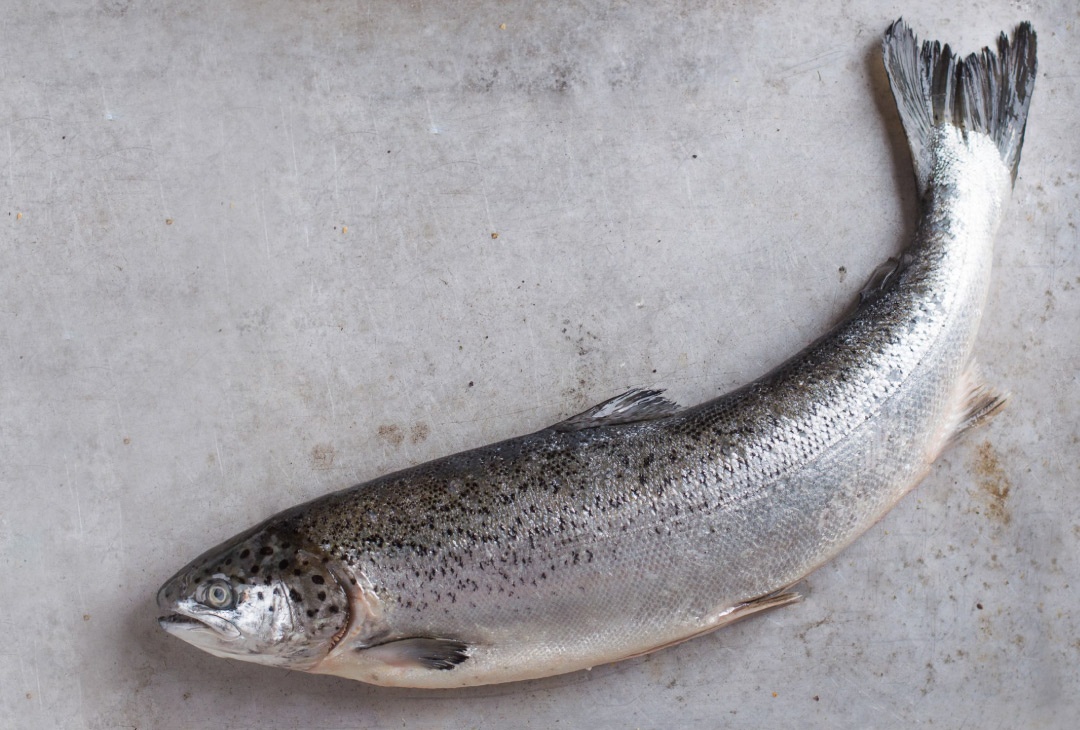
Norwegian researchers, led by scientists linked to the aquaculture feed and farming industry, including Skretting, have presented what could represent a paradigm shift in fish nutrition, specifically in Atlantic salmon (Salmo salar), by challenging the long-held assumption that fish do not synthetise vitamin D and that its presence in tissues derives exclusively from phytoplankton or dietary intake.
The study, which provides field-based scientific evidence, suggests that sunlight-induced cutaneous synthesis may be the primary source of vitamin D in salmon reared in open sea cages.
The discovery, based on data collected from 15 Norwegian farms, revealed striking differences between fish raised indoors and those kept in marine net pens.
Results published in Aquaculture Nutrition showed up to tendfold differences in plasma vitamin D3 levels between indoor-reared fish and those farmed in open sea conditions.
When fish were transferred from indoor hatcheries to sea-based farms, plasma vitamin D3 levels increased markedly within a matter of weeks, confirming a direct environmental effect on vitamin D status.
A longitudinal assessment further demonstrated a clear seasonal pattern: levels declined during winter and increased again in spring and summer, in parallel with changes in day length.
Beyond the metabolic finding, the study raises potentially important production implications. Vitamin D is linked to epithelial barrier integrity and immune regulation.
The authors suggest that lower levels observed in indoor systems or during winter could be associated with increased risk vulnerability during the post-smolt phase and with diseases linked to bacteria such as Tenacibaculum spp.
For salmon reared entirely indoors, the implications may also extend to fillet nutritional quality, which is likely to contain lower vitamin D levels compared to fish farmed in open sea environments.
This raises two possible strategic responses for the sector: adjusting dietary vitamin D levels in low-light systems, or evaluating the controlled use of UV lighting in indoor facilities to maintain vitamin D status comparable to that observed in open sea farming.
Related
EVENTS
-
21AprTue, 21 Apr - Fri, 24 AprGran Via - Fira Barcelona - Barcelona