
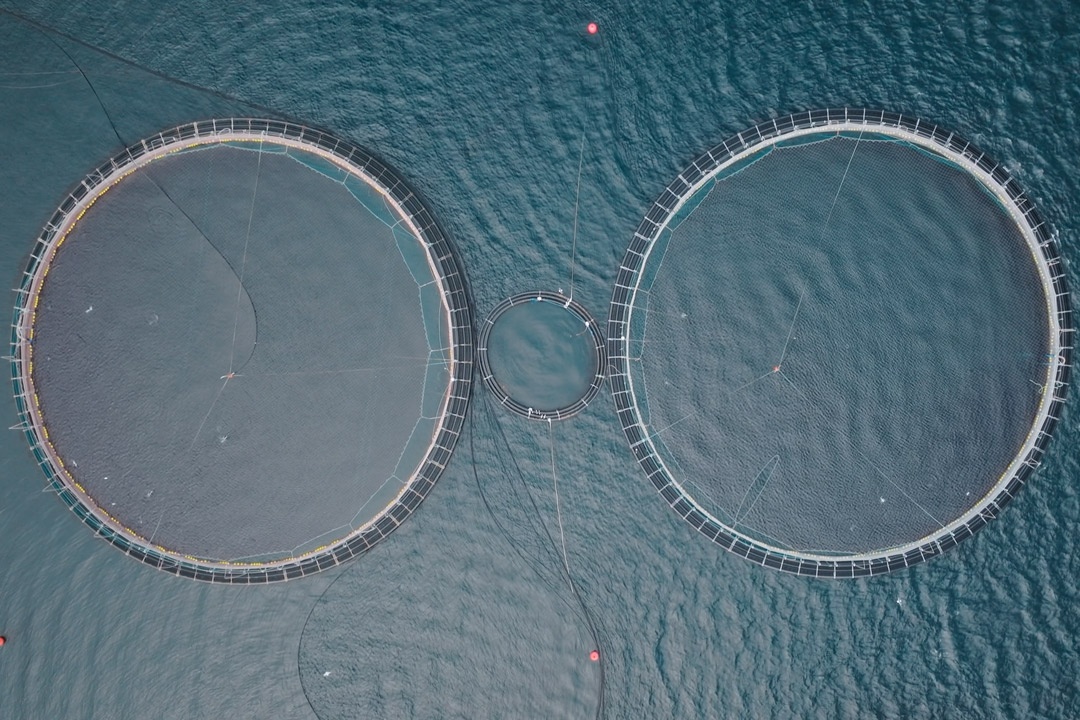
The distance between oyster culture and fish farms is a key factor in the design of integrated multi-trophic aquaculture systems, as it can enhance both production performance and ecosystem services related to nutrient recycling.
A study conducted in the Tyrrhenian Sea suggests that the spatial configuration of IMTA can significantly influence the quality of the final product.
The research, carried out in the Gulf of Gaeta, Italy, assessed the performance and meat quality of European flat oyster (Ostrea edulis) cultivated at different distances from gilthead seabream (Sparus aurata) cages. Oyster were deployed for 257 days at two locations: one positioned about 20 metres from the fish cages, representing direct exposure to fish-farm waste, and another located around 800 metres away, where nutrients are more diluted and phytoplankton availability is higher.
The results showed that oyster cultivated at the more distant site consistently displayed higher nutritional quality, including greater protein content and improved biochemical composition.
Researchers attribute this difference to the ecological dynamics generated by fish farming activity. While oyster placed close to the cages are exposed directly to particulate waste such as uneaten feed and faeces, those located further away benefit from phytoplankton growth stimulated by dispersed nutrients.
In other words, the benefits of fish-farm effluents appear to peak downstream of the cages, where nutrients have already been transformed into natural food sources for filter-feeding shellfish.
The study also found that oyster quality varied seasonally, with the highest protein and dry matter levels recorded in March, during the pre-spawning phase.
Although the study evaluated only two distances and was conducted in a single Mediterranean site, it provides new evidence that spatial optimisation may become a key factor in designing efficient and sustainable offshore multi-trophic aquaculture systems.
Related


EVENTS
-
21AprTue, 21 Apr - Fri, 24 AprGran Via - Fira Barcelona - Barcelona