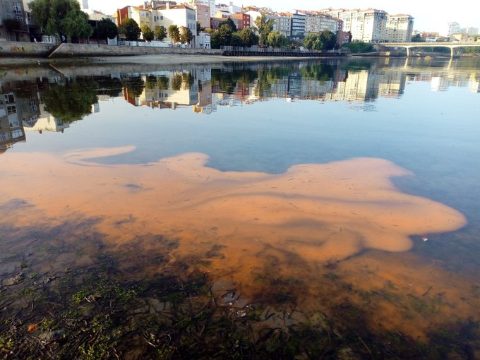
Food safety in European aquaculture takes a decisive technical leap with the publication of the joint FAO/IOC-UNESCO/IAEA guidance. This framework addresses a critical gap in international standards like the Codex Alimentarius, providing a definitive path for the management of Harmful Algal Blooms (HABs).
The fundamental shift in monitoring is the transition to a preventive model. The roadmap mandates the surveillance of microalgae populations in the water column as a key pillar to anticipate contamination before it affects the product. This allows for a more refined risk management: production areas will now rely on fixed sampling points and, in many cases, sentinel species (such as mussels) to trigger earlier warnings for high-value crops like oysters or clams.
Regarding production closures, the impact is double-edged. While early warning prevents toxic products from reaching the market, the guidance establishes a strict recovery protocol: zones may only reopen after two consecutive negative results at least 48 hours apart. Furthermore, the industry is warned of "post-harvest concentration": industrial processes like steaming can double toxin levels due to water loss, meaning product harvested within legal limits could exceed them after processing.
This international standardisation, supported by the IEO-CSIC and experts like Begoña Ben-Gigirey , ensures that seafood trade risks are managed under a robust, common scientific criterion, bolstering the competitiveness of the European sector.

Related
Latest In-depth
-
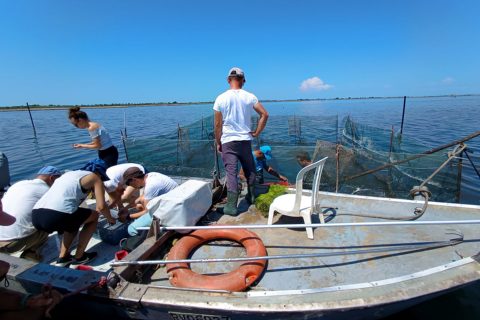
Clams more resistant to heat and Perkinsus: research paves the way for selective breeding
Padua, Italy, 16/10/2026 | University of Padua researchers explain to misPeces the findings presented at Aquaculture Europe 2026 and the steps needed to transfer them to hatcheries. Initial applications could emerge within the next two or three years, although the relationship between resistance, growth and other production traits still need to be assessed