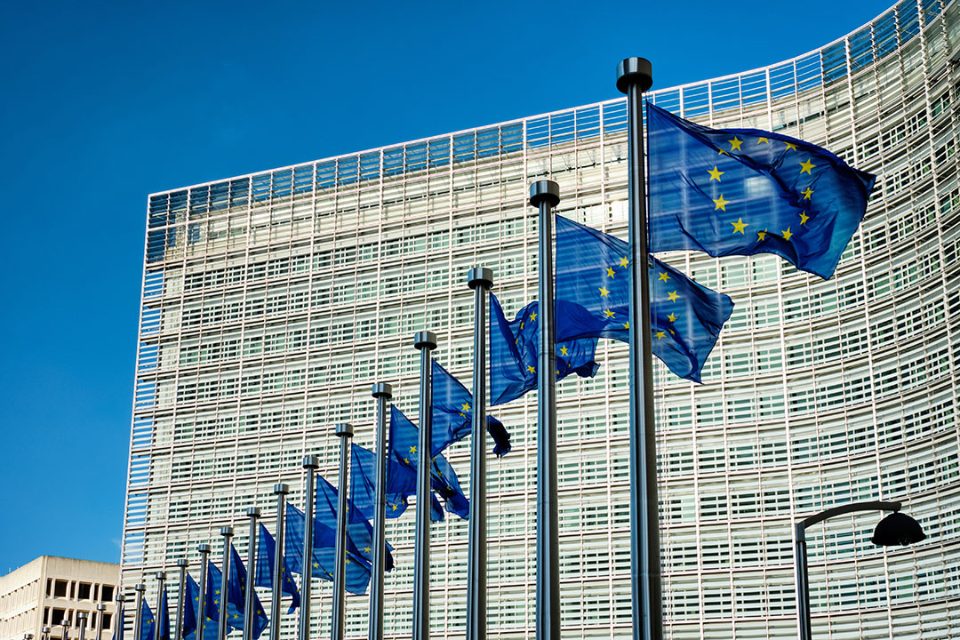
The European Union’s College of Commissioners made it official this Thursday, 16 April, activating Article 26.2 of the European Maritime, Fisheries and Aquaculture Fund (EMFAF). This exceptional measure officially acknowledges a severe market disruption caused by the ongoing instability in the Middle East, paving the way for urgent liquidity injections into production companies.
The most significant aspect for the sector’s financial balance sheets is the retroactive nature of the decision, which will allow farms and breeding centres to claim compensation for economic damage and additional costs incurred since 28 February.
The design of this rescue package, the details of which were previewed by the Deputy Head of Unit at DG MARE, Dovilė Vaigauskaitė, addresses the primary operational emergencies of the aquaculture industry. The direct financial compensations enabled will cover both the loss of income due to falling profitability and additional production costs. This safety net is vital for intensive aquaculture models, where spiralling energy prices strike directly at the heart of their viability by driving up the cost of irreplaceable processes such as continuous pumping, pond aeration, and the operation of Recirculating Aquaculture Systems (RAS).
Alongside direct compensation to producers, the mechanism also offers commercial stabilisation tools through Producer Organisations (POs). The EMFAF activation includes specific aid to cover temporary storage costs, allowing POs to hold back their members' produce during periods of peak demand volatility to prevent market prices from collapsing.
Despite the urgency of the announcement in Brussels, the materialisation of these funds will heavily depend on administrative agility at the national level. The Commission has emphasised that the funding will come from the budgets already allocated to each country within their 2021-2027 EMFAF programmes. Therefore, this is not an automatic European allocation; rather, the exclusive responsibility falls on each Member State to activate the support, define the technical eligibility criteria, and manage direct payments to the aquaculture businesses within their territory.
The financial shielding of the production sector could be completed in the coming weeks. While national governments now take control of deploying the EMFAF budgets, the EU agenda keeps a public consultation open to design a new temporary framework for State aid. This complementary tool, aimed at injecting greater financial flexibility into the sectors most stifled by the current geopolitical climate, is expected to receive final approval before the end of April.

Related

Latest In-depth
-
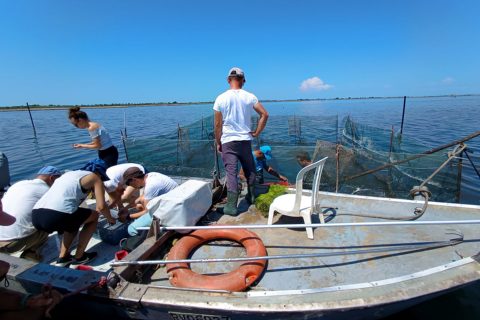
Clams more resistant to heat and Perkinsus: research paves the way for selective breeding
Padua, Italy, 16/10/2026 | University of Padua researchers explain to misPeces the findings presented at Aquaculture Europe 2026 and the steps needed to transfer them to hatcheries. Initial applications could emerge within the next two or three years, although the relationship between resistance, growth and other production traits still need to be assessed