
Europe’s aquaculture sector is warning that the current implementation of the Single-Use Plastics Directive (SUPD) could create regulatory distortions and unnecessary costs if it is not better aligned with the sector’s operational reality.
In its formal response to the European Commission’s consultation, the Federation of European Aquaculture Producers (FEAP) argues that the existing framework fails to clearly distinguish aquaculture from capture fisheries – a gap that could lead to misapplied obligations and inefficiencies across the industry.
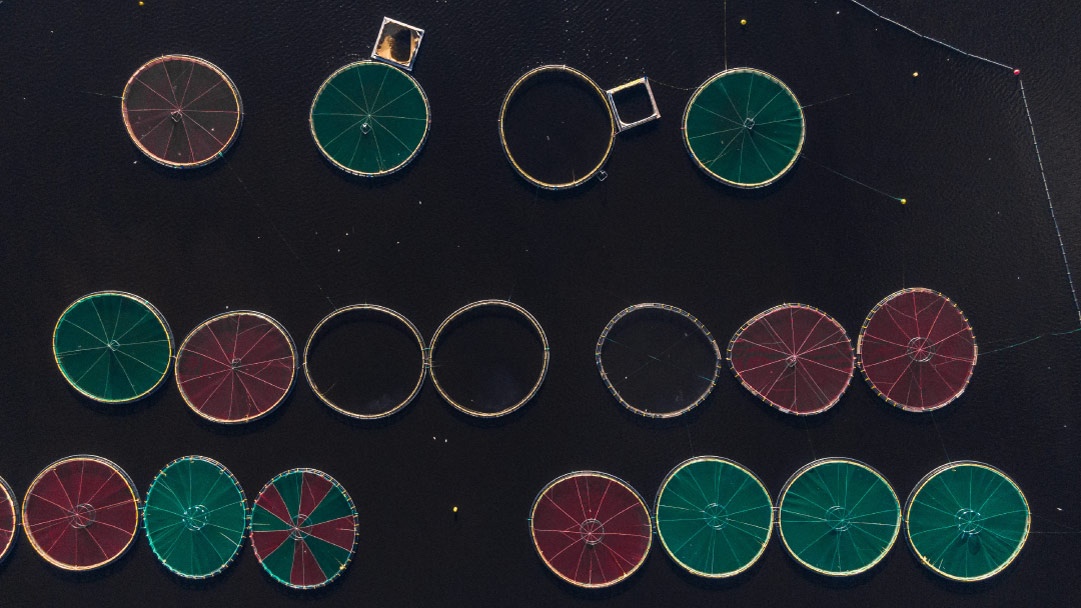
At the centre of the debate is the classification of aquaculture equipment – including nets, cages, buoys and ropes – as “fishing gear”. According to FEAP, this categorisation overlooks fundamental structural differences: while fishing gear is mobile and frequently replaced, aquaculture systems are stationary, long-lasting and managed under controlled conditions.
“We cannot be treated as a subset of the fishing industry,” said Javier Ojeda, Secretary General of FEAP. “Aquaculture equipment is stationary, long-lasting, and managed under completely different operational conditions.”
Beyond a semantic issue, the sector warns of direct regulatory implications. This classification could trigger inappropriate obligations, including the possible extension of extended producer responsibility schemes to fish farmers – despite them being end-users rather than plastic producers. FEAP argues that such an approach would contradict the “polluter pays” principle and disproportionately impact SMEs.
Another key concern relates to the scope of the Directive. The federation stresses that SUPD provisions should apply to marine aquaculture, which directly interacts with the environment targeted by the legislation. Extending these rules to freshwater systems could create legal uncertainty and unintended spillover effects into other sectors.
From an operational standpoint, FEAP also cautions against uniform collection targets. Unlike fishing gear, aquaculture equipment has significantly longer replacement cycles, requiring sector-specific and technically feasible targets. Otherwise, compliance could become unrealistic or even compromise infrastructure integrity.
“The green transition must not come at the cost of operational safety or animal welfare,” Ojeda added. “Alternative materials must offer the same durability and reliability as plastics in harsh marine conditions.”
More broadly, the debate highlights a growing tension between environmental ambition and production realities. Without more precise regulatory design, the sector warns that well-intentioned policies risk undermining both efficiency and sustainability outcomes.
Related
Latest In-depth
-

Spain reshapes its aquaculture: investment, technology and new species in a phase of adjustment
By Alejandro Güelfo, Editor, misPeces | 20 March 2026
EVENTS
-
21AprTue, 21 Apr - Fri, 24 AprGran Via - Fira Barcelona - Barcelona