
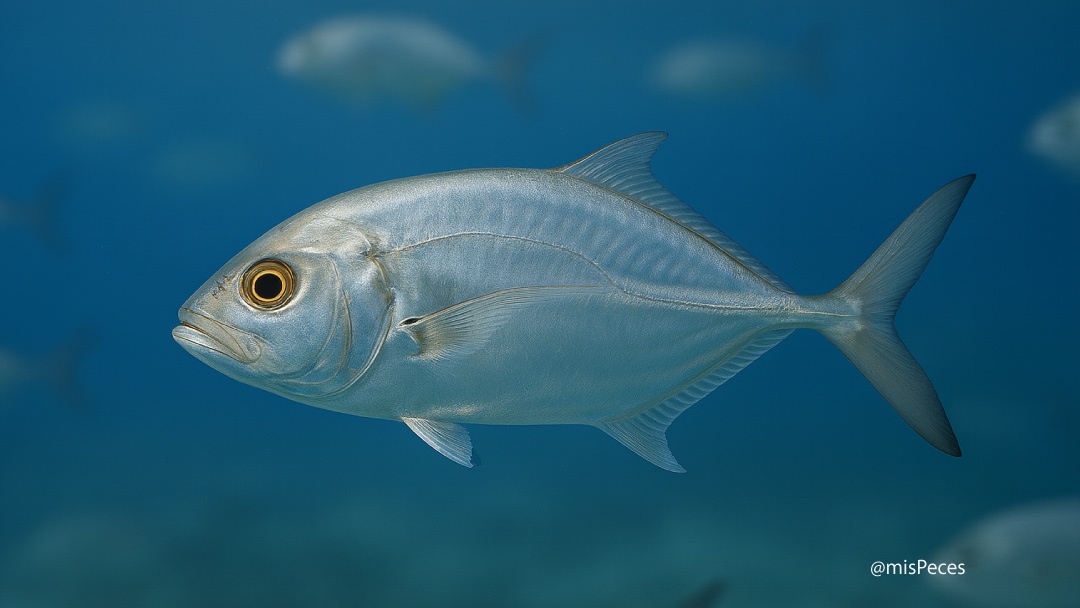
Researchers have produced the first high-quality, chromosome-level genome assemblies for both male and female greater amberjack (Seriola dumerili), a species of high commercial relevance for marine aquaculture due to its rapid growth and the nutritional quality of its flesh.
The study, published in Scientific Data, addresses a long-standing limitation in genomic resources for the species. As the authors note, “the existing availability of genomic data, which is incomplete and discontinuous, limits molecular biology studies on greater amberjack.”
Using a combination of PacBio HiFi long-read sequencing, DNBSEQ short reads and Hi-C data, the researchers assembled genomes of 637 Mb for males and 639.4 Mb for females, both anchored to 24 chromosomes. Genome completeness was assessed using BUSCO, reaching 98.5% in males and 98.71% in females, indicating highly complete assemblies.
The authors report that these assemblies are comparable in quality to the most recent chromosome-level genome available for the species, which was based on a single sex.
One of the main motivations for generating sex-specific genomes is the difficulty of identifying male and female greater amberjack based on external morphology. The species lacks clear secondary sexual characteristics, even during the spawning season, which complicates broodstock management in aquaculture.
In this context, the study highlights that “constructing high-quality genomes of male and female greater amberjack will lay the foundation for elucidating the sex differentiation mechanism of greater amberjack.”
Whole-genome synteny analysis revealed a high degree of structural conservation between male and female genomes, with no evidence of large-scale chromosomal rearrangements or heteromorphic sex chromosomes.
The researchers predicted and functionally annotated 24,112 protein-coding genes in the male genome and 23,571 in the female genome, with nearly 90% of genes assigned functional annotations using public databases such as GO, KEGG, Swiss-Prot and eggNOG.
Repetitive elements accounted for approximately 23% of the genome in both sexes, a proportion consistent with other marine teleost species.
According to the authors, the availability of high-quality, sex-specific genome assemblies provides a valuable foundation for future work in molecular breeding, reproductive biology, species conservation and evolutionary research. The study concludes that the new assemblies “provide valuable information for future molecular breeding, species conservation and evolutionary research of greater amberjack”.
All sequencing data and genome assemblies generated in the study have been deposited in public repositories, including NCBI and the Genome Warehouse, ensuring open access for researchers and the aquaculture sector.
Related

Latest In-depth
-

Bacteriohages in aquaculture: What should we know?
Phage therapy – a natural alternative to antibiotics – is gaining ground in aquaculture