
Fish consumption in the European Union is expected to continue declining over the next few years, according to the latest OECD-FAO Agricultural Outlook 2025-2034. The projections indicate that per-capita consumption in the EU – which in 2025 places the bloc 15th worldwide – will keep falling for at least the next three years. The forecast reinforces the downward trend already observed in 2023 and 2024, when apparent consumption reached its lowest level in a decade due to simultaneous drops in aquaculture production and imports.
This structural decline in consumption comes at a time of profound change within the production landscape. Key mollusc species and other traditional pillars of European aquaculture are expected to remain under pressure. Mussels’ production, for instance, has fallen to its lowest level in ten years in terms of availability for consumption (1.14 kg per capita in 2023), with no signs of rapid recovery in sight as environmental and production constraints persist.
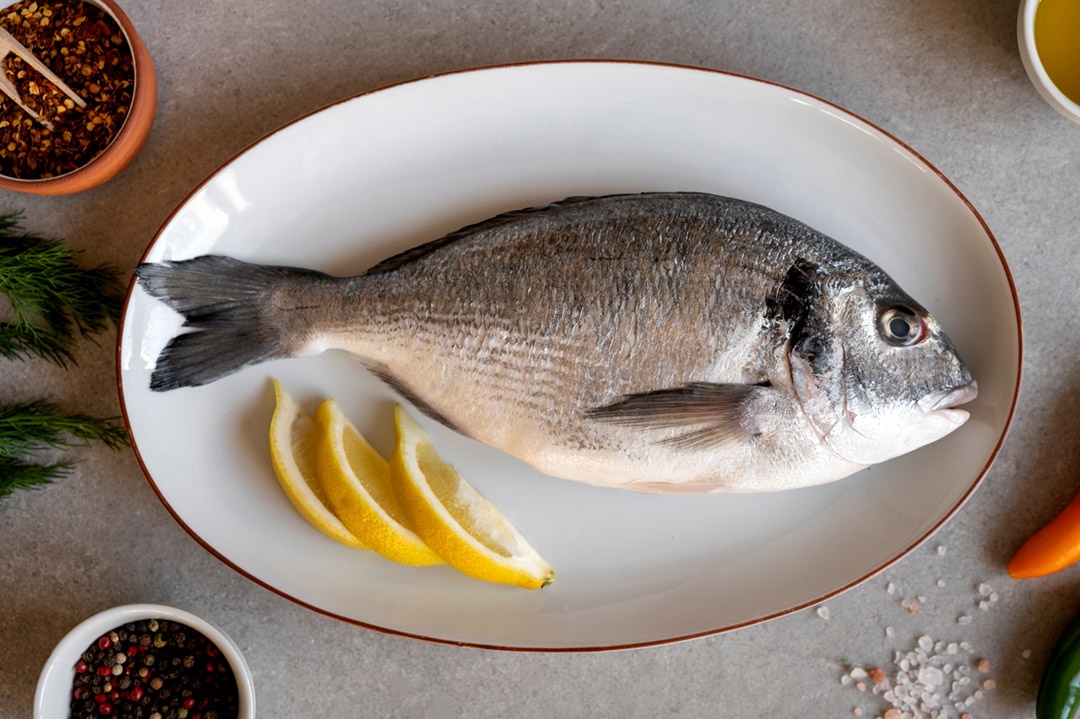
Mediterranean species such as gilthead seabream and European seabass are likely ot enter a phase of stabilisation following recent contractions. In 2023, seabream production fell 2% in volume and 10% in value, driven by lower prices, increased competition from Turkey and higher production costs. Over the coming years, these species are expected to pursue a rebalancing based on price adjustment and improved production efficiency rather than volume expansion.
Salmon, although representing only a modest share of EU aquaculture output, will remain strategically important due to its dominant position in consumption and trade. Its availability, however, is not expected to increase rapidly, constrained by environmental and sanitary challenges in producing countries. Prices are likely to remain stable or edge upwards, particularly as salmon was one of the few seafood products whose prices did not rise in 2024, suggesting the market may be approaching a price ceiling.
At the same time, the species mix within EU aquaculture is continuing to shift towards higher-value products such as trout and farmed bluefin tuna, both of which are gaining share in the sector’s overall value. In contrast, bivalves, carps, and salmon are losing relative weight.
Taken together, these developments point to a market outlook in which demand will continue to contract slightly, especially for fresh products, as households remain sensitive to price fluctuations and maintain evolving consumption habits. Supply, meanwhile, is expected to remain constrained, with future growth driven more by added value and efficiency than by increases in volume.
Related


EVENTS
-
21AprTue, 21 Apr - Fri, 24 AprGran Via - Fira Barcelona - Barcelona