Up to 30-85% of fish biomass ends up as by-products, yet only a fraction is effectively valorised. Science evidence reinforces their potential as a source of high-value compounds, while making it clear that the real bottleneck is not scientific, but industrial.
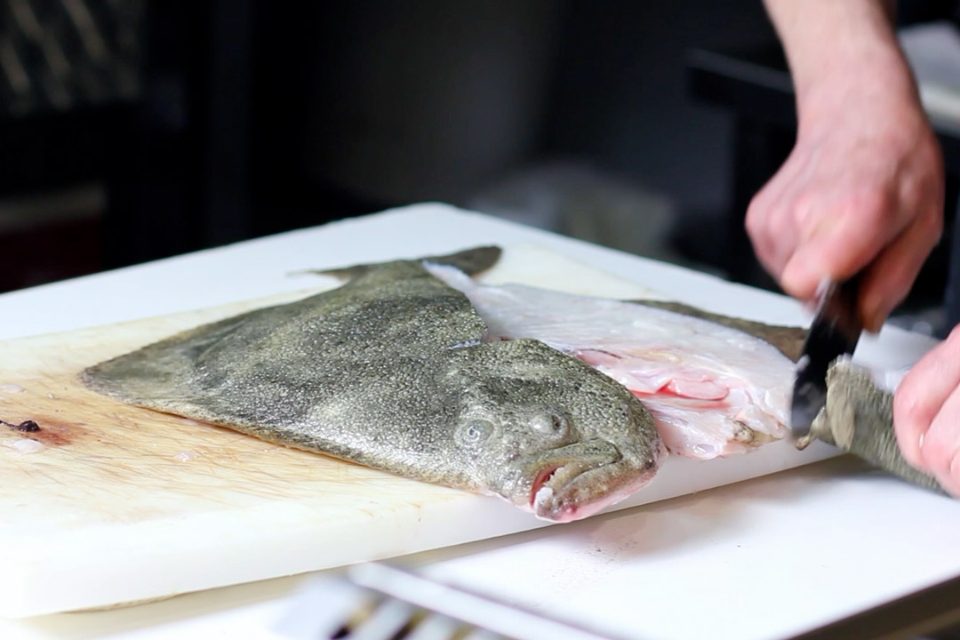
The growth of aquaculture and fisheries has significantly increased the volume of by-products. Today, between 30% and 40% of processed fish weight consist of heads, skins, viscera and bones, and only a limited share is recovered with added value.
This means that by-products are not occasional waste, but a routine part of the production process.
These seafood by-products contain a wide range of high-value compounds that the sector has been aware of for years, even though most of the biomass generated is still directed towards low-value uses such as fishmeal and fish oil.
Among the most relevant compounds are structural proteins such as collagen and gelatine, essential fatty acids such as EPA and DHA, as well as minerals including calcium and hydroxyapatite. These are complemented by biopolymers such as chitin and chitosan, together with vitamins founds in significant concentrations, particularly in roe.
The main sources of these compounds are found in fractions such as skins, bones, scales, shells and roe, reinforcing the idea that value is not confined to a residual part, but distributed throughout the entire processed organism.
The knowledge around the potential of seafood by-products is robust and well established. What is now required is to translate that knowledge into industrial reality and overcome the barriers that still limit its application.
The technological complexity of extraction processes, the high variability of raw materials and the lack of standardisation make integration into efficient production systems challenging. On top of this, costs remain higher than those of traditional uses, limiting competitiveness.
All signs point towards the development of marine biorefineries, the integration of these streams into circular economy models and increasing pressure around traceability and sustainability.
However, this transition will not be automatic. Real valorisation will depend on the sector’s ability to develop scalable industrial models, integrate them effectively into the value chain and, above all, demonstrate economic viability beyond the technical level.

Related

Latest In-depth
-
Clams more resistant to heat and Perkinsus: research paves the way for selective breeding
Padua, Italy, 16/10/2026 | University of Padua researchers explain to misPeces the findings presented at Aquaculture Europe 2026 and the steps needed to transfer them to hatcheries. Initial applications could emerge within the next two or three years, although the relationship between resistance, growth and other production traits still need to be assessed