
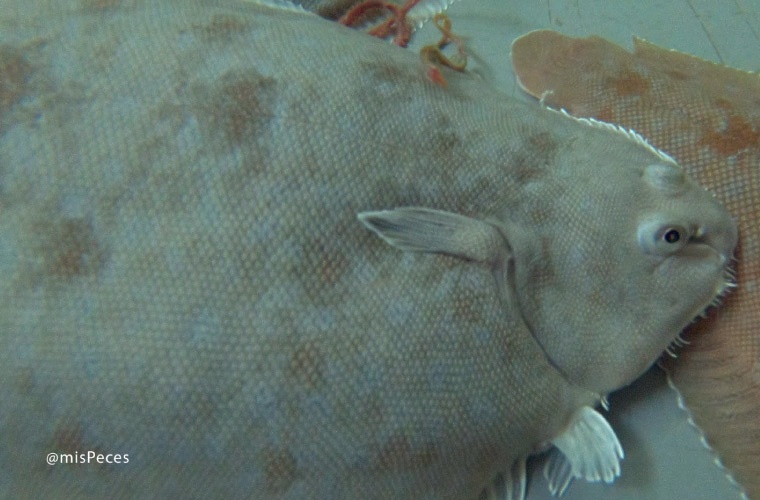
Despite advances in nutrition, husbandry and environmental control, producers of solea (Solea senegalensis) continue to face a structural challenge: achieving reliable reproduction from fish born in captivity. The problem is particularly acute in males, which consistently show poor fertilisation performance and altered reproductive behaviour.
As a result, production remains heavily dependent on wild broodstock, limiting the development of long-term genetic improvement programmes – a key pillar for the industrial consolidation of the species.
Over the years, research has approached this issue from multiple angles, including genetics, reproductive physiology and farming practices. Yet progress has been incremental, and solutions have remained elusive. Only recently has a clearer picture begun to emerge of where the system actually breaks down.
New studies using multi-omics approaches have provided a more integrated view of the problem and highlighted a critical point: the genes are present, but their expression alone is not enough.
Research led by scientists at the University of Cádiz, in Spain, in collaboration with research centres in the UK and France, shows that captive-bred male sole express many of the expected reproductive genes. The failure, however, occurs later – at the crucial stage where genetic information must be translated into effective biological function.
Put simply, the system starts up, but it does not run properly.
By jointly analysing transcriptomic and proteomic – the genetic message and its functional output – researchers have identified a systematic uncoupling between RNA and protein production in key processes such as spermatogenesis, the acrosome reaction, fertilisation and the earliest stages of embryonic development.
In practice, this means that genes are transcribed, but the proteins required to sustain effective reproduction are not produced in sufficient quantity, quality or synchrony.
This finding shifts the focus away from which genes are involved and towards how the cellular machinery operates. Reproduction does not depend solely on activating genetic programmes, but on the correct functioning of the entire system responsible for protein translation, folding and regulation.
Previous studies by the same research group, recently reported by misPeces, had already pointed to epigenetic alterations in captive-bred males, including increased DNA methylation. These changes do not completely silence genes, but can subtly and persistently modulate their activity, affecting downstream process without producing immediately visible defects.
Taken together, the problem reveals multiple layers. Epigenetics helps explain why the system becomes misaligned; proteomics, in the case of these new studies, shows where that misalignment translates into a real loss of biological function.
Future research, therefore, should not focus on identifying more genes, but on answering three uncomfortable questions: when the system breaks down, whether it can be corrected, and which management decisions make it better or worse.
The issue is unlikely to be solved through genetic selection alone, hormonal treatments or isolated adjustment to husbandry practices – a conclusion ready hinted at by decades of research.
Improving sole reproduction will require more systemic approaches: closer attention to environmental conditions during early development stages, a deeper understanding of how farming environments shape long-term physiology, and acceptance that some problems cannot be fixed by “switching genes on”, but only by preventing the system from becoming deregulated in the first place.
Although a solution remains some way off, science at least beginning to clarify the diagnosis. In the case of Senegalese sole, full domestication is likely to depend less on finding the “right gene” and more on learning how to keep the entire biological machinery finely tuned.
How to achieve that remains the key unanswered question.
References:
- Ramírez, D. et al. (2025). Insights into Solea senegalensis reproduction through gonadal tissue methylation analysis and transcriptomic integration. Biomolecules, 15, 54.
- Estudio multi-ómico sobre transcriptómica, proteómica y regulación epigenética en machos F1 de Solea senegalensis (Universidad de Cádiz y colaboradores internacionales), 2026.
Related

Latest In-depth
-
European aquaculture self-sufficiency is not a production problem, but a policy coherence issue
Brussels, 28 January 2026 | Is the EU willing to bear the political and commercial consequences of such coherence?