The global animal nutrition sector is moving into a new phase in sustainability management with the launch of a global Life Cycle Assessment (LCA) standard for feed, a tool designed to harmonise how environmental impact is measured and communicated across the entire value chain.
The development of this standard has been led by GMP+ International, one of Europe’s leading organisations in feed safety and quality certification systems, in collaboration with OVOCOM, a Belgian body specialising in certification schemes and traceability within the feed sector.
The new Feed LCA standard will be officially launched on 6 May 2026 and emerges in a context of increasing regulatory and commercial pressure to provide robust environmental data. To date, one of the main challenges in assessing the environmental footprint of feed has been the lack of comparable methodologies.
Each company has developed its own calculation systems, making it difficult to validate results and creating a fragmented landscape in which sustainability has often been more declarative than measurable.
One of the most significant aspects of the standard is its alignment with the Product Environmental Footprint Category Rules (PEFCR) for feed, the methodological framework promoted by European Union to assess product environmental footprint.
This alignment places Feed LCA in a strategic position, not only as a technical tool but also as a precursor to future regulatory requirements. In practice, its adoption can be seen as a way of anticipating a scenario in which environmental impact measurement shifts from voluntary practice to a requirement embedded in regulation, certification schemes and commercial expectations.
The development of such tools reflects growing pressure across the entire value chain. Demand for comparable environmental metrics from retailers, customers and regulatory frameworks in shifting the focus from feed formulation towards its environmental footprint, forcing manufacturers to structurally integrate sustainability criteria into product design.
However, the real impact of the standard will depend on its level of adoption. Its transformative potential will materialise if it is integrated into certification schemes, adopted by major buyers, or ultimately recognised within European regulatory frameworks. Otherwise, it risks remaining just another voluntary tool within an already crowed sustainability landscape.
In any case, the launch of Feed LCA points to structural shift in the industry. The standardisation of environmental footprint introduces a common language that enables product comparison, data validation and, ultimately, competition based on environmental performance.

Related

Latest In-depth
-
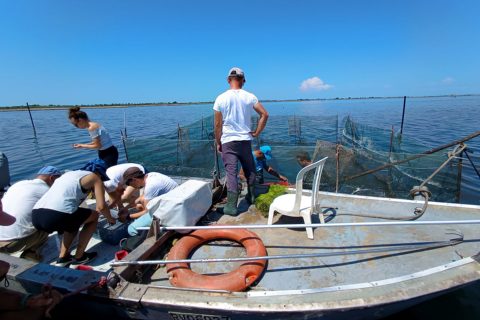
Clams more resistant to heat and Perkinsus: research paves the way for selective breeding
Padua, Italy, 16/10/2026 | University of Padua researchers explain to misPeces the findings presented at Aquaculture Europe 2026 and the steps needed to transfer them to hatcheries. Initial applications could emerge within the next two or three years, although the relationship between resistance, growth and other production traits still need to be assessed