
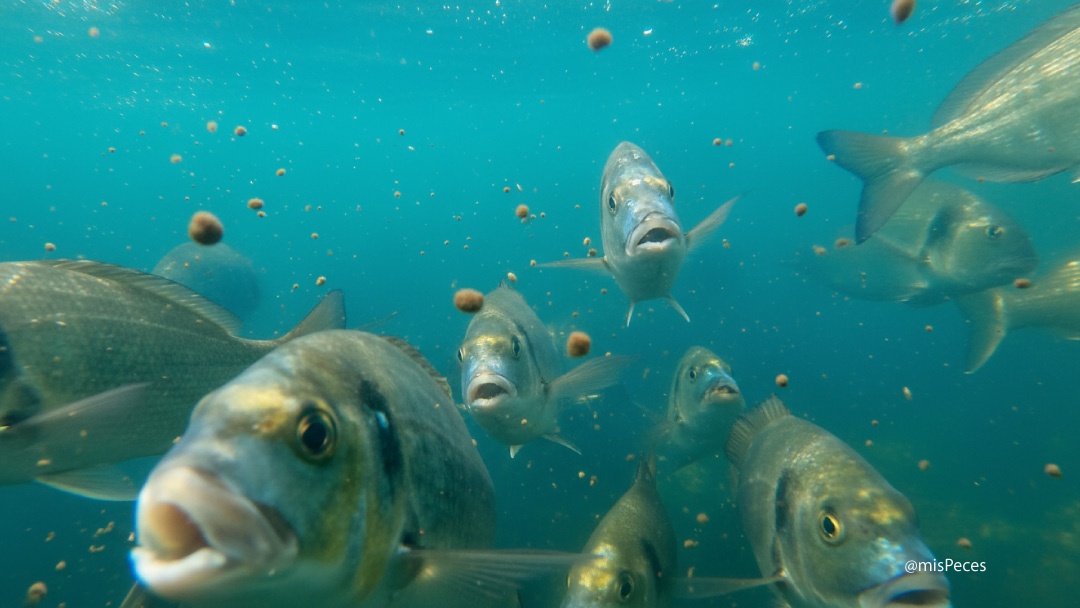
A study by the Institute of Aquaculture Torre de la Sal (IATS-CSIC), in Spain, on gilthead seabream (Sparus aurata) questions the lack of standardisation in microbiome research of farmed fish.
The results, published in the scientific journal Animals, demonstrate that two markedly distinct bacterial communities coexist: the resident ones, adhered to the mucus, and the transient ones, in transit with the digesta. Both form separate communities but can cooperate at a functional level.
The work has direct implications for the development of probiotic in the aquaculture industry. The study shows that some of these bacteria can exert positive effects on the host as part of the transient community, without the need to permanently colonise the intestinal mucus.
Traditionally, in fish microbiome studies, there has been no clear consensus on which community to analyse, often addressing them jointly or under arbitrary criteria. However, the research reveals that the type of bacterial community (autochthonous versus allochthonous) is the main factor shaping the microbiome composition of gilthead seabream, outweighing the effects of the sampled intestinal region or the time elapsed since the last feeding.
Each community showed a clear specialisation in specific and complementary physiological pathways. Resident bacteria are mainly associated with protein metabolism pathways, as well as their digestion and absorption. On the other hand, transient microorganisms mainly contribute to carbohydrate metabolism and the synthesis of bile acids.
Overall, the authors highlight the importance of explicitly choosing and defining which microbial fraction to evaluate according to the functional processes and the biological question of interest, setting a clear methodological guide for future fish microbiome studies.
Reference:
Belenguer, A., Moroni, F., Naya-Català, F., Holhorea, P. G., Domingo-Bretón, R., Calduch-Giner, J. A., & Pérez-Sánchez, J. (2026). Autochthonous and Allochthonous Gut Microbes May Work Together: Functional Insights from Farmed Gilthead Sea Bream (Sparus aurata). Animals, 16, 360 . https://doi.org/10.3390/ani16030360
Related

EVENTS
-
21AprTue, 21 Apr - Fri, 24 AprGran Via - Fira Barcelona - Barcelona