
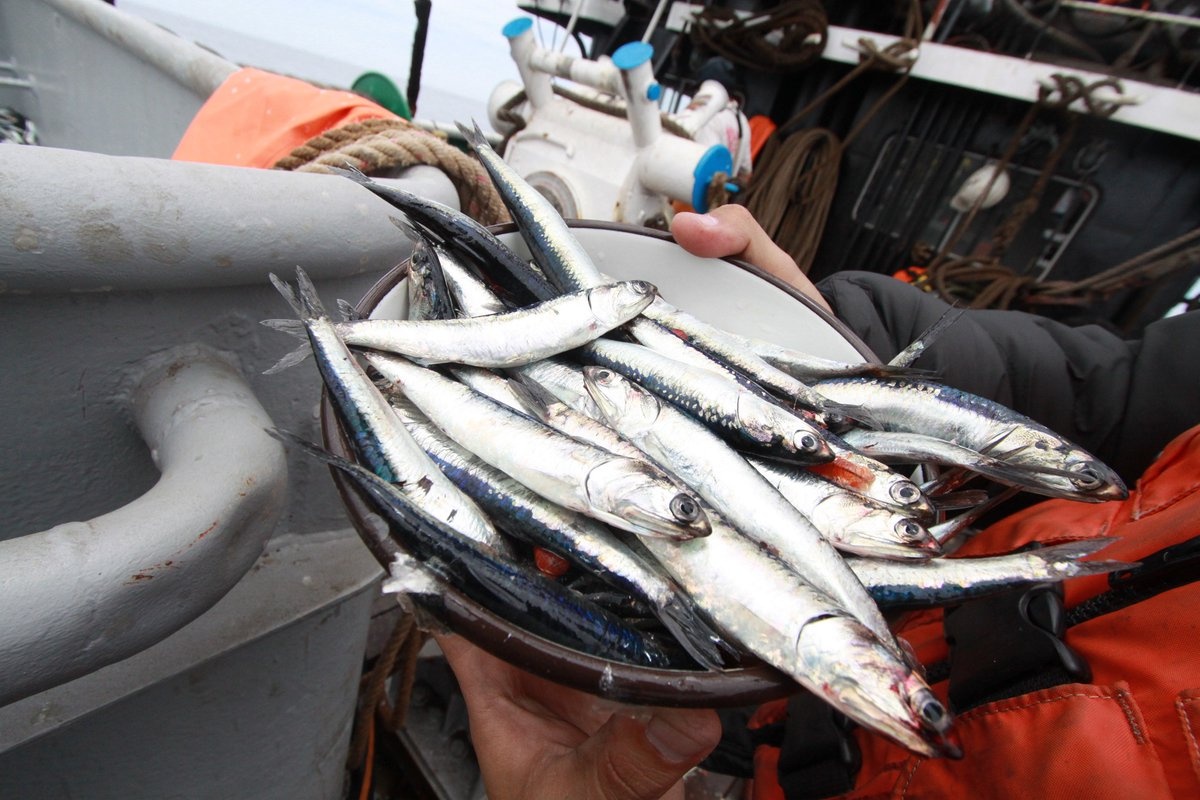
The global marine ingredients market has entered 2026 under renewed pressure, as lower-than-expected production in the first months of the year coincides with resilient demand, particularly from China, according to the latest update from IFFO (The Marine Ingredients Organisation).
Fishmeal and fish oil production declined year-on-year in January across most reporting countries – representing 40% of global fishmeal and 50% fish oil – with the exception of Denmark, Norway and the United States. In Peru, the key global supplier, output also remains below 2025 levels, while the anchovy biomass assessment for the North-Central region is still ongoing. Decisions on quotas and the opening of the new fishing season are expected in the first half of April.
This weak start reinforces the fragility of a market already operating with limited flexibility and heavily dependent on developments in major fisheries, particularly in the Southeast Pacific.
At the same time, demand remains firm, with China once again at the centre of market dynamics. Although fishmeal imports have declined in early 2026, domestic production of marine ingredients remains low, while aquaculture output and feed production continue to grow year-on-year.
Part of this demand is being driven by high levels of farmed fish biomass held over the winter period, supporting feed use and expected to boost fishmeal consumption in the first quarter, especially in southern China.
Meanwhile, a significant increase in fish oil imports – largely for direct human consumption – is adding pressure to a product segment with limited substitution options and greater exposure to volatility.
Overall, the combination of a weak supply start, sustained aquaculture demand and uncertainty surrounding Peru’s upcoming fishing season places the market back into a fragile balance, where any additional disruption could quickly trigger renewed volatility in the months ahead.
Related

Latest In-depth
-

Spain reshapes its aquaculture: investment, technology and new species in a phase of adjustment
By Alejandro Güelfo, Editor, misPeces | 20 March 2026
EVENTS
-
21AprTue, 21 Apr - Fri, 24 AprGran Via - Fira Barcelona - Barcelona