
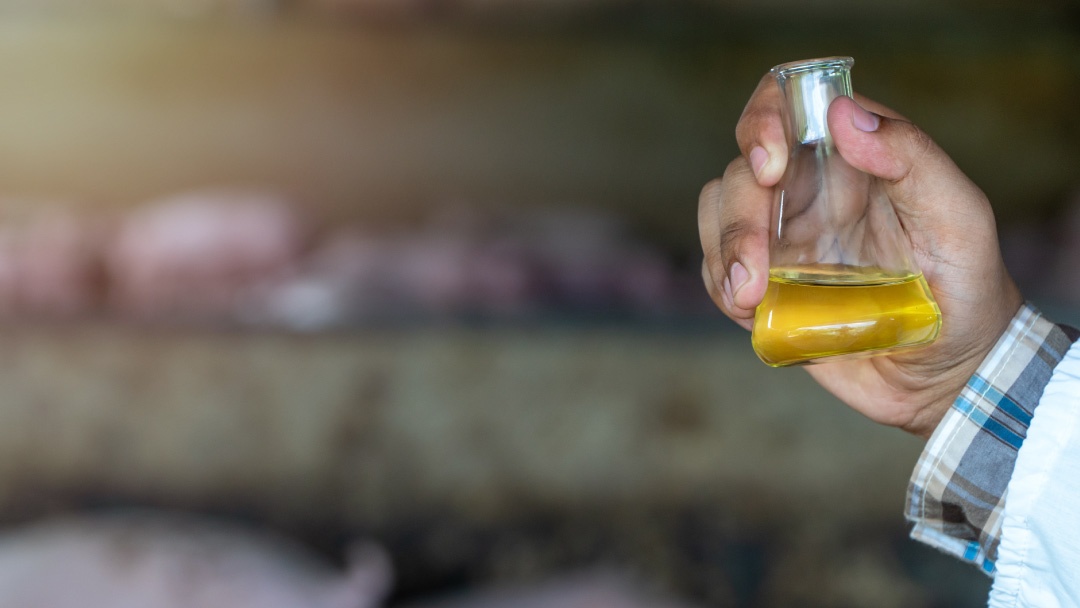
Green extraction technologies are gaining momentum as the fish oil industry for more sustainable ways to produce omega-3-rich ingredients. Methods such as ultrasound, microwave, enzymatic processing, and supercritical fluids promise high oil quality, lower oxidation, and reduced environmental impact compared to conventional systems.
In controlled conditions, they can preserve sensitive compounds like EPA and DHA more effectively and drastically reduce extraction times.
Yet, despite these advantages, replacing traditional extraction methods remains unlikely in the short term. Mechanical processes such as wet pressing and centrifugation continue to dominate industrial production because they are scalable, robust and already integrated into existing infrastructure.
Green technologies, by contrast, face significant barriers, including high capital costs, complex optimisation, and technical challenges when moving from pilot to industrial scale.
The gap between technical performance and industrial feasibility is the central issue. While green methods improve oil quality, they do not eliminate the need for downstream enrichment processes to meet market and regulatory standards. This adds further cost and complexity, limiting their competitiveness in bulk production.
As a result, the industry is not moving toward a full replacement, but rather a hybrid model. Conventional extraction will remain essential for large-scale volumes, while green technologies are likely to expand in high-value segments such as nutraceutical, particularly where sustainability and product quality justify higher costs.
In this context, the future fish oil extraction will depend less on technological breakthroughs alone and more on the ability to scale these innovations efficiently. The challenge is no longer how to extract fish oil, but how to do so at industrial scale without compromising the value of its most important component.

Latest news
-

Europe triggers Article 26.2 of the EMFAF to offset energy costs amid Middle East crisis
Brussels, 16 April 2026 | The measure will allow Member States to compensate additional costs and income losses in fisheries and aquaculture under rising energy volatily
-
Europe adopts global roadmap for marine toxins: key changes in shellfish control
Rome, Italy, 16 April 2026 |
-
Can green technologies replace conventional extraction of fish oil?
Genoa, Italy, 16 April 2026 | Green extraction methods improve oil quality and sustainability, but high costs and scaling challenges keep conventional processes firmly in place