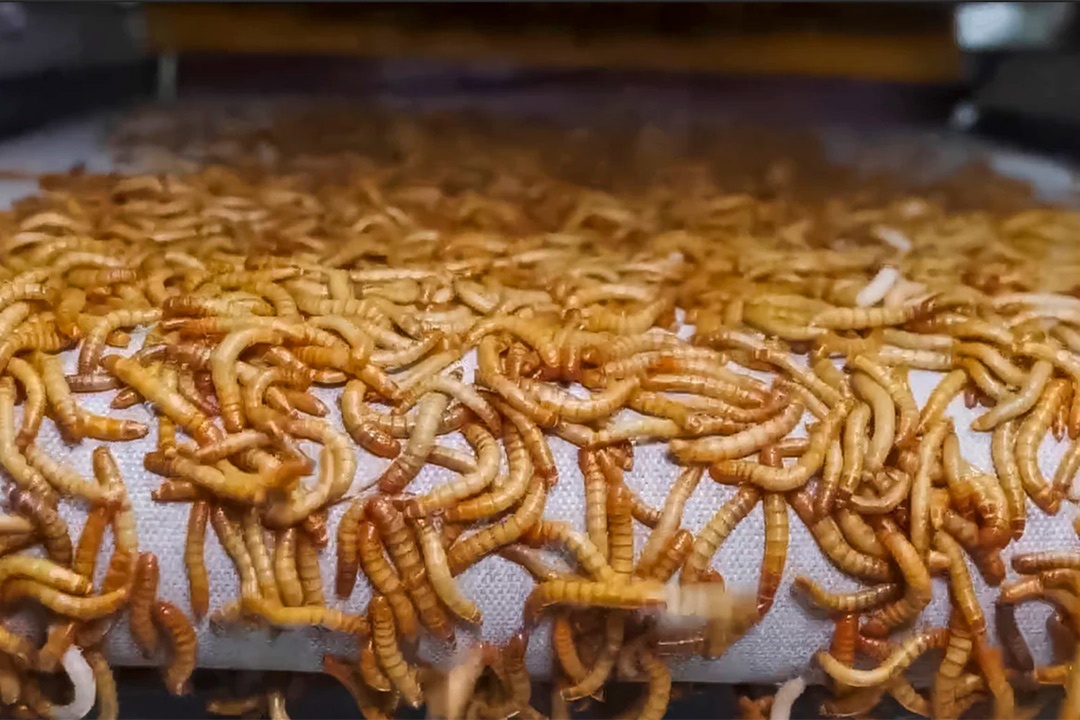
Insect meal has been presented over past decade as one of the most promising alternatives to reduce dependence on fishmeal and some plant-based raw materials in aquafeeds. However, a new report by the Stockholm Environment Institute (SEI) offers a more cautious rearding of its role in the transition towards more sustainable proteins.
The report, titled Rethinking insects as alternative protein, analyses commercial insect production in high-income countries in the northern hemisphere and concludes that the sector “frequently falls short of its theoretical promise” when its environmental impacts, scalability and indirect effects on livestock and aquaculture systems are assessed.
According to the document, the question is not whether insects can be useful, but under what conditions they are genuinely useful.
Life Cycle Assessments show considerable variability. In temperate climates, emissions associated with insect production can range from 3 to 35.5 kg CO₂ equivalent per kilogram of protein, with a median of around 13.5 kg CO₂ equivalent. Although these values are lower than those of beef, the report stresses that, in aquafeeds, the most relevant comparison is not always with meat, but with ingredients such as soybean meal or fishmeal.
A recent assessment cited in the report for UK feed applications estimates that insect meal may have a climate impact of 12.9 to 30.1 kg CO₂ equivalent per kilogram f protein, between 5.7 and 13.5 times higher than soybean meal and between 1.8 and 4.2 times higher than fishmeal in the scenarios analysed.
The energy required for rearing, feeding, processing and drying is another key factor. For this reason, insect meal may make sense as a functional or complementary ingredient, but not necessarily as a large-scale and environmentally superior replacement for fishmeal or soybean meal.
The report also points to the need for further progress on biosecurity, biodiversity and animal welfare. Overall, it argues that the sustainability of insect meal should be assessed on a case-by-case basis, and that the sector will need to demonstrate competitive price, scale, traceability and measurable results at farm level.
About the Stockholm Environmental Institute
The Stockholm Environmental Institute (SEI) is an international non-profit research institute specialising in climate, environment and sustainable development. Headquartered in Stockholm, with centres in different regions of the world, it works to generate knowledge, tools and capacity to support public and private decision-making on sustainability.

Latest news
-
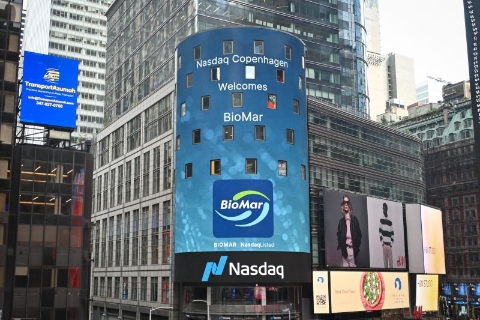
BioMar debuts on the Copenhagen Stock Exchange with Schouw & Co. retaining control
Copenhagen, 28 May 2026 | BioMar Group enters the public market at a time when aquaculture is seeking to scale production, reduce environmental impacts and attract long-term capital
-
Report questions the role of insect meal in aquafeeds
Stockholm, 28 May 2026 | The document published by the Stockholm Environment Institute does not rule out its use in aquaculture, but warns that its environmental benefits depend on very specific conditions that are rarely met at commercial scale in temperate countries
-