
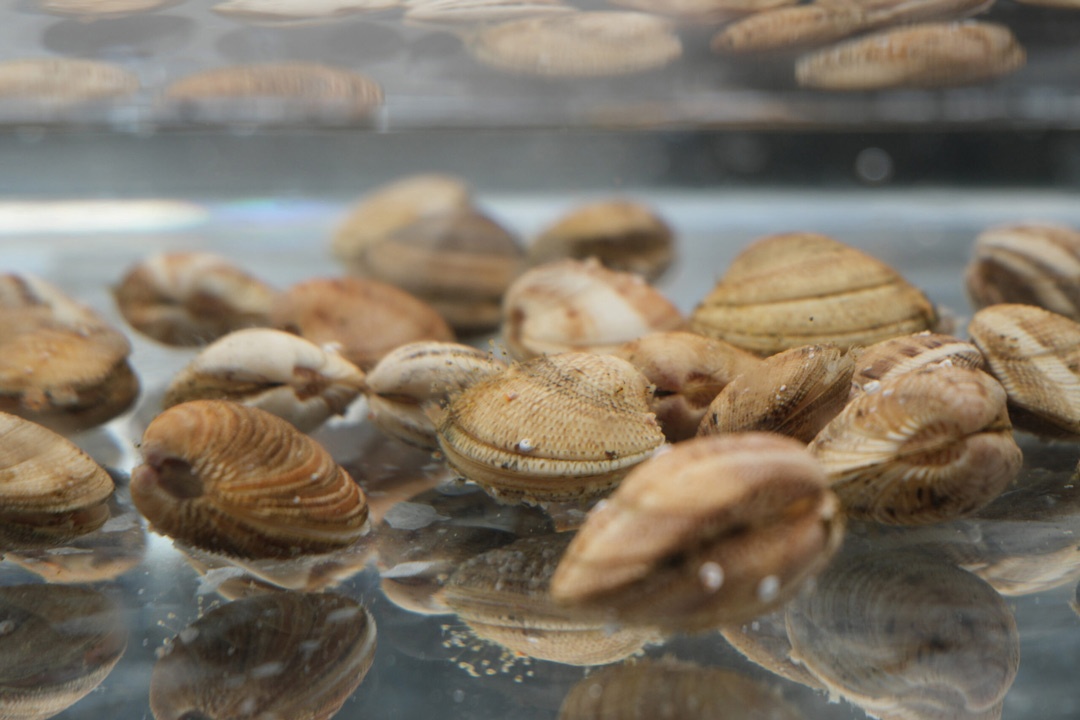
Researchers at the Instituto de Acuicultura Torre de la Sal (IATS-CSIC) in Spain have successfully completed the captive reproductive cycle of the striped venus clam (Clamelea gallina), a breakthrough that could support future restocking programmes in the Mediterranean.
However, the study also warns that rising seawater temperatures may be hindering the species’ natural recovery.
The striped venus clam is one of the Mediterranean’s most important commercial bivalves, yet its populations have sharply declined in recent decades. In much of the Spanish Mediterranean coast, fisheries have remained closed for more than ten years without significant recovery of natural stocks.
Working with the Polytechnic University of Valencia and the University of Padua, the CSIC team induced spawing using microalgae feeding and controlled thermal shocks between 17 and 27ºC. The system produced around 2.5 million eggs and nearly 2 million larvae, achieving a 44% survival rate after 21 days of culture.
The study found that higher temperatures drastically reduced reproductive performance. Broodstock maintained at elevated temperatures showed spontaneous spawning and produced larvae with very low survival rates. In addition, a 29ºC heat shock triggered massive mortality during the post-larval stage.
According to the researchers, marine heatwaves may be interfering with the clam’s reproductive cycle and limiting the recovery of wild Mediterranean populations
The team also analysed the genetic diversity of hatchery-produced offspring. Results showed an 11% reduction in genetic variability and the loss of part of the alleles present in the wild broodstock.
The researchers say that controlling mating schemes and increasing the number of broodstock individuals will be essential to minimise genetic losses in future restocking programmes and improve the species’ ability to cope with ocean warming and disease pressures.
Reference:
Saavedra, C., Omole, E. A., Cordero, D. et al. Culture of the striped venus clam (Chamaelea gallina): effect of temperature on conditioning and spawning, and genetic variability in the progeny. Aquaculture, 744039 (2026). DOI: https://doi.org/10.1016/j.aquaculture.2026.744039

Latest news
-
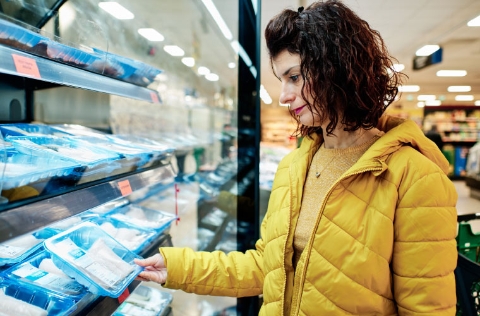
Consumers need context and explanation about aquafeed ingredients
Norway, 7 May 2026 | A study by NOFIMA reveals resistance to ingredients such as chicken or insects in salmon feed
-
Spanish researchers breed striped venus clams in hatchery and warn of marine warming risks
Castellón, Spain, 7 May 2026 |
-
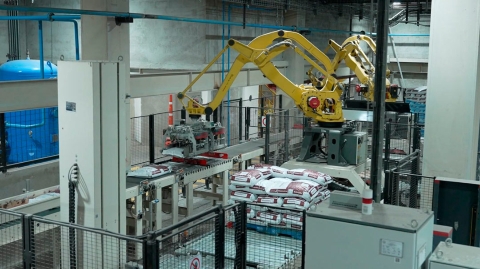
Skretting Ecuador strengthens operational security with $8.4 million energy investment
Guayaquil, Ecuador, 5 May 2026 | The company enhances production reliability and secures feed supply to the shrimp sector amid potential power disruption