
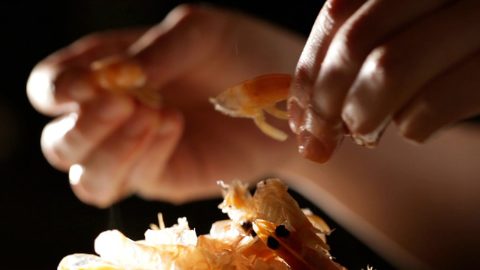
A recent study published in Separation and Purification Technology shows that chitosan – a biopolymer derived from shrimp waste – can treat aquaculture effluents with high efficiency while simultaneously enabling nutrient recovery.
Under optimised conditions, the system achieved reductions of 92.7% in turbidity and 88.2% in total suspended solids, bringing effluent quality within typical regulatory discharge standards.
Unlike convention systems, the process does not generate a waste stream with no value. During coagulation and flocculation, nutrients present in the water – mainly nitrogen, phosphorus and potassium – are captured within the flocs, forming a recoverable solid containing approximately 2.45% nitrogen, 4.23% phosphorous and 0.69% potassium, with heavy metal concentrations below regulatory limits.
This recovered relies on chitosan’s ability to neutralise particle charges and promote aggregation through polymer bridging, forming dense flocs that settle rapidly. Optimal operating conditions were identified at around 18 mg/L of chitosan, neutral pH and approximately 18 minutes of sedimentation, parameters compatible with standard aquaculture operations.
For producers, the interest lies in combining three factors: effective solid removal, potential regulatory compliance, and the generation of a valorisable by-product.
However, commercial adoption will depend on variables such as chitosan cost, integration into existing systems, and performance under real farm conditions.
This approach points towards a shift in intensive aquaculture, where effluent management evolves from a regulatory obligation into an opportunity to recover nutrients and improve overall system efficiency.

Related

Latest In-depth
-
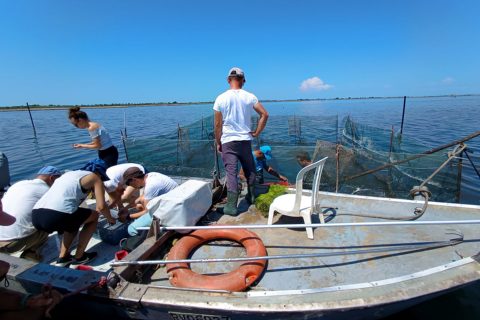
Clams more resistant to heat and Perkinsus: research paves the way for selective breeding
Padua, Italy, 16/10/2026 | University of Padua researchers explain to misPeces the findings presented at Aquaculture Europe 2026 and the steps needed to transfer them to hatcheries. Initial applications could emerge within the next two or three years, although the relationship between resistance, growth and other production traits still need to be assessed