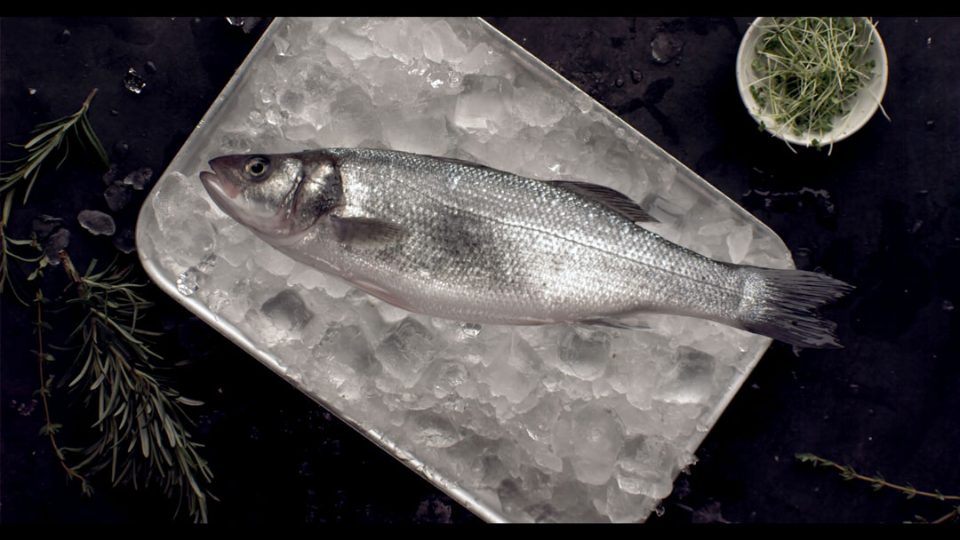
Modern aquaculture is emerging as the most sustainable way to produce animal protein globally. This is confirmed by the World Bank’s report Harnessing the Waters, which identifies farmed fish as the production system with the lowest environmental footprint among all animal proteins, outperforming even chicken and pork.
The report challenges long-standing perception of the sector and concludes that aquaculture has the lowest greenhouse gas (GHG) emissions per kilogram of edible product.
According to the comparative analysis included in the report – based on data from Our World in Data – farmed fish shows lower emission intensity than terrestrial meat, including highly optimised sectors such as poultry.
Beyond carbon metrics, the World Bank highlights that this advantage stems from structural efficiencies. These include superior feed conversion, reduced reliance on land and freshwater resources, and the ability to produce protein in marine environments without directly competing with terrestrial agriculture. In a context of increasing pressure on land use, this positions aquaculture as a strategic solution for global food security.
The report places particular emphasis on low-trophic species and unfed aquaculture systems, such as shellfish and seaweed farming. These systems not only further reduce environmental impact but can also deliver additional ecosystem benefits by acting as carbon sinks, absorbing CO2 and supporting the health of aquatic ecosystems.
At the same time, the World Bank underscores the potential of integrated and multitrophic aquaculture as a nature-based solution. These approaches enable nutrient recycling, lower emissions, and alignment with circular economy principles; while also opening up new revenue streams linked to carbon credits and ecosystem services.
The report also acknowledges that some of the sector’s historical environmental impacts – such as mangrove deforestation linked to shrimp farming in past decades – have been significantly reduced. Improved regulation, technological advancements, and active restoration efforts have helped mitigate these risks, supporting a broader transition towards more sustainable production practices.
In this context, the World Bank concludes that aquaculture is not only the lowest-impact animal protein available today, but also one of the most promising pathways to meet rising global demand for food without compromising the planet’s natural resources. Its future development, however, will depend on maintaining a balance between production growth, technological innovation, and environmental sustainability.
Related
Latest news
-
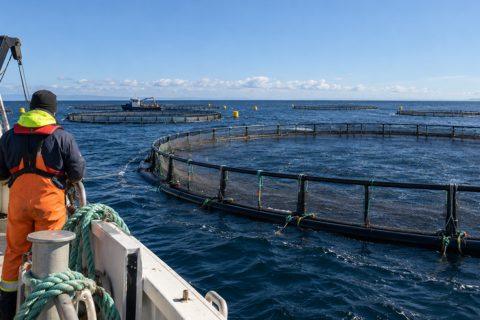
Financial model projects a 19.4% internal rate of return for an offshore European seabass farm off France
France, 23 October 2026 | The hypothetical operation would require nearly $40 million investment and produce 5,220 tonnes a year at full capacity. The projected return depends on assumptions that have yet to be tested at commercial scale
-
FEAP calls for binding fish farming production targets in EU's Vision 2040
Brussels, 22/10/2026 | European fish farmers welcome the Commission's plans to simplify aquaculture licensing but call for measurable growth targets, national commitments and a regulatory framework that supports investment
-
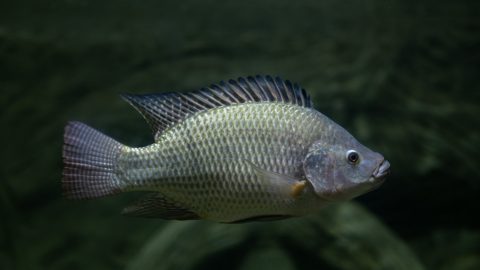
A rapid test for tilapia lake virus moves closer to on-farm diagnosis
Thailand, 22 October 2026 | A lateral flow test correctly identifies 60 out of 61 tilapia samples, offering a potential tool for preliminary virus detection, although further validation is needed to establish its ability to identify early-stage infections