
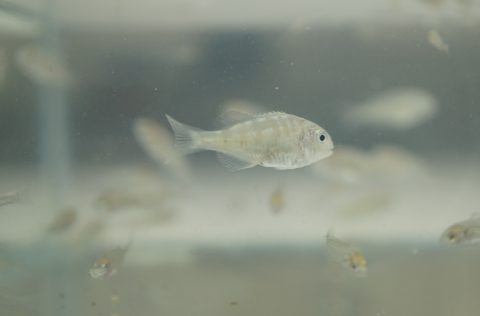
Functional nutrition is increasingly gaining attention as one of the most promising tools for improving physiological robustness and welfare in aquaculture. A new study led by researchers from the Andalusian Institute of Marine Sciences (ICMAN-CSIC), in collaboration with the University of Cadiz, concludes that supplementation with B vitamins can modulate stress response in gilthead seabream (Sparus aurata) and reduce part of the physiological impact associated with intensive farming operations.
The study, published in Comparative Biochemistry and Physiology Part A, analysed how differential nutritional strategies affect the hypothalamic-pituitary-interrenal (HPI) axis, the main stress-regulating system in fish.
Researchers observed that seabream fed diets supplemented with B vitamins showed a more attenuated cortisol response following acute stress challenges, together with a lower hepatic oxidative stress response.
According to the authors, these effects suggest that specific micronutrients could help improve the physiological adaptability of fish exposed to common aquaculture stressors such as grading, transport, handling and environmental fluctuations.
The study also evaluated the effects of genistein, a plant-derived bioactive compound. In this case, fish fed the genistein-enriched diet displayed higher basal cortisol levels and persistent changes in the expression of stress-related genes, even months after dietary supplementation had ended.
One of the most relevant findings of the study is that researchers detected long-lasting effects of the nutritional intervention on molecular mechanisms involved in stress regulation.
Although physiological responses gradually converged over time, some gene expression changes remained detectable month after the dietary treatments were withdraw.
According to the authors, these findings reinforce the growing interest in so-called “nutritional programming” in aquaculture, an approach aimed at using nutrition not only to support growth, but also to modulate resilience, welfare and adaptative capacity.
From an industrial perspective, the study provides new evidence supporting the potential of functional nutrition to improve stress tolerance in high-value farmed species such as Mediterranean gilthead seabream, particularly under intensive production conditions where stressors are an unavoidable part of the farming cycle.
Reference:
Navarro-Guillén, C., Huesa-Cerdán, R., Hidalgo-Pérez, J.A., Martínez-Rodríguez, G., Rodríguez-Viera, L., Martos-Sitcha, J.A., Blanco-Benítez, J.J. & Perera, E. (2026). Diet-associated modulation of HPI axis gene expression and POMC paralogs in gilthead seabream. Comparative Biochemistry and Physiology Part A, 315, 111987. https://doi.org/10.1016/j.cbpa.2026.111987

Related

Latest In-depth
-
Clams more resistant to heat and Perkinsus: research paves the way for selective breeding
Padua, Italy, 16/10/2026 | University of Padua researchers explain to misPeces the findings presented at Aquaculture Europe 2026 and the steps needed to transfer them to hatcheries. Initial applications could emerge within the next two or three years, although the relationship between resistance, growth and other production traits still need to be assessed