
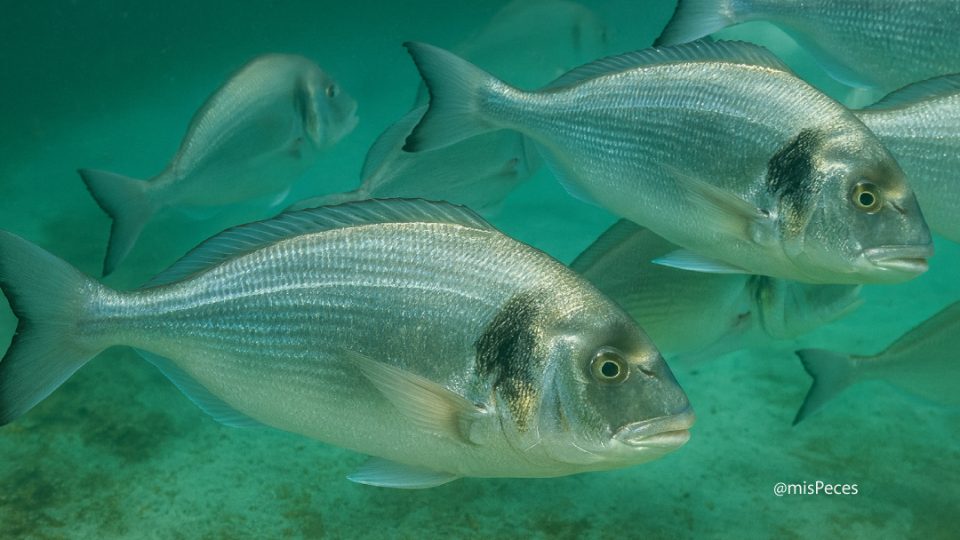
For decades, the aquaculture industry has operated under a purely mechanical set of assumptions: stocking density, dissolved oxygen, and photoperiod. However, strategic research published in Reviews in Aquaculture suggests the sector is facing a profound operational shift.
Environmental enrichment, once the preserve of animal ethics, is consolidating as a primary lever for efficiency, directly impacting Feed Conversion Ratios (FCR) and immunological resilience in intensive systems.
The analysis, led by Orestis Spiliopoulos, from Macquarie University, in Australia, and an international consortium, argues that the monotony of current rearing environments represents, in economic terms, a latent inefficiency.
Chronic stress derived from simplified habitats does more than compromise welfare; it drains metabolic energy that would otherwise be sequestered as biomass. For site managers and technologists, the current challenge lies in transforming these biological stimuli into standardised protocols that compromise neither biosecurity nor Return on Investment (ROI).
Behavioural engineering as a production asset
The technical implementation of enrichment is increasingly categorised into precise intervention vectors. Hydrodynamic optimisation, for instance, utilises controlled flow to induce sustained swimming, which enhances fillet texture and physical conditioning. In salmonid and trout production, this “induced exercise” has proven to be a superior prophylactic tool, reducing vulnerability to infectious outbreaks through improved cardiovascular fitness – a low-cost operational intervention with high-yield dividens.
Furthermore, feed management has evolved towards dietary stratification. In tilapia cultivation, the combination of pellets with varying buoyancy has successfully mitigated intra-specific competition. By distributing resources across the water column, producers have reduced aggressive interactions and achieved more homogeneous harvest sizes, a critical factor for industrial processing and market predictability.
Operational hazards and the limits of scalability
Nevertheless, the sector faces a complex technical reality: the absence of “plug-and-play” solutions. With a portfolio of over 300 farmed species, the extrapolation of successful salmonid models to Mediterranean or tropical species carries significant technological risk.
The introduction of physical structures in Recirculating Aquaculture Systems (RAS), while reducing aggression, can act as a vector for pathogens or impede critical hygiene and disinfection protocols.
The modern production manager must, therefore, apply a rigorous contextual filter. The study cautions that certain interventions, such as intensive photoperiod manipulation, may generate short-term growth spikes as the cost of long-term chronic stress that compromises stock health.
Future competitiveness will not reside in the mass adoption of hardware, but in the integration of applied ethology into the original design of the production system.
Reference:
Spiliopoulos, O., Kadri, S., Sinclair, M., Vanderzwalmen, M., & Brown, C. (2026). Environmental Enrichment in Aquaculture: Linking Welfare Goals to Practical Applications. Reviews in Aquaculture, 18(2), e70142. https://doi.org/10.1111/raq.70142

Related

Latest In-depth
-
Clams more resistant to heat and Perkinsus: research paves the way for selective breeding
Padua, Italy, 16/10/2026 | University of Padua researchers explain to misPeces the findings presented at Aquaculture Europe 2026 and the steps needed to transfer them to hatcheries. Initial applications could emerge within the next two or three years, although the relationship between resistance, growth and other production traits still need to be assessed