
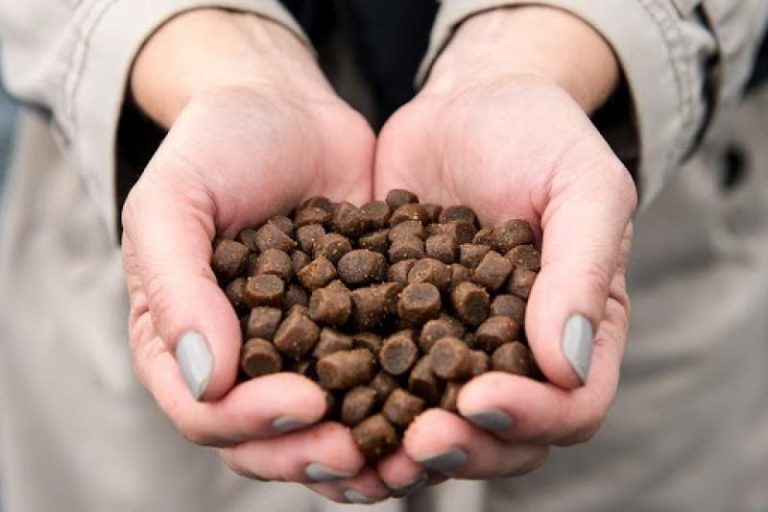
The growth of the aquafeed sector is being stifled by a structural dependency on imported proteins, leaving the European industry vulnerable to geopolitical volatility and global supply chain crises.
This is a key finding from the FEFAC Feed & Food 2025 report, which highlights that 77% of high-protein feed materials used within the region are sourced from outside the EU.
This vulnerability is particularly acute regarding soya bean meal – a vital ingredient for fish development – where imports account for 97% of supply due to limited domestic production.
A primary factor behind this deficit is the 70% decline in the use of processed animal proteins (PAPs) over the last two decades. Although Brussels has reauthorised their use, current stringent regulations require dedicated “single-species” production facilities. These requirements have driven up costs and rendered industrial scalability a distant prospect.
Similarly, alternative sources such as insect meal continue to face low market acceptance and highly restricted supply. On the other hand, whilst local protein crop production has expanded the output of oilseeds has plateaued.
The only tangible relief has come from the use of co-products from the food and bioethanol industries, which now help bridge the gap left by soya.
However, even this progress is hampered by unstable energy policies and prolonged droughts in key regions. In this context, the report suggests that securing a resilient, home-grown larder is now a more pressing challenge than further innovation in nutritional formulations.

Related

Latest In-depth
-
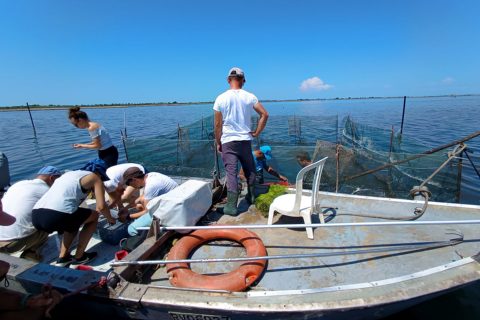
Clams more resistant to heat and Perkinsus: research paves the way for selective breeding
Padua, Italy, 16/10/2026 | University of Padua researchers explain to misPeces the findings presented at Aquaculture Europe 2026 and the steps needed to transfer them to hatcheries. Initial applications could emerge within the next two or three years, although the relationship between resistance, growth and other production traits still need to be assessed