Mariculture Systems Portugal has announced the recent acquisition of the Aquaculture Activity Title (TAA), a definitive milestone which, according to information accessed by misPeces, successfully concludes its complex environmental and operational licensing process.
This fundamental step, which follows previous environmental impact approvals, allows the company to kick-start the construction phase of Coralis, an innovative open-ocean farming platform designed for the large-scale production of premium-quality fish in southern Portugal.
As detailed in the technical documents consulted, the project will be installed off the coast of the Algarve, specifically about 7.5 nautical miles south of the mouth of the Guadiana Rive, in the municipality of Vila Real de Santo António. This strategic location, very close to the limit of territorial waters with Spain, has depths ranging between 65 and 85 metres.
It will be in this high-energy oceanic environment where the company will develop the intensive on-growing of gilthead seabream and European seabass, with the ambitious goal of reaching an annual production capacity of 8,000 tonnes.
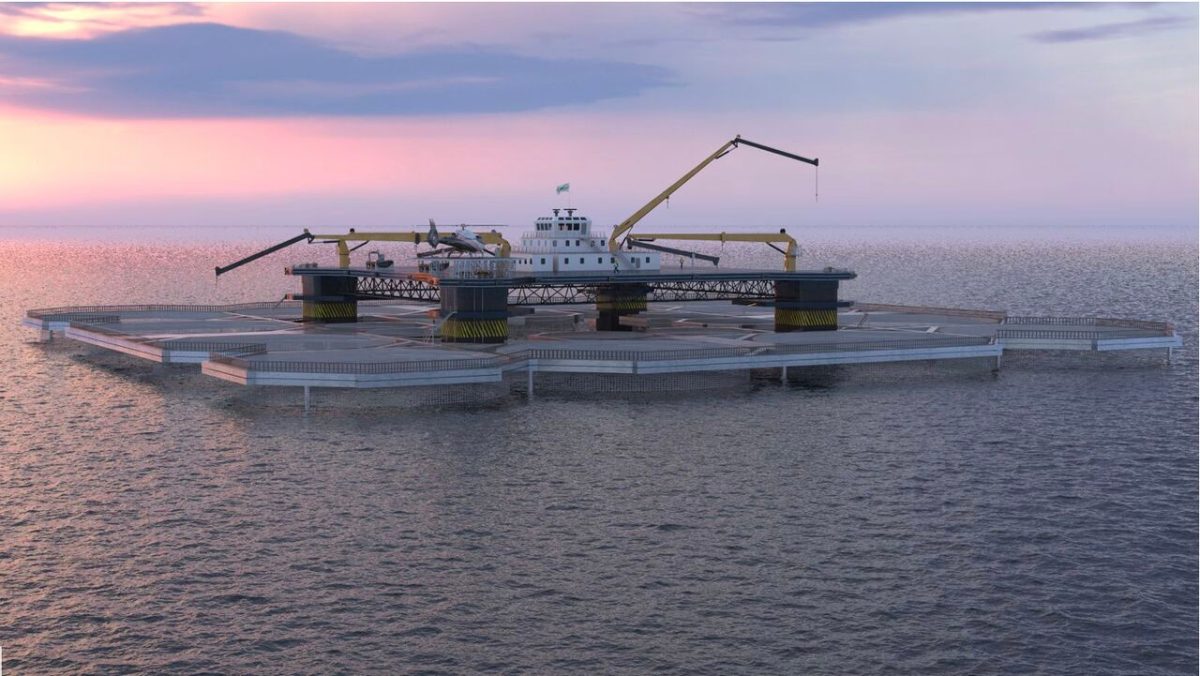
Regarding its engineering specifications, Coralis will consist of a large semi-submersible central platform measuring 50x50 metres. This main structure will be connected to a modern perimeter system of containment pens, covering a total surface are at sea of almost 16,000 square metres.
The design stands out particularly for its capacity to submerge the nets to a greater depth in the event of adverse weather conditions, a key mechanism to protect both the welfare and the fish and the integrity of the infrastructure against Atlantic storms.
This commitment to technological innovation will also be transferred to the operational routine. Feeding will be highly automated through the use of cameras and artificial intelligence, a system that ensures the exact ration is dispensed based on the actual appetite of the fish, drastically minimising feed waste and the consequent impact on the seabed.
The deployment of this infrastructure will also provide a strong economic boost for the cross-border region, with an estimated total investment of 60 million euros. According to the budget breakdown accessed by this editorial team, 55 million will be allocated entirely to the construction of the main platform in the shipyard, whilst the remaining 5 million will be used for the acquisition of support vessels and logistical equipment.
On the employment front, the launch of Coralis anticipates the creation of around thirty direct jobs aimed at guaranteeing the uninterrupted operation of the platform and the service vessel.
Added to this workforce will be several dozens of indirect jobs closely linked to logistics, processing and administration tasks, for which the company plans to utilise the existing infrastructure at the Docapesca facilities in the port of Vila Real de Santo António.
Regarding the execution deadlines, the schedule managed by the company establishes that the construction and assembly of the structure in the shipyards will take approximately 18 months.
If these forecasts are met, the production phase at sea would begin during 2027, reaching its commercial cruising speed in 2028. By then, Mariculture Systems Portugal projects an approximate commercialisation of 150 combined tonnes of seabream and seabass per week, a volume that will contribute decisively to reducing reliance on imports and strengthening food sovereignty across the Iberian Penninsula.

Related
Latest In-depth
-
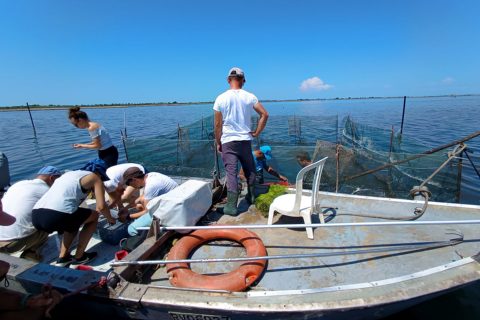
Clams more resistant to heat and Perkinsus: research paves the way for selective breeding
Padua, Italy, 16/10/2026 | University of Padua researchers explain to misPeces the findings presented at Aquaculture Europe 2026 and the steps needed to transfer them to hatcheries. Initial applications could emerge within the next two or three years, although the relationship between resistance, growth and other production traits still need to be assessed