
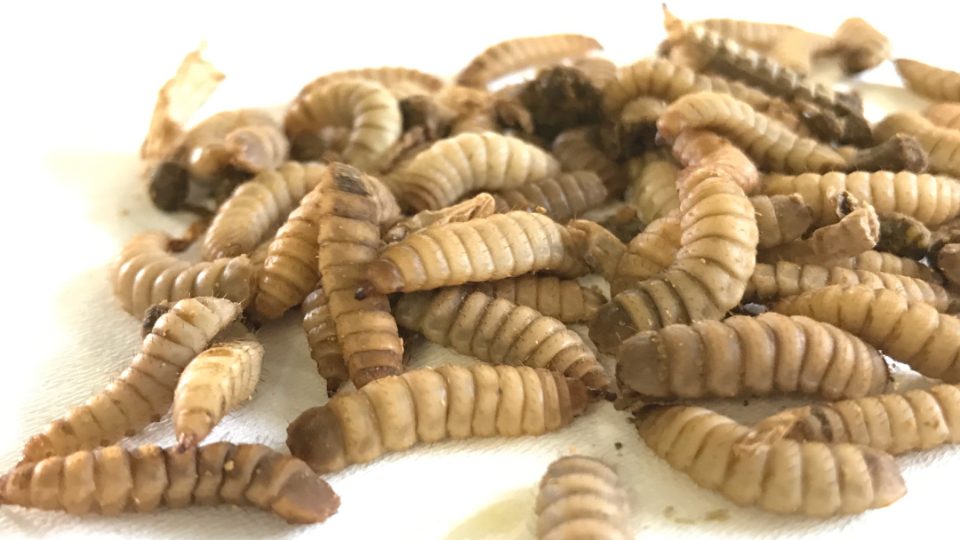
Insect protein is moving closer to industrial validation in aquaculture. A commercial-scale offshore trial conducted at Maricolture Sarde Srl in Sardinia demonstrates that up to 35% of animal protein in gilthead seabream (Sparus aurata) diets can be replaced without affecting growth or survival, following a full 25-week production cycle involving around 60,000 fish under real farming conditions.
These findings position defatted Hermetia illucens meal as a viable alternative to fishmeal at a time when pressure on marine resources continues to intensify.
However, the study – led by Marianna Oteri and colleagues at the University of Messina, Italy – also confirms that the shift in feed ingredients is not neutral at product level. Fillet composition reflects a redistribution of fatty acids, with higher levels of saturated fats and omega-6, alongside a moderate reduction in long-chain omega-3. Even so, combined EPA and DHA levels remain above nutritionally relevant thresholds, preserving the recognised health value of farmed fish.
From a food safety and shelf-life perspective, the results are particularly relevant for industry. No pathogens such as Salmonella, Listeria or Vibrio were detected, and microbiological stability over 21 days of refrigerated storage was comparable to conventional diets. In addition, the nutritional profile shows potentially favourable shifts, including lower sodium and higher zinc levels in the fillet.
However, the study also introduces a note of caution Fish fed insect-based diets showed significantly higher aluminium levels in their fillets. While this does not represent an immediate food safety concern, it highlights the need to better understand the origin of this accumulation, whether linked to insect rearing substrates, feed processing, or environmental exposure.
Beyond confirming technical feasibility, the study reinforces that transitioning towards more sustainable aquafeeds is not only about replacing ingredients, but about maintaining product quality.
Insect protein works under real offshore conditions, but its large-scale adoption will depend on fine-tuning formulations to balance sustainability with nutritional excellence.
Reference:
Oteri, M.; Di Rosa, A.R.; Lo Presti, V.; Toscano, G.; Giarratana, F.; Chiofalo, B. (2026). Partial Fishmeal Replacement with Defatted Hermetia illucens Meal in Offshore-Farmed Gilthead Seabream (Sparus aurata): Effects on Fillet Quality and Microbiological Stability. Fishes, 11(4), 211. https://doi.org/10.3390/fishes11040211

Related

Latest In-depth
-
Clams more resistant to heat and Perkinsus: research paves the way for selective breeding
Padua, Italy, 16/10/2026 | University of Padua researchers explain to misPeces the findings presented at Aquaculture Europe 2026 and the steps needed to transfer them to hatcheries. Initial applications could emerge within the next two or three years, although the relationship between resistance, growth and other production traits still need to be assessed