
The transition towards a more sustainable aquaculture industry has encountered its greatest technical challenge in the replacement of fishmeal with plant proteins, particularly for high-value carnivorous species such as the gilthead seabream (Sparus aurata).
While the industry has made significant strides in feed formulation, scientific evidence is beginning to show that growth stagnation in fish fed these diets is not solely a matter of digestibility or nutritional profile.
Instead, it stems from a complex alteration of the animal’s internal physiological signals.
A recent study reveals that diets with high plant-protein inclusion trigger a phenomenon known as growth hormone (Gh) resistance. This process is characterised by elevated levels of Gh in the blood that fail to stimulate the production of necessary anabolic growth factors in the liver, creating a hormonal “decoupling” that halts optimal juvenile development.
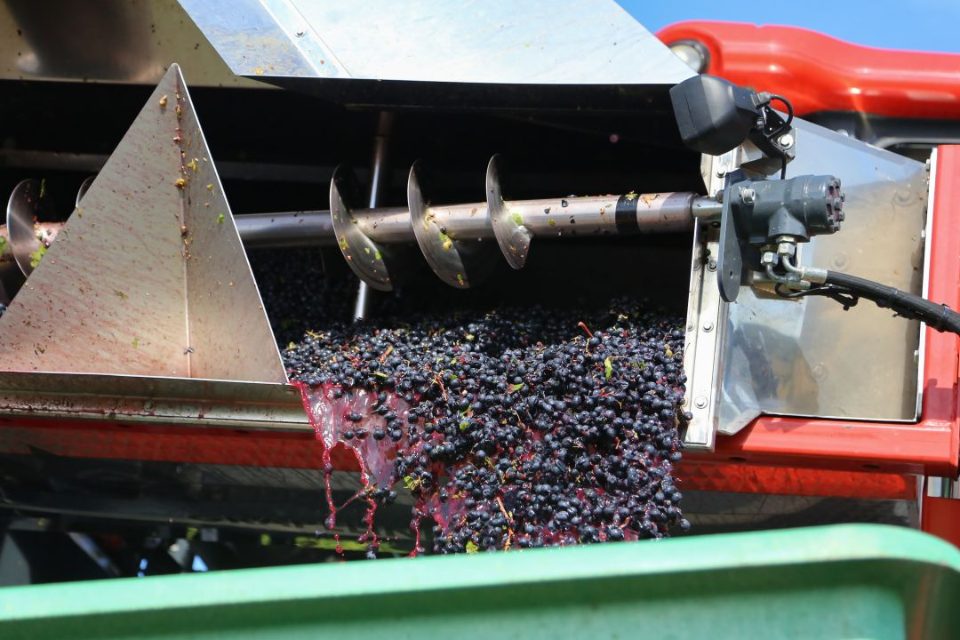
This endocrine disconnection acts as a silent marker of nutritional stress, ultimately hindering the efficiency of aquaculture operations. To combat this imbalance, research has successfully tested an innovative nutraceutical called LB-GreenGrape, which combines hydrolysed microalgae with white Albariño grape marc extract.
Incorporating just 2% of this functional compound into diets where 60% of fishmeal had been replaced with plant protein allowed fish to recover a significant portion of the lost growth performance.
Crucially, this ingredient does not merely provide nutrients; it acts as a modulator capable of normalising the somatotropic axis, increasing circulating lgf1 levels and restoring the hormonal sensitivity required for vigorous growth. Beyond growth, the use of this circular economy-derived complex bolsters the resilience of the seabream through a substantial improvement in intestinal health and defence capacity.
Histological analysis confirmed that supplementation significantly increases goblet cell density in the intestine, strengthening the mucosal barrier against potential pathogens.
Furthermore, this biotechnological strategy helps mitigate the physiological challenges typically associated with plant-based formulations, offering a much more balanced and stable metabolic profile.
From an economic perspective, this biotechnological approach also offers tangible solutions for farm profitability.
Although plant-based formulations currently remain more costly than traditional fishmeal diets, the inclusion of the LB-GreeGrape nutraceutical improves feed efficiency, resulting in an estimated saving of approximately €61 per tonne of fish produced compared to unsupplemented plant-based diets.
This advancement reinforces the viability of a European aquaculture industry moving towards zero waste, integrating wine industry by-products to create feeds that are more efficient, healthier, and environmentally committed.
Reference:
Caderno, A., de las Heras, V., Román-Arias, M., Oliva, M., Román-Padilla, J., Mancera, J. M., Alarcón-López, F. J., Martínez-Rodríguez, G., & Martos-Sitcha, J. A. (2026). Bioprocessed plant protein diets enriched with hydrolyzed microalgae-grape marc extracts improve growth and welfare in Sparus aurata juveniles. Aquaculture, 744020. DOI: https://doi.org/10.1016/j.aquaculture.2026.744020

Related

Latest In-depth
-
Clams more resistant to heat and Perkinsus: research paves the way for selective breeding
Padua, Italy, 16/10/2026 | University of Padua researchers explain to misPeces the findings presented at Aquaculture Europe 2026 and the steps needed to transfer them to hatcheries. Initial applications could emerge within the next two or three years, although the relationship between resistance, growth and other production traits still need to be assessed